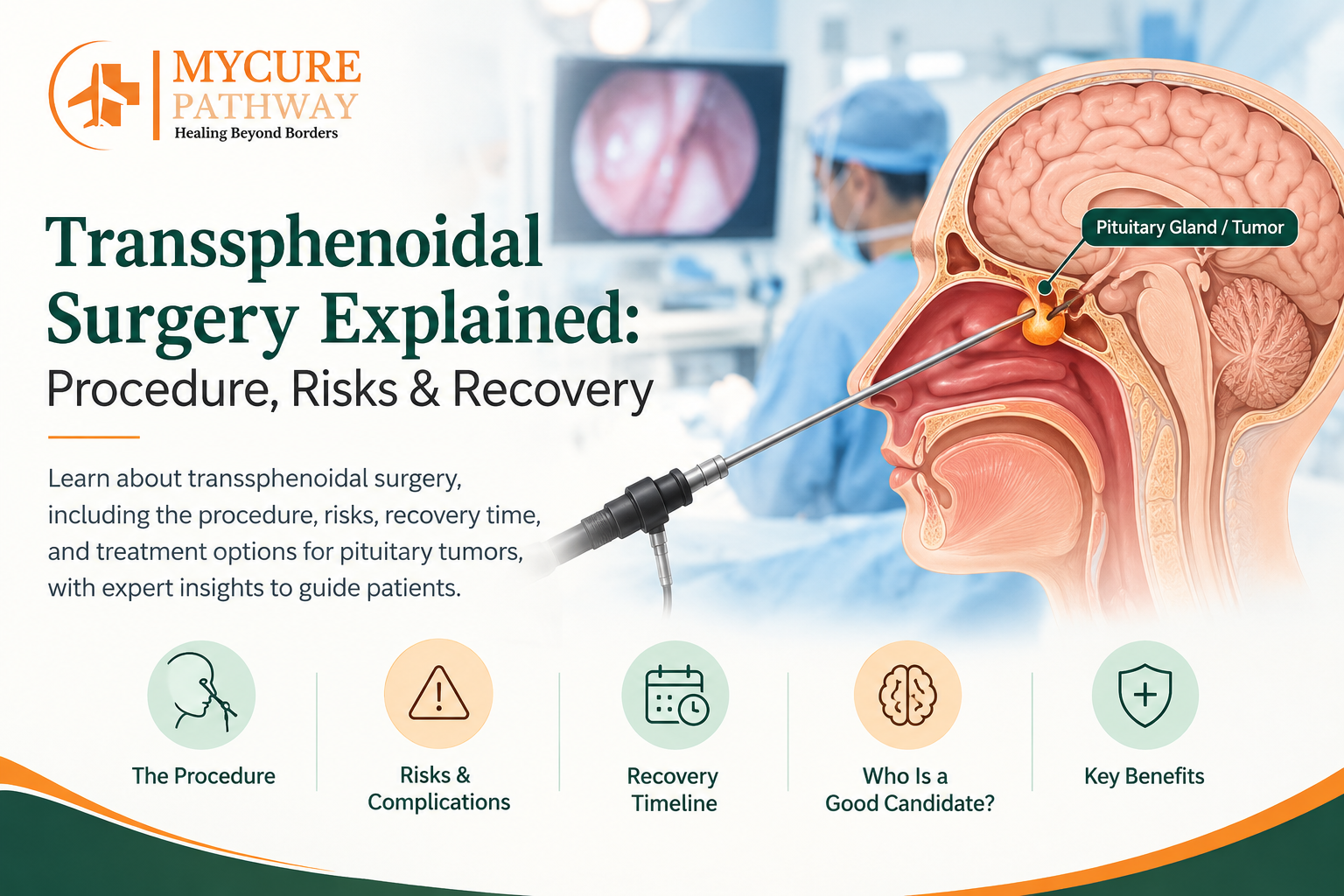
Transsphenoidal surgery is a minimally invasive surgical procedure used to remove pituitary tumours and certain other conditions affecting the pituitary gland. The procedure is generally performed through the nose and sphenoid sinus, allowing surgeons to access the pituitary gland without making an external incision in the skull. Although this approach can reduce surgical trauma compared with traditional open brain surgery, patients still need adequate time, monitoring, and proper postoperative care to recover.
Understanding transsphenoidal surgery recovery is important for patients and their families because healing does not happen overnight. While some patients can return home within a few days, nasal congestion, tiredness, mild headaches, and temporary changes in their sense of smell may continue for several weeks.
Recovery also involves monitoring hormone levels, maintaining proper fluid balance, attending follow-up appointments, and following the neurosurgical team’s activity restrictions.
This guide explains the expected recovery process week by week, including hospital stay, nasal healing, activity restrictions, post-operative care, and signs that require immediate medical attention.
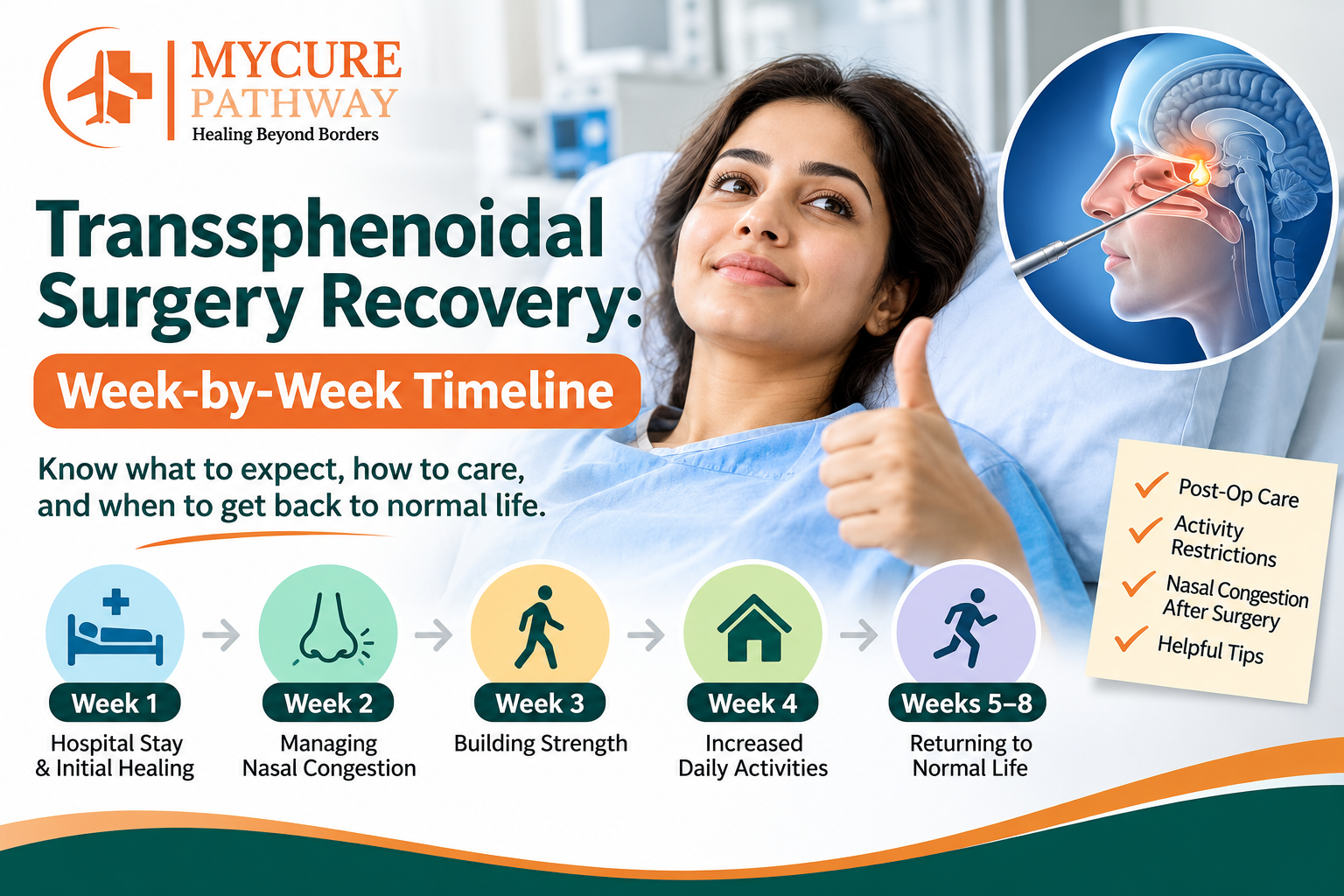
Transsphenoidal Surgery Recovery: Week-by-Week Timeline
The recovery timeline following transsphenoidal surgery varies from patient to patient. Some individuals recover relatively quickly, while others take more time because of hormonal changes and nasal healing.
Here is a general overview of what patients may experience during each stage.
Week 1: Hospital Recovery and Initial Healing
The first week focuses on medical observation, managing discomfort, and allowing the surgical area to begin healing.
1. Transsphenoidal Surgery Hospital Stay
The transsphenoidal surgery hospital stay generally ranges from one to three days, although some patients may require a longer admission depending on their condition and recovery.
During this period, the medical team monitors:
- Blood pressure, heart rate, and oxygen levels.
- Pituitary hormone levels.
- Blood sodium and other electrolyte levels.
- Fluid intake and urine output.
- Nasal bleeding or unusual discharge.
- Headaches, nausea, and neurological symptoms.
Doctors may perform blood tests to determine whether the pituitary gland is producing sufficient hormones after surgery.
Patients are usually encouraged to begin walking with assistance as soon as it is medically safe. Early movement helps reduce the risk of complications associated with prolonged bed rest.
Before discharge, patients receive medication instructions, nasal care guidance, and details about follow-up appointments.
2. Nasal Congestion and Discomfort
Nasal congestion after pituitary surgery is common during the first week. Swelling inside the nasal passages, surgical packing, and crust formation can make breathing through the nose uncomfortable.
Patients may also experience mild blood-stained mucus or nasal discharge. This is generally expected during the initial healing period.
Doctors may recommend saline sprays or nasal rinses at an appropriate stage of recovery. However, patients should not start nasal irrigation without confirming the timing and technique with their surgeon.
3. Rest and Limited Movement
Patients should prioritise rest during the first week. Short, gentle walks may be encouraged, but strenuous activities should be avoided.
Important precautions include:
- Avoid blowing your nose.
- Avoid heavy lifting.
- Do not bend forward repeatedly.
- Avoid straining during bowel movements.
- Sneeze with your mouth open if necessary.
- Take prescribed medications as instructed.
The first week is particularly important because the surgical area and the reconstructed tissue, if used, need time to heal.
Week 2: Managing Nasal Congestion and Improving Comfort
During the second week, many patients begin to feel more comfortable. However, nasal symptoms and fatigue may still be present.
1. Gradual Improvement in Nasal Symptoms
Nasal congestion after pituitary surgery may continue for several weeks. Patients can experience stuffiness, mucus accumulation, crusting, and temporary changes in their sense of smell.
These symptoms are generally related to swelling and healing inside the nasal passages.
Depending on the surgical technique, doctors may recommend:
- Prescribed saline nasal sprays.
- Gentle saline rinses.
- Follow-up nasal examination.
- Removal of nasal splints or packing, if required.
Patients should never insert cotton buds, fingers, or other objects into their nostrils to remove crusts.
2. Monitoring Hormonal Changes
The pituitary gland plays an important role in regulating thyroid function, cortisol production, reproductive hormones, and water balance.
After surgery, some patients develop temporary or permanent hormonal deficiencies. Others may experience changes in antidiuretic hormone regulation, which can affect thirst and urine production.
Doctors may recommend blood tests to monitor sodium levels and assess pituitary function. Follow the prescribed fluid intake instructions rather than independently increasing or restricting water consumption.
3. Gentle Daily Activities
Patients can gradually increase light activities if they feel comfortable and their surgeon approves.
Walking around the house, preparing simple meals, and performing basic personal care may become easier.
However, strenuous exercise, heavy lifting, and activities that increase pressure around the surgical area should remain restricted.
Week 3: Building Strength and Returning to Routine
By the third week, many patients notice improvements in their energy levels and general comfort.
Nasal congestion and occasional headaches may still occur, but they often become less troublesome as healing progresses.
1. Improved Energy Levels
Fatigue is common after pituitary surgery. The body needs time to recover from anaesthesia, the surgical procedure, and possible hormonal changes.
Patients should avoid comparing their recovery progress with others. Even when physical symptoms improve, tiredness may continue for several weeks.
A balanced diet, adequate rest, and gentle walking can support recovery.
2. Returning to Light Daily Activities
Depending on medical advice, patients may gradually resume selected everyday activities.
These may include:
- Walking for slightly longer periods.
- Performing light household activities.
- Reading and working on a computer.
- Spending short periods outside the home.
Patients should stop and rest if they experience dizziness, unusual headaches, excessive fatigue, or discomfort.
3. Follow-up Consultations
Follow-up appointments are important during this stage. The neurosurgeon and endocrinologist may assess healing, review blood test results, and determine whether medication adjustments are necessary.
Some patients may also require an examination by an ENT specialist to evaluate nasal healing.
Week 4: Continued Healing and Increased Activity
The fourth week generally marks a noticeable improvement in everyday comfort for many patients.
Nasal swelling may have reduced, headaches may become less frequent, and energy levels may gradually improve.
However, complete healing is not guaranteed by the fourth week.
1. Improving Nasal Breathing
Patients may notice better nasal airflow as swelling decreases. Some may continue to experience crusting, dryness, or a reduced sense of smell.
Doctors may recommend continuing prescribed nasal care to support healing.
2. Gradual Return to Work
Some patients with desk-based jobs may be able to consider returning to work around this stage, depending on their symptoms and medical advice.
Those with physically demanding jobs may require additional time away from work.
A gradual return is often preferable to immediately resuming a full workload.
3. Continue Following Activity Restrictions
Even when patients feel better, they should not independently restart strenuous exercise, heavy lifting, or contact sports.
The surgeon will determine when these activities can safely resume based on the surgical repair and healing progress.
Weeks 5–6: Regaining Strength and Resuming More Activities
During weeks five and six, many patients experience further improvements in their overall health and daily functioning.
This stage is often associated with a gradual return towards normal routines.
1. Increased Physical Activity
Patients may be permitted to increase walking duration and resume selected low-impact activities.
However, activities involving heavy lifting, intense exercise, jumping, or significant straining should only be resumed after medical clearance.
2. Monitoring Pituitary Function
Hormonal recovery can take longer than physical recovery. Some patients may need ongoing hormone replacement therapy, including medication for cortisol or thyroid hormone deficiencies.
Follow-up blood tests help doctors determine whether hormone levels are stable and whether treatment needs adjustment.
3. Better Nasal Comfort
Most patients experience gradual improvement in nasal congestion, although some may have persistent crusting or changes in smell.
An ENT examination may be recommended if nasal symptoms are prolonged or troublesome.
Weeks 7–8: Moving Towards Normal Daily Life
By weeks seven and eight, many patients are considerably more comfortable and may be able to resume most normal daily activities.
However, the exact recovery period depends on individual healing, the surgical approach, and any complications.
At this stage, doctors may review:
- Overall recovery and physical strength.
- Nasal healing and breathing.
- Pituitary hormone levels.
- Vision and neurological symptoms.
- Medication requirements.
- Imaging and future monitoring plans.
Some patients may return to their usual work schedule, while others may need additional recovery time.
It is important to understand that tumour removal and symptom improvement do not always mean that all pituitary functions have returned to normal. Long-term endocrine follow-up may still be necessary.
Activity Restrictions After Transsphenoidal Surgery
Following activity restrictions after transsphenoidal surgery is essential because excessive pressure around the surgical area may interfere with healing and increase the risk of bleeding or cerebrospinal fluid (CSF) leakage.
Although restrictions vary between hospitals and surgical teams, patients are commonly advised to follow these precautions during the initial recovery period.
Activities to Avoid
1. Heavy Lifting
Avoid lifting heavy objects, including suitcases, large shopping bags, and heavy household items. Your surgeon may recommend avoiding objects heavier than approximately 4.5–5 kg for a specified period.
2. Bending Forward
Repeated bending can increase pressure around the head and surgical area. Bend at the knees rather than leaning forward from the waist when necessary.
3. Blowing the Nose
Do not blow your nose until your surgeon confirms that it is safe. If you need to sneeze, keep your mouth open to reduce pressure.
4. Strenuous Exercise
Avoid running, weightlifting, intense gym workouts, and contact sports during the restricted recovery period.
5. Straining During Bowel Movements
Constipation can cause straining, which may increase pressure around the surgical site. Discuss suitable stool softeners or other constipation management options with your doctor.
6. Swimming and Air Travel
Swimming and air travel may need to be postponed until the surgeon confirms that healing is adequate. The timing depends on the procedure, complications, and individual circumstances.
When Can Patients Return to Normal Activities?
Many patients gradually return to their regular routines within four to eight weeks. However, some may require longer.
Always obtain medical clearance before resuming strenuous exercise, driving, travelling, or physically demanding work.
Post-Op Care After Transsphenoidal Surgery
Proper post-op care is an important part of recovery. Patients should follow the instructions provided by their neurosurgeon, endocrinologist, and ENT specialist.
1. Follow Nasal Care Instructions
Keep the nasal passages clean using only the products and techniques recommended by your medical team.
Saline sprays or rinses may be prescribed to help manage dryness and crusting. The starting date and frequency depend on the surgical technique and whether nasal reconstruction was performed.
2. Take Prescribed Medications
Some patients require hormone replacement medications following surgery.
Common examples include:
- Hydrocortisone for cortisol deficiency.
- Levothyroxine for thyroid hormone deficiency.
- Other hormone medications when clinically indicated.
Never stop or adjust hormone medication without consulting your treating doctor.
Patients taking hydrocortisone should understand their prescribed sick-day and emergency steroid instructions.
3. Monitor Thirst and Urine Output
Changes in antidiuretic hormone function can cause excessive urination and thirst or, in some cases, low blood sodium levels.
Follow the fluid intake plan provided by your medical team. Some patients need specific fluid restrictions, while others may receive different instructions.
4. Maintain a Balanced Diet
A nutritious diet can support tissue repair and general recovery.
Include adequate protein, vegetables, fruits, and fibre according to your dietary requirements. Avoid constipation and discuss any dietary restrictions with your doctor.
5. Attend All Follow-up Appointments
Follow-up appointments help doctors monitor healing, hormone levels, and possible complications.
Patients may require blood tests, vision assessments, nasal examinations, and MRI scans at intervals determined by their treatment team.
Warning Signs to Watch for During Recovery
Although most patients recover without major complications, certain symptoms require immediate medical attention.
Contact your treating team urgently if you experience:
- Clear, watery fluid continuously dripping from the nose, which may indicate a CSF leak.
- Heavy or persistent nosebleeds.
- Severe or worsening headaches.
- Fever or signs of infection.
- Sudden changes in vision.
- Excessive thirst accompanied by frequent urination.
- Nausea, vomiting, confusion, or unusual drowsiness.
- Severe weakness or an inability to take prescribed steroid medication.
Low blood sodium can develop after discharge, sometimes several days after surgery. Symptoms may include nausea, headache, confusion, or unusual tiredness. Seek urgent medical advice if these occur.
Do not wait for a scheduled follow-up appointment if you develop concerning symptoms.
Factors That Can Affect Transsphenoidal Surgery Recovery
Not every patient follows the same recovery timeline. Several factors can influence how quickly someone returns to normal activities.
1. Size and Location of the Tumour
Larger or more complex pituitary tumours may require more extensive surgical work and additional monitoring.
2. Surgical Technique
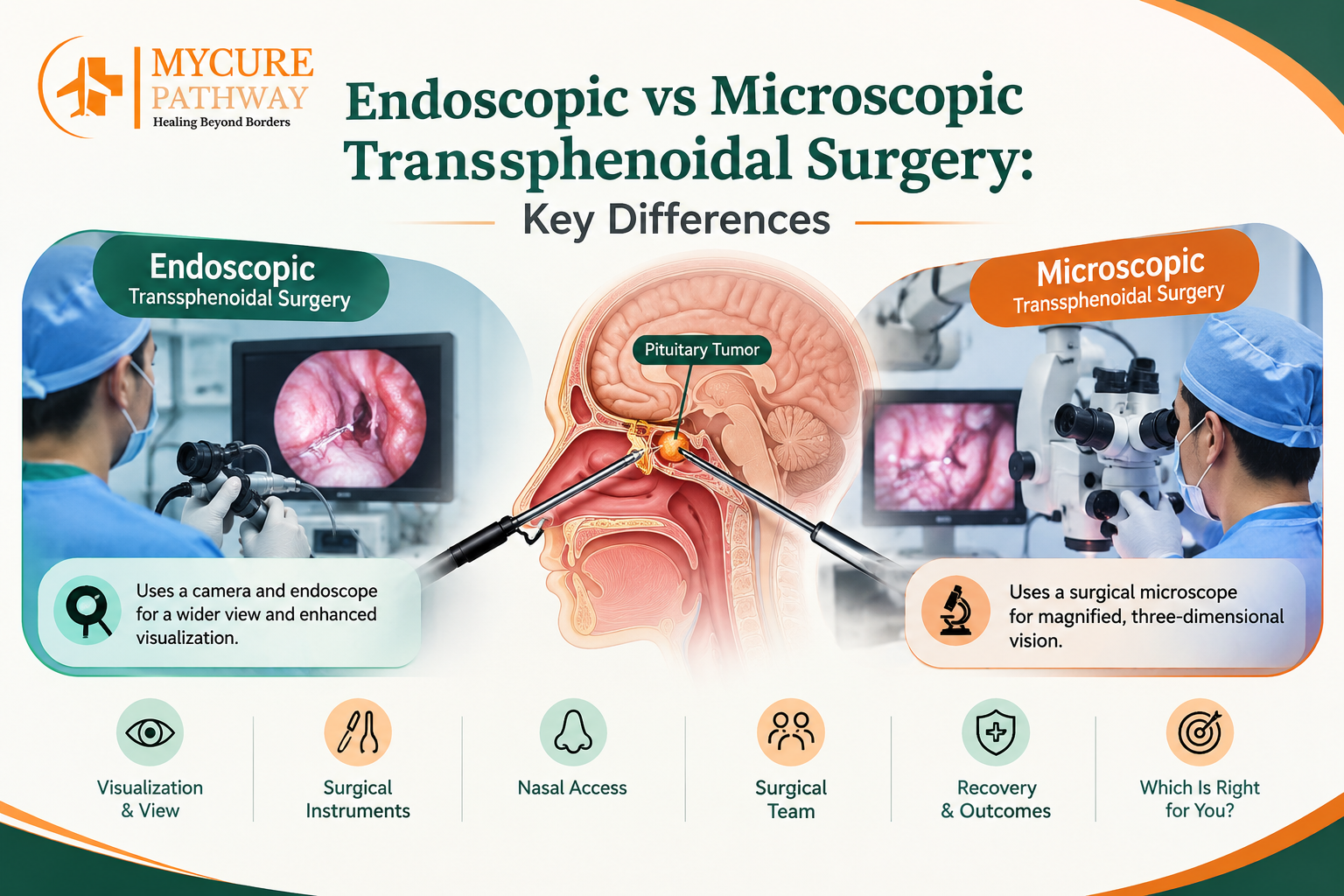
Endoscopic and microscopic transsphenoidal procedures may involve different approaches to accessing and repairing the surgical area.
3. Hormonal Changes
Patients who develop pituitary hormone deficiencies or water-balance problems may require additional medication and follow-up.
4. Overall Health
Age, nutritional status, existing medical conditions, and general fitness can influence recovery.
5. Surgical Complications
A CSF leak, infection, significant bleeding, or other complications may extend the recovery period.
Frequently Asked Questions About Transsphenoidal Surgery Recovery
1. How long does transsphenoidal surgery recovery take?
Many patients return to most normal daily activities within four to eight weeks. However, fatigue, nasal symptoms, and hormonal changes may take longer to resolve. Recovery depends on the patient’s health, tumour characteristics, and surgical outcome.
2. How long is the hospital stay after transsphenoidal surgery?
The transsphenoidal surgery hospital stay is commonly one to three days. Patients may need additional hospital observation if they experience hormonal imbalances, bleeding, a CSF leak, or other complications.
3. Is nasal congestion normal after pituitary surgery?
Yes. Nasal congestion after pituitary surgery is common because of internal swelling, surgical packing, and crust formation. It usually improves gradually over several weeks. Follow your surgeon’s instructions regarding nasal sprays and rinses.
4. When can I return to work after transsphenoidal surgery?
Some patients with desk-based jobs may return within three to four weeks, while others may need six to eight weeks or longer. Physically demanding work generally requires a longer recovery period and medical clearance.
5. Can I travel after transsphenoidal surgery?
Travel should be planned in consultation with your surgeon. Air travel may need to be postponed until the surgical area has healed sufficiently, particularly if there was a CSF leak or other complication. International patients should also arrange appropriate follow-up before returning home.
Conclusion
Transsphenoidal surgery recovery is a gradual process that involves more than simply healing from an operation. Patients need to allow time for nasal healing, monitor pituitary hormone function, follow activity restrictions, and attend regular medical appointments. While many individuals return to their usual routines within four to eight weeks, the timeline can vary depending on the complexity of surgery and individual health factors. Following medical instructions, recognising warning signs, and maintaining communication with the treating team can help patients navigate recovery more confidently.
MyCure Pathway helps international patients explore treatment options in India by facilitating connections with experienced specialists and hospitals, coordinating medical consultations, and assisting with treatment-related travel arrangements.