BMT Surgery in India – Advanced Stem Cell Treatment for a New Life
When blood-related diseases stop responding to regular medication, BMT Surgery in India offers patients a second chance at life. This procedure — known as Bone Marrow Transplant — replaces unhealthy bone marrow with healthy stem cells to rebuild the body’s ability to produce normal blood cells.
India has become one of the most trusted destinations for BMT surgery, thanks to its highly qualified hematologists, international-standard transplant units, and advanced laboratory support. For patients from Dubai, Arab countries, and Africa, India provides life-saving bone marrow transplant treatments at a fraction of Western costs — without compromising safety or success rates.
Related pages: Bone Marrow Transplant, BMT Cost, and Cancer Treatment.
Understanding BMT Surgery
The main aim of BMT surgery in India is to replace old or diseased bone marrow with healthy stem cells. These stem cells can be from the patient themselves or a close donor, so that the body can begin producing new blood cells.
BMT is a crucial option for patients suffering from:
- Blood cancers such as leukemia, lymphoma, and multiple myeloma
- Genetic disorders like thalassemia and sickle cell disease
- Bone marrow failure (aplastic anemia)
- Severe immune deficiencies and metabolic disorders
By restoring normal blood formation, this surgery helps the immune system recover and allows patients to live a healthier, longer life.
In short: BMT surgery replaces diseased bone marrow with healthy stem cells — either the patient’s own (autologous) or a matched donor’s (allogeneic). It is a curative option for many blood cancers and bone marrow failure syndromes.
BMT Surgery in India
Top Doctors

Dr. Meet Kumar
Hemato-Oncology
Clinical Director & HOD.
MBBS, MD, DM, BMT.
14+ Years of Experience.

Dr. Mallikarjun Kalashetty
Hematology & Bone Marrow Transplant
Senior Consultant
MBBS, MD, DM
15 Years of Experience.

Dr. Gaurav Kharya
Hematology and Bone Marrow Transplant
Senior Consultant
MBBS, DCH, DNB (Pediatrics),
15 Years of Experience.

Dr. Pawan Kumar Singh
Hemato-Oncology and Bone Marrow Transplant
Associate Director
MBBS, MD (Internal Medicine), DM (Hematology)
15 Years of Experience.

Dr. Rahul Bhargawa
Hematology & Bone Marrow Transplant.
Principal Director.
MBBS, MD, DM.
20+ Years of Experience.

Dr. Rayaz Ahmed
Hematology & Bone Marrow Transplantation (BMT)
Senior Director
MBBS, MD DM
20 Years of Experience.

Dr. Vikas Dua
Pediatric Hematology & Bone Marrow Transplant.
Principal Director & Head.
MBBS, MD, FNB.
20+ Years of Experience.

Dr. Lalit Kumar
Oncology & BMT (Bone Marrow Transplant)
Chairperson – Oncology & BMT
MBBS, MD DM
25 Years of
Types of BMT Surgery in India
Doctors consider the patient’s blood disorder, age, and donor match to recommend the right type of transplant surgery for the best recovery.
Type of Transplant | What It Means | Who It’s For |
Autologous BMT | Patient’s own stem cells are collected before chemotherapy and reinfused later. | Cancers like lymphoma or multiple myeloma. |
Allogeneic BMT | Healthy stem cells are taken from a compatible donor. | Blood cancers, aplastic anemia, or immune disorders. |
Haploidentical BMT | Transplant from a half-matched donor (usually parent or sibling). | When no full donor match is available. |
Umbilical Cord Transplant | Stem cells from umbilical cord blood are used. | Best for children and rare genetic conditions. |
In short: Autologous BMT reinfuses the patient’s collected stem cells; allogeneic BMT uses donor cells. Type selection depends on the blood disorder, patient age, and donor match quality.
How BMT Surgery Works
The process of BMT Surgery in India is complex but carefully managed by multidisciplinary teams:
- Evaluation & Donor Matching: Tests are done to assess patient readiness and find a compatible donor using HLA (Human Leukocyte Antigen) testing.
- Conditioning Treatment: Chemotherapy or radiation therapy destroys diseased cells and prepares the body for new stem cells.
- Stem Cell Infusion: Healthy stem cells are infused intravenously, similar to a blood transfusion.
- Engraftment Phase: The infused stem cells travel to the bone marrow and start producing new, healthy blood cells.
- Monitoring & Recovery: Continuous observation ensures graft success and prevents infection or rejection.
Cutting-Edge Technology & Facilities in India
Hospitals offering BMT Surgery in India operate in highly sterile environments with advanced transplant technology. Key features include:
- HEPA-filtered transplant units: High-quality filters are used to maintain infection-free air.
- Cryogenic storage systems: Stem cells are kept safe in a frozen condition for long periods of time.
- Automated separators: Fully automatic devices are used for accurate and pure stem cell extraction.
- DNA-based HLA labs: Precise genetic testing is performed to check donor-patient compatibility.
- Infection control: Hospitals have special hygiene and sterilization systems for immune-compromised patients.
Trusted Global Medical Systems Used in India
- Miltenyi Biotec (Germany): Magnetic cell separation systems.
- Terumo BCT (Japan/USA): Apheresis and stem cell collection equipment.
- Fresenius Kabi (Germany): Infusion and transfusion devices.
- Thermo Fisher Scientific (USA): Cryo-storage and transport systems.
- Beckman Coulter (USA): Hematology analyzers for real-time monitoring.
These technologies ensure that Indian transplant centers deliver outcomes comparable to leading hospitals in the USA and Europe.
Benefits of BMT Surgery in India
- High survival and recovery rates comparable to top global centers.
- Advanced transplant labs and FDA-approved equipment.
- Experienced hematologists and transplant surgeons with global training.
- Dedicated infection-free transplant units for safe recovery.
- Affordable costs with complete care packages.
- Multilingual staff and international patient coordinators for smooth assistance.
Why International Patients Choose India for BMT Surgery
For patients who come from Dubai, Arab countries and Africa, BMT Surgery in India is the best option with advanced medical facilities, expert doctors and reasonable pricing.
- Cost Advantage: Transplants in India cost around $20,000–$35,000, compared to over $150,000 in the USA.
- Expertise: Surgeons trained in countries like the UK and Singapore bring decades of transplant experience.
- Shorter Wait Times: Quick donor matching through national and global stem cell registries.
- Comprehensive Support: From travel and accommodation to nutrition and rehabilitation, every detail is managed for foreign patients.
- Post-Transplant Follow-Up: Online consultations and telemedicine support after discharge for international recovery continuity.
In short: Indian BMT centers offer advanced stem cell processing, sterile transplant units, and multidisciplinary teams at costs significantly lower than Western countries — attracting patients from Dubai, Arab nations, and Africa.
Recovery and Life After BMT Surgery
Recovery after BMT Surgery in India requires close monitoring and disciplined post-care:
- Hospital Stay: About 3–4 weeks in a specialized transplant room.
- First 2 Months: Regular blood tests to monitor engraftment and prevent infections.
- 3–6 Months: Gradual improvement in strength and immune response.
- 1 Year: Most patients regain a normal immune system and return to daily activities.
After BMT, Indian hospitals provide full support to patients like counselling, proper diet plan and physiotherapy so that both their healing and daily life become smooth.
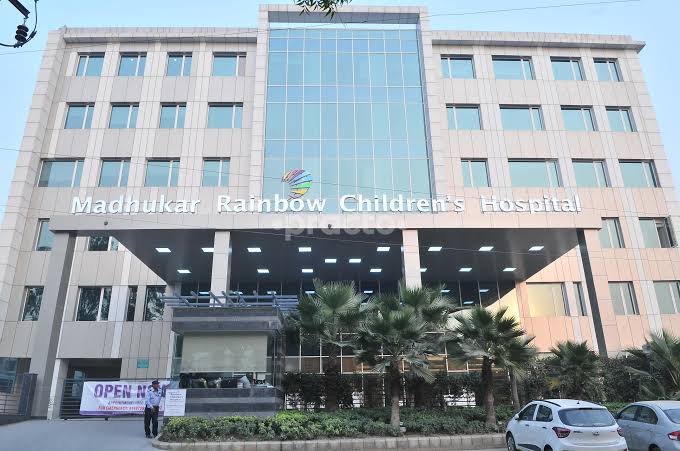
Top Hospitals
Location
New Delhi
Established in
2017
Number of beds
130+
FC-29 5, Geetanjali Marg, near Malviya Nagar, New Delhi
- Multi-speciality
Nearest Metro Station
Malviya Nagar Metro Station
Nearest Airport
Indira Gandhi International Airport
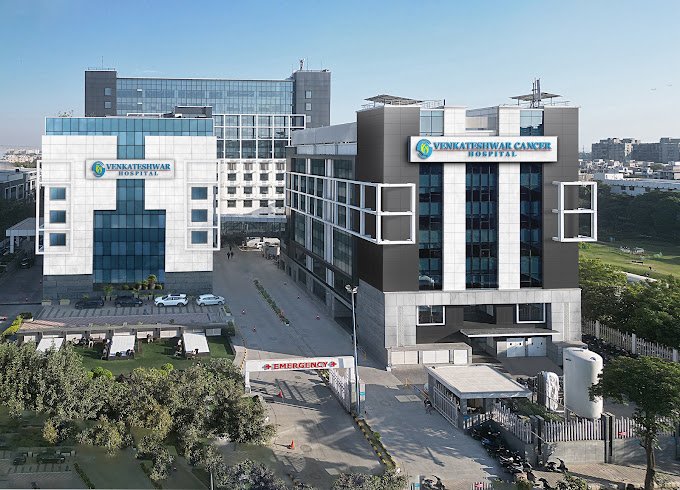
Location
New Delhi
Established in
2016
Number of beds
325+
Sector 12 Rd, Sector 18, Sector 18A Dwarka New Delhi
- Multi-speciality
Nearest Metro Station
Dwarka Sector 12 Metro Station
Nearest Airport
Indira Gandhi International Airport
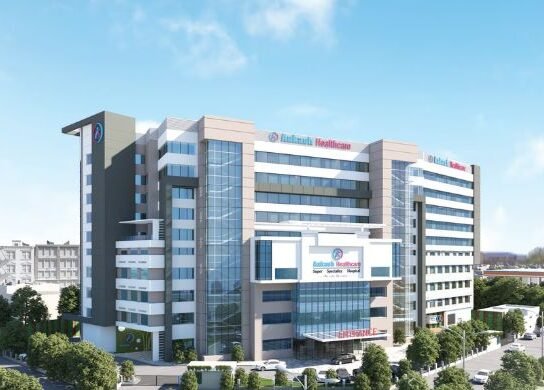
Location
New Delhi
Established in
2017
Number of beds
300+
Hospital Plot, Road No. 201, Dwarka Sector-3, Dwarka, New Delhi
- Multi-speciality
Nearest Metro Station
Dwarka Sector 12 Metro Station
Nearest Airport
Indira Gandhi International Airport
Frequently Asked Questions (FAQs)
What diseases can be treated with BMT surgery in India?
Bone marrow or stem cell transplantation is used for blood cancers such as leukemia, lymphoma, and myeloma, and for selected non-malignant conditions including aplastic anaemia. Eligibility is decided by haemato-oncology specialists after staging and fitness assessment.
See the BMT overview and BMT surgery page. Share pathology reports via Mycure Pathway for an initial opinion.
For BMT centre matching and estimates, contact Mycure Pathway. See the cost page and BMT overview.
How successful is BMT surgery in India?
Outcomes depend on disease type and stage, patient fitness, donor match, conditioning, and infection control. High-volume Indian BMT units report results comparable with international programmes for selected patients. Individual prognosis should come from your treating team.
Ask for disease-specific outcome ranges via Mycure Pathway.
For BMT centre matching and estimates, contact Mycure Pathway. See the cost page and BMT overview.
For international patients, bone marrow transplant centres in India typically offer interpreters and visa support; treatment plans are discussed after donor workup and disease-risk review. For centre matching and a written estimate after full workup, contact Mycure Pathway with prior transplant or oncology records.
How long do patients need to stay in India after BMT surgery?
Stay depends on transplant type (autologous vs allogeneic), engraftment, infections, and complications. Allogeneic patients often plan longer stays. Long-haul travel is only cleared when blood counts and clinical status allow.
Confirm timing with the transplant team before booking flights. Mycure Pathway can help sequence follow-up.
For BMT centre matching and estimates, contact Mycure Pathway. See the cost page and BMT overview.
For international patients, bone marrow transplant centres in India typically offer interpreters and visa support; treatment plans are discussed after donor workup and disease-risk review. For centre matching and a written estimate after full workup, contact Mycure Pathway with prior transplant or oncology records.
How much does BMT surgery cost in India?
BMT surgery in India is typically far less than $200,000–$400,000+ common in the USA for the transplant episode, with costs varying by donor type, conditioning, ICU needs, and complications. Follow-up and medications are additional.
See the cost page and request estimates via Mycure Pathway.
For BMT centre matching and estimates, contact Mycure Pathway. See the cost page and BMT overview.
For international patients, bone marrow transplant centres in India typically offer interpreters and visa support; treatment plans are discussed after donor workup and disease-risk review. For centre matching and a written estimate after full workup, contact Mycure Pathway with prior transplant or oncology records.
What is the difference between autologous and allogeneic BMT?
Autologous transplant uses the patient’s own collected stem cells. Allogeneic transplant uses cells from a matched donor. Disease type and risk profile usually determine which approach is recommended.
Donor search and HLA typing should start early for allogeneic plans. Mycure Pathway can help coordinate timelines.
For BMT centre matching and estimates, contact Mycure Pathway. See the cost page and BMT overview.
For international patients, bone marrow transplant centres in India typically offer interpreters and visa support; treatment plans are discussed after donor workup and disease-risk review. For centre matching and a written estimate after full workup, contact Mycure Pathway with prior transplant or oncology records.
What are the risks of BMT surgery?
Risks include infection, graft-versus-host disease (allogeneic), organ toxicity, bleeding, and relapse of the underlying disease. Risk varies with disease, conditioning, and donor type.
Discuss personalised risk with the transplant team before booking travel.
For BMT centre matching and estimates, contact Mycure Pathway. See the cost page and BMT overview.
For international patients, bone marrow transplant centres in India typically offer interpreters and visa support; treatment plans are discussed after donor workup and disease-risk review. For centre matching and a written estimate after full workup, contact Mycure Pathway with prior transplant or oncology records.
How should international patients prepare for BMT in India?
Travel with complete pathology, staging, HLA typing (if allogeneic), medication lists, and imaging. Plan a companion, infection-safe accommodation near campus, and realistic timelines for isolation periods.
Mycure Pathway helps match centres and sequence evaluations before you fly. Start via the contact page.
For BMT centre matching and estimates, contact Mycure Pathway. See the cost page and BMT overview.
For international patients, bone marrow transplant centres in India typically offer interpreters and visa support; treatment plans are discussed after donor workup and disease-risk review. For centre matching and a written estimate after full workup, contact Mycure Pathway with prior transplant or oncology records.
Can international patients have BMT surgery in India?
Yes. High-volume haemato-oncology and BMT units offer international patient services — visa support, interpreters, and structured follow-up.
Start via the contact page with pathology and staging reports.
For BMT centre matching and estimates, contact Mycure Pathway. See the cost page and BMT overview.
For international patients, bone marrow transplant centres in India typically offer interpreters and visa support; treatment plans are discussed after donor workup and disease-risk review. For centre matching and a written estimate after full workup, contact Mycure Pathway with prior transplant or oncology records.
How do I plan BMT surgery with Mycure Pathway?
Send pathology, staging, and medical summaries through the contact page. The team helps match BMT centres, gathers written estimates, and coordinates evaluations, admission, and travel logistics while you choose the final hospital.
For BMT centre matching and estimates, contact Mycure Pathway. See the cost page and BMT overview.
For international patients, bone marrow transplant centres in India typically offer interpreters and visa support; treatment plans are discussed after donor workup and disease-risk review. For centre matching and a written estimate after full workup, contact Mycure Pathway with prior transplant or oncology records.
What follow-up is needed after BMT returns home?
Long-term follow-up includes medication management, infection surveillance, and monitoring for late effects or relapse. Coordinate a local haematologist before discharge and share the transplant summary with them.
Mycure Pathway can help prepare handover documents for your home doctors.
For BMT centre matching and estimates, contact Mycure Pathway. See the cost page and BMT overview.
For international patients, bone marrow transplant centres in India typically offer interpreters and visa support; treatment plans are discussed after donor workup and disease-risk review. For centre matching and a written estimate after full workup, contact Mycure Pathway with prior transplant or oncology records.
Begin Your Healing Journey with MyCurePathways
Choosing BMT Surgery in India opens the door to advanced medical care, compassionate doctors, and a renewed life for patients suffering from serious blood and immune disorders. With globally trained hematologists, advanced transplant facilities, and affordable packages, India stands among the world’s best destinations for successful bone marrow transplants.
Through MyCurePathways, international patients can easily connect with India’s top transplant hospitals, specialized doctors, and end-to-end support — ensuring a safe, transparent, and comfortable treatment experience.