Generic selectors
Exact matches only
Search in title
Search in content
Post Type Selectors
Filter by Categories
Bariatric Surgeon
Bariatric Surgery
Blog
Bone Marrow Transplant
Brain Stimulation
Brain Tumor
CABG / Bypass Surgery
Gynecological
Hip Replacment
Knee Replacement
Medical Visa
Obesity Surgery
Oncology
Penile Implants
Plastic Surgery
Prostate Cancer
sinus surgery
Spine & Neuro
Uncategorized

Deep Brain Stimulation in India – Advanced Treatment for Movement Disorders

Neurological problems such as Parkinson’s disease, dystonia, or essential tremors gradually make normal movement, clear speech, and daily activities difficult. Medicines initially provide good relief, but their effectiveness gradually diminishes. This is when Deep Brain Stimulation becomes a dependable and long-lasting solution.

India has become a leading destination for Deep Brain Stimulation, offering highly skilled neurosurgeons, advanced brain-mapping systems, and internationally accredited neurology centers at an affordable cost. Patients from Dubai, Arab countries, and Africa prefer India because the treatment is effective, safe, and supported by dedicated care teams who understand the needs of international families.

Related pages: Brain Tumor & Neurosurgery, Brain Surgery Cost, and DBS Cost Comparison.

What Is Deep Brain Stimulation?

Deep Brain Stimulation (DBS) is a specialized neurosurgical procedure in which thin electrodes are placed in specific regions of the brain. These electrodes are connected to a small pacemaker-like device implanted in the chest. Electrical pulses sent from the device help regulate abnormal brain signals and restore smoother body movements.

Unlike traditional brain surgeries, Deep Brain Stimulation does not remove any brain tissue. Instead, it modifies electrical patterns to improve movement control with remarkable precision.

In short: Deep brain stimulation places thin electrodes in specific brain targets and delivers controlled electrical impulses to improve movement symptoms. It is used for Parkinson’s disease, essential tremor, and dystonia when medication is no longer sufficient.

Deep Brain Stimulation in India

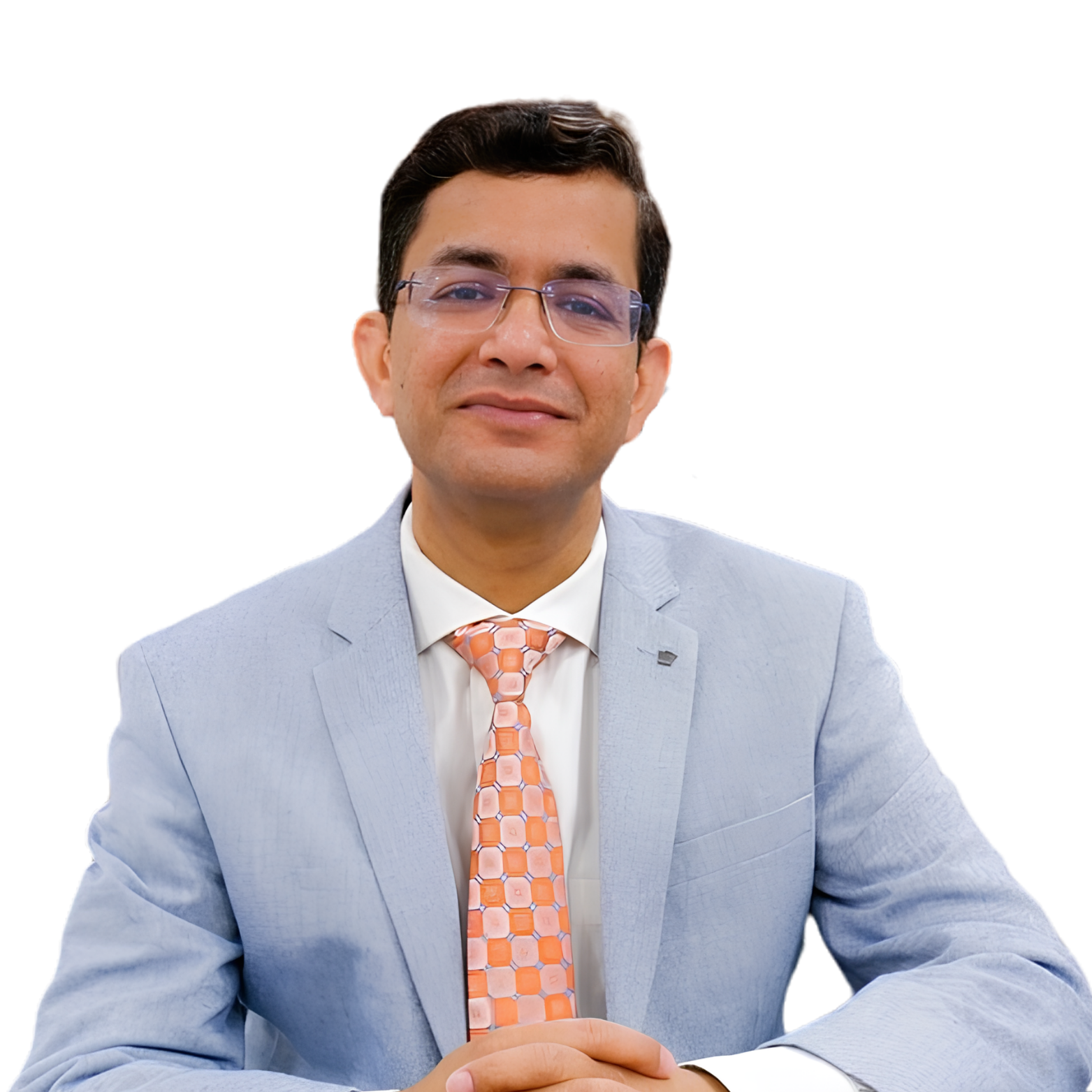
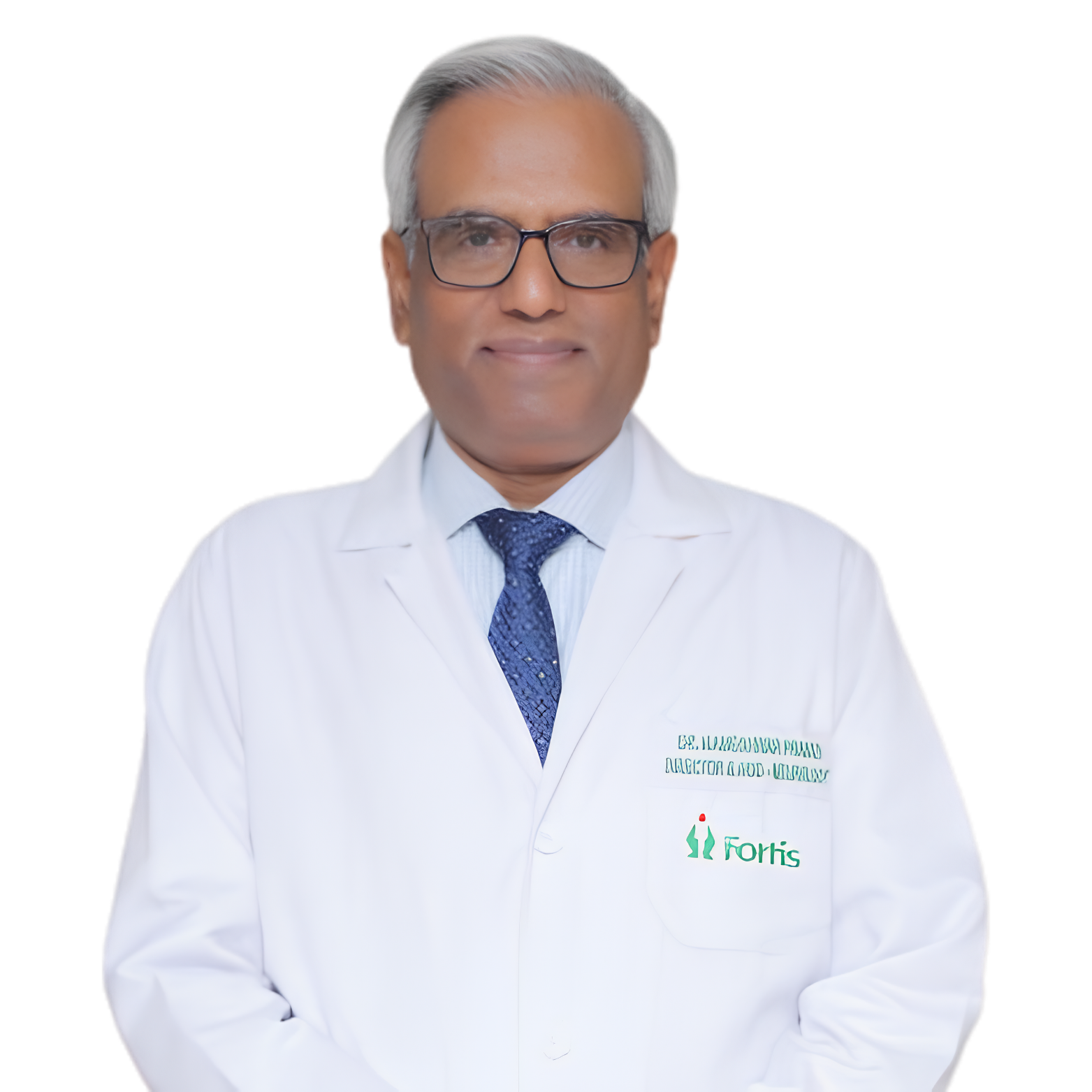
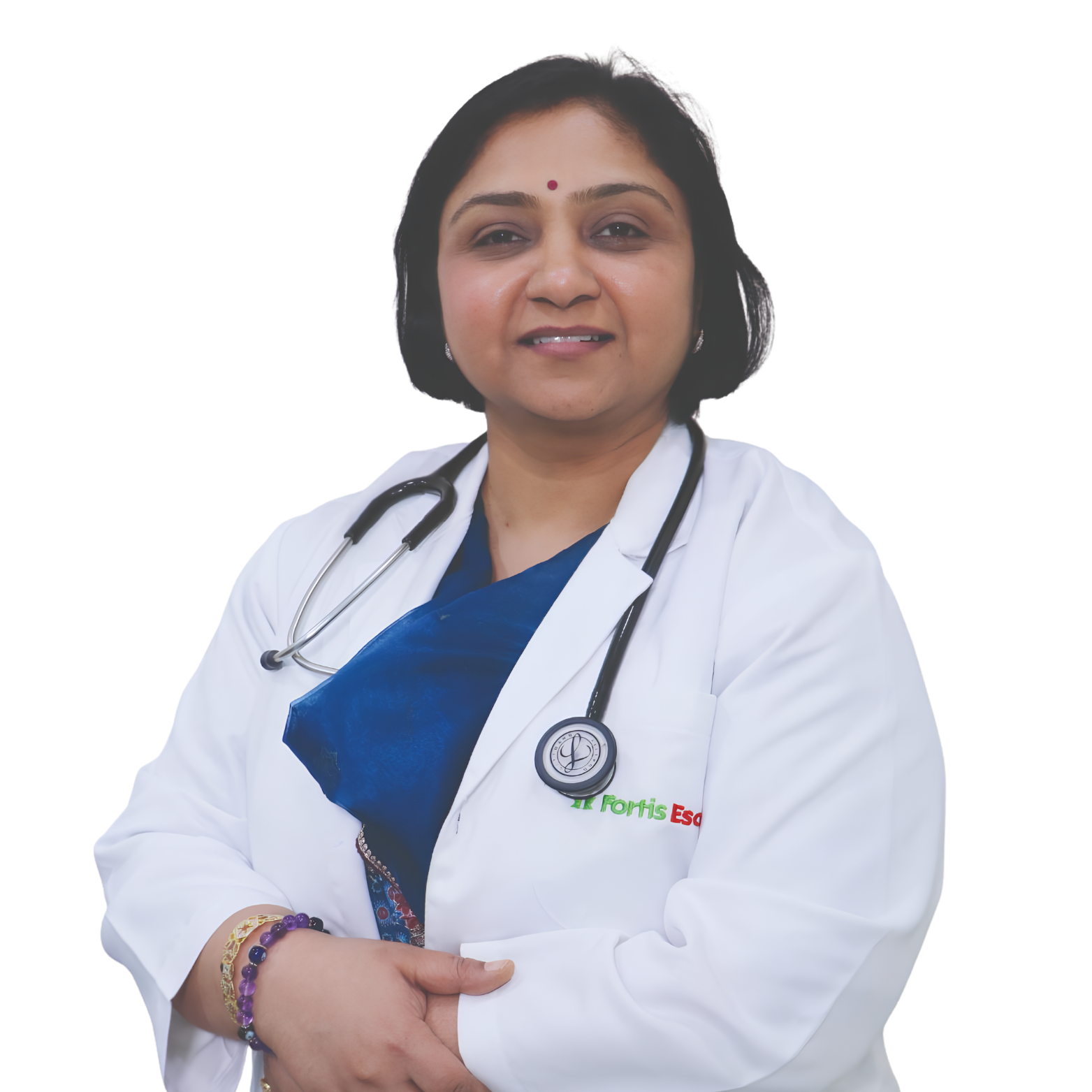
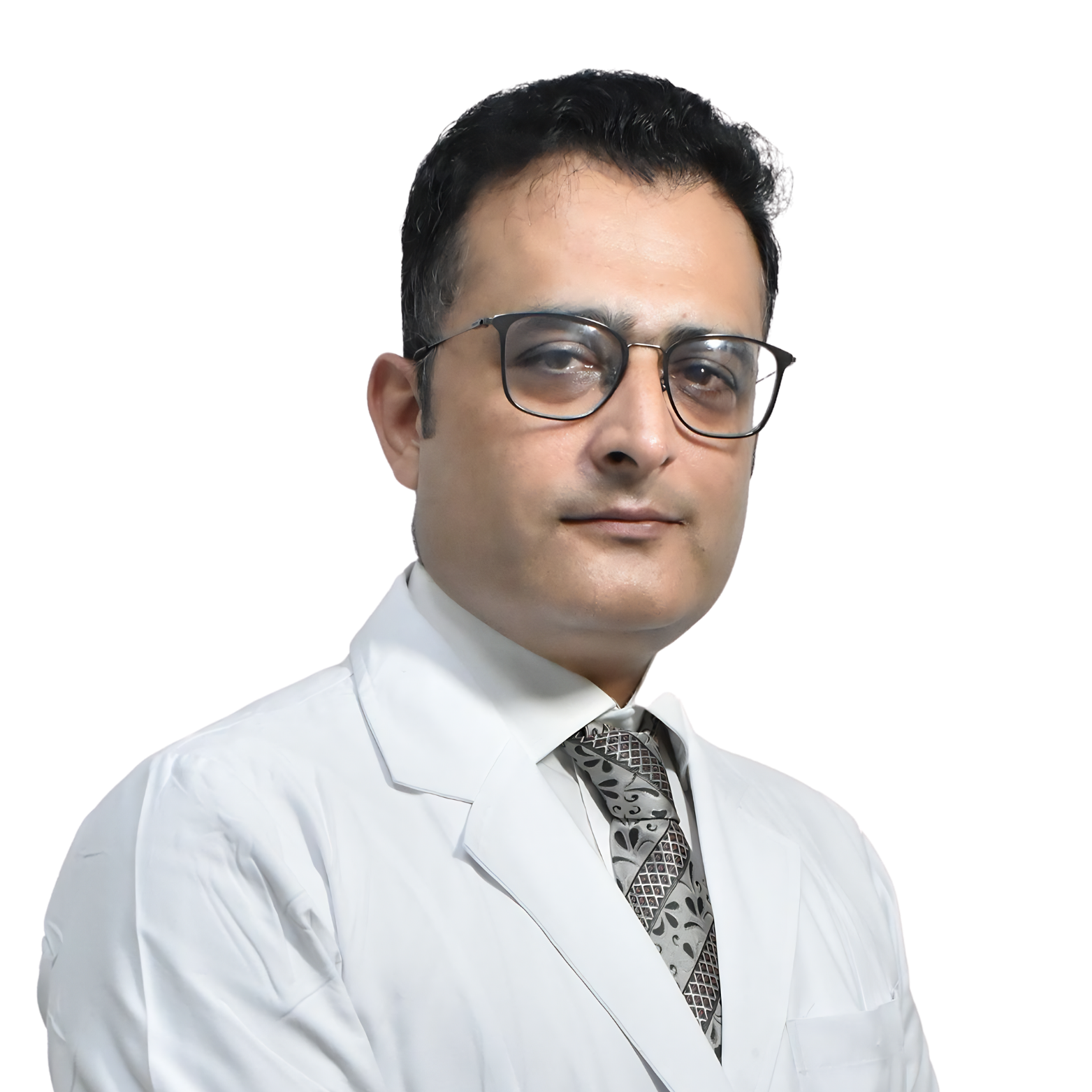
Top Doctors

Who Needs Deep Brain Stimulation?

DBS is recommended for patients who:

  • Have Parkinson’s disease with severe tremors or stiffness
  • Experience disabling tremors due to Essential Tremor disorder
  • Suffer from involuntary muscle contractions caused by Dystonia
  • Do not respond well to medications anymore
  • Face strong side effects from long-term neurological drugs
  • Struggle to maintain independence due to movement difficulties

Common Symptoms That DBS Can Help Improve

  • Tremors in hands, arms, legs, or head
  • Slow or stiff body movements
  • Balance issues or rigidity
  • Uncontrolled muscle spasms
  • Difficulty writing, walking, or holding objects
  • Fluctuations in response to medication

DBS helps patients regain stability, control, and quality of life.

Types of Deep Brain Stimulation Procedures in India

Different forms of Deep Brain Stimulation are offered in India depending on the underlying disorder and brain region targeted.

DBS Type

Target Area

Best For

STN-DBS

Subthalamic Nucleus

Parkinson’s disease with mobility issues

GPi-DBS

Globus Pallidus Interna

Dystonia, severe stiffness

VIM-DBS

Ventral Intermediate Nucleus

Essential tremors

Bilateral DBS

Both sides of the brain

Advanced movement disorders

Adaptive DBS (aDBS)

Real-time adjusting system

Patients needing precise control

In short: DBS targets include the subthalamic nucleus (STN) for Parkinson’s and the globus pallidus internus (GPi) for dystonia. Target selection depends on the underlying disorder and symptom profile.

Deep Brain Stimulation in India

Diagnosis & Evaluation Before DBS

For safe and effective planning, patients undergo:

  • MRI brain imaging
  • CT scan for surgical planning
  • Neurological examination
  • Medication response testing
  • Cognitive and psychological evaluation
  • Blood tests and cardiac screening

These assessments ensure that Deep Brain Stimulation is suited to the patient’s condition.

How Deep Brain Stimulation Works – Step-by-Step

  • Pre-Surgical Planning: Using MRI scans, doctors create a detailed map of the brain to ensure accurate electrode placement.
  • Electrode Placement: Using a robotic-guided technique, small openings are made in the skull and thin electrodes are inserted.
  • Device Implantation: A mini pulse generator is safely fitted under the collarbone.
  • System Programming: The neurologist tunes the system, adjusting signals to maximize symptom control.
  • Recovery & Monitoring: The patient’s movement and balance gradually improve within a few weeks after surgery.

Advanced Technology Used in DBS Centers

Hospitals providing Deep Brain Stimulation in India are equipped with advanced systems such as:

  • Intraoperative MRI-guided brain mapping
  • Robotic stereotactic frames for electrode accuracy
  • Microelectrode recording systems
  • 3D CT navigation
  • Latest programmable stimulators
  • Dedicated Neuro-ICU units for safe recovery

This technology ensures extremely precise electrode placement for the best results.

Benefits of Deep Brain Stimulation in India

Choosing Deep Brain Stimulation in India offers:

  • Improved movement control and reduction in tremors
  • Fewer medication side effects
  • Long-term stable improvement in daily activities
  • Reversible and adjustable treatment
  • Shorter waiting periods compared to Western countries
  • Affordable treatment cost with high clinical standards
  • Care from neurologists trained in the USA, UK, and Europe
Deep Brain Stimulation in India
Brain Tumor Treatment in India

Why International Patients Prefer India for DBS

Patients from Dubai, Arab regions, and Africa trust India for:

  • Cost advantage: Treatment is 60–80% cheaper than Western nations
  • High DBS success rates
  • Modern neurosurgery infrastructure
  • Experienced neurologists & neurosurgeons
  • Arabic/French translators
  • Private recovery rooms with family-friendly facilities

Cost, Travel & International Support for DBS Patients

Cost Overview

  • The average cost of Deep Brain Stimulation in India ranges between $18,000 – $35,000, depending on the system used.
  • This makes it 60–80% more affordable than treatment in the USA or Europe.

Travel & Stay Support

  • Assistance with medical visa processing
  • Airport pickup/drop-off services
  • Stay arrangements near the hospital
  • Attendant accommodation support

In short: DBS in India typically costs $18,000–$35,000 — 60–80% less than USA or Europe — using the same implant systems and surgical planning technology available at top global movement disorder centers.

Cultural & Comfort Services

  • Halal food options available
  • Female care coordinators when requested
  • Arabic and French language support

Recovery & Rehabilitation After DBS

Recovery is gradual but significant.

Typical Recovery Timeline

  • 1–3 days: Hospital discharge
  • 2–4 weeks: Initial programming adjustments
  • 1–3 months: Major improvement in mobility
  • 6 months onward: Stable long-term control

Post-Treatment Care Tips

  • It is crucial to attend all adjustment/programming sessions for optimal results.
  • Take medications regularly as directed by your doctor.
  • Avoid touching or pressing the implanted device.
  • If advised, continue physiotherapy with discipline.
  • Keep hospital follow-up visits on schedule.

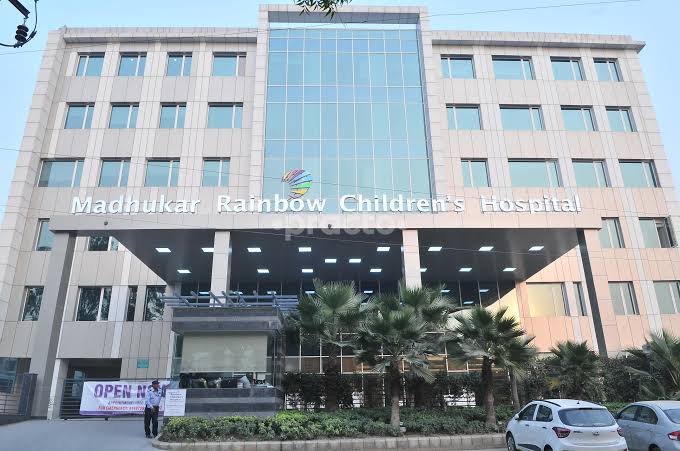
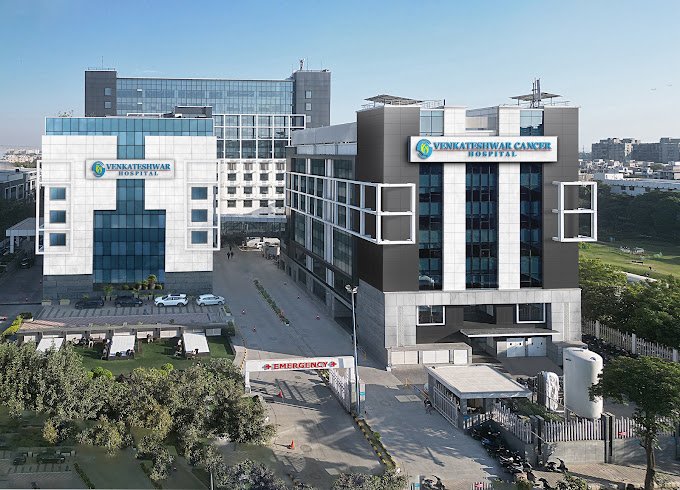
Top Hospitals

Location

New Delhi

Established in

2017

Number of beds

130+

NABH
NABL Accredited
J C I
FC-29 5, Geetanjali Marg, near Malviya Nagar, New Delhi

Nearest Metro Station

Malviya Nagar Metro Station

Nearest Airport

Indira Gandhi International Airport

Location

New Delhi

Established in

2016

Number of beds

325+

NABH
NABL Accredited
J C I
Sector 12 Rd, Sector 18, Sector 18A Dwarka New Delhi

Nearest Metro Station

Dwarka Sector 12 Metro Station

Nearest Airport

Indira Gandhi International Airport

Location

New Delhi

Established in

2017

Number of beds

300+

NABH
NABL Accredited
J C I
Hospital Plot, Road No. 201, Dwarka Sector-3, Dwarka, New Delhi

Nearest Metro Station

Dwarka Sector 12 Metro Station

Nearest Airport

Indira Gandhi International Airport

Frequently Asked Questions (FAQs)

DBS is a well-established neuromodulation therapy, but it is still brain surgery with risks including bleeding, infection, hardware complications, and stimulation-related side effects. Careful patient selection and experienced functional neurosurgery teams reduce risk.

Ask the programme about their DBS volume and complication profile via Mycure Pathway.

For movement-disorder centre matching and estimates, contact Mycure Pathway with neurological notes and imaging.

DBS candidacy depends on diagnosis (for example Parkinson disease), medication response, and medical fitness for surgery. Programming after implantation requires follow-up visits. For movement-disorder centre matching, written estimates, and travel planning around the procedure and review visits, contact Mycure Pathway with neurological notes and imaging.

No. DBS does not cure Parkinson’s disease. It can improve motor symptoms such as tremor, stiffness, and fluctuations for selected patients, while medications continue as prescribed. Benefit varies by diagnosis and symptoms.

Realistic goals should be discussed with a movement disorder specialist before surgery.

For movement-disorder centre matching and estimates, contact Mycure Pathway with neurological notes and imaging.

DBS candidacy depends on diagnosis (for example Parkinson disease), medication response, and medical fitness for surgery. Programming after implantation requires follow-up visits. For movement-disorder centre matching, written estimates, and travel planning around the procedure and review visits, contact Mycure Pathway with neurological notes and imaging.

Rechargeable and non-rechargeable pulse generators differ in longevity depending on settings and usage. Non-rechargeable batteries often last several years; rechargeable systems need regular charging but may last longer before surgical replacement.

Ask about expected generator life and replacement pathway for your settings when planning care.

For movement-disorder centre matching and estimates, contact Mycure Pathway with neurological notes and imaging.

DBS candidacy depends on diagnosis (for example Parkinson disease), medication response, and medical fitness for surgery. Programming after implantation requires follow-up visits. For movement-disorder centre matching, written estimates, and travel planning around the procedure and review visits, contact Mycure Pathway with neurological notes and imaging.

DBS is commonly used for Parkinson’s disease and essential tremor, and selected dystonia cases. Candidate selection depends on diagnosis, cognitive status, and response to medication trials.

Share your neurological history via Mycure Pathway for an initial movement-disorder opinion.

For movement-disorder centre matching and estimates, contact Mycure Pathway with neurological notes and imaging.

DBS candidacy depends on diagnosis (for example Parkinson disease), medication response, and medical fitness for surgery. Programming after implantation requires follow-up visits. For movement-disorder centre matching, written estimates, and travel planning around the procedure and review visits, contact Mycure Pathway with neurological notes and imaging.

DBS in India is typically far less than costs common in the USA and Europe for the device and procedure combined. Cost varies by hospital, device type (rechargeable vs non-rechargeable), and whether unilateral or bilateral leads are placed.

Request a personalised estimate via Mycure Pathway.

For movement-disorder centre matching and estimates, contact Mycure Pathway with neurological notes and imaging.

DBS candidacy depends on diagnosis (for example Parkinson disease), medication response, and medical fitness for surgery. Programming after implantation requires follow-up visits. For movement-disorder centre matching, written estimates, and travel planning around the procedure and review visits, contact Mycure Pathway with neurological notes and imaging.

Lead placement and pulse generator implantation may be staged or combined depending on protocol. Hospital stay is often several days including programming and observation, then outpatient follow-up for settings.

International patients should allow time in India for initial programming before long-haul travel.

For movement-disorder centre matching and estimates, contact Mycure Pathway with neurological notes and imaging.

DBS candidacy depends on diagnosis (for example Parkinson disease), medication response, and medical fitness for surgery. Programming after implantation requires follow-up visits. For movement-disorder centre matching, written estimates, and travel planning around the procedure and review visits, contact Mycure Pathway with neurological notes and imaging.

Yes. Functional neurosurgery and movement disorder programmes in major centres accept international patients with visa support and interpreters.

Start via the contact page with neurological records and imaging.

For movement-disorder centre matching and estimates, contact Mycure Pathway with neurological notes and imaging.

DBS candidacy depends on diagnosis (for example Parkinson disease), medication response, and medical fitness for surgery. Programming after implantation requires follow-up visits. For movement-disorder centre matching, written estimates, and travel planning around the procedure and review visits, contact Mycure Pathway with neurological notes and imaging.

Send neurological notes, imaging, and medication history through the contact page. The team helps match functional neurosurgery centres, gathers written estimates, and coordinates evaluation, surgery, and follow-up programming with travel logistics.

For movement-disorder centre matching and estimates, contact Mycure Pathway with neurological notes and imaging.

DBS candidacy depends on diagnosis (for example Parkinson disease), medication response, and medical fitness for surgery. Programming after implantation requires follow-up visits. For movement-disorder centre matching, written estimates, and travel planning around the procedure and review visits, contact Mycure Pathway with neurological notes and imaging.

Regain Control & Confidence with MyCurePathway

DBS gives patients hope of returning to a normal and independent life, with smoother movements, reduced tremors, and improved overall quality of life. India’s top neurology hospitals, skilled surgeons, and a patient-centered approach result in strong outcomes even for complex neurological conditions.

With MyCurePathway, patients from Dubai, Arab countries, and Africa receive complete support — from medical advice and travel coordination to surgery, rehabilitation, and follow-up care.

Let Us Help You