
Coronary Artery Bypass Graft in India – Trusted Heart Surgery for International Patients
Heart disease continues to be one of the most serious health concerns globally, particularly in regions like the Middle East and Africa. When coronary arteries become blocked, the risk of heart attack, heart failure, and sudden cardiac arrest increases significantly. Medications or stenting may work in some cases, but when blockages are severe or multiple, the most effective treatment is Coronary Artery Bypass Graft (CABG) surgery.
India has earned a global reputation for performing successful Coronary Artery Bypass Graft surgeries. Patients from Dubai, Arab countries, and Africa choose India for its affordable treatment, highly skilled cardiac surgeons, world-class hospitals, and advanced technology including robotic CABG systems.
Related pages: Bypass Surgery Cost in India, CABG / Bypass Surgery, Cardiology Treatment in India, and Cardiac Surgeon in India.
Understanding Coronary Artery Bypass Graft (CABG)
A Coronary Artery Bypass Graft surgery restores normal blood flow to the heart muscle. During the procedure, a surgeon uses a healthy blood vessel (graft) from another part of the body and attaches it to bypass a blocked coronary artery. This new route ensures that oxygen-rich blood reaches the heart effectively.
CABG is not just a life-saving surgery — it also provides long-term relief from chest pain, reduces the risk of future heart attacks, and improves overall heart function.
In short: Coronary Artery Bypass Graft surgery restores blood flow to the heart by grafting a healthy blood vessel around a blocked coronary artery. It is recommended when multiple arteries are blocked or when angioplasty is not suitable. Indian hospitals perform on-pump, off-pump, minimally invasive, and robotic CABG using international-standard devices.
Coronary Artery Bypass Graft in India
Top Doctors
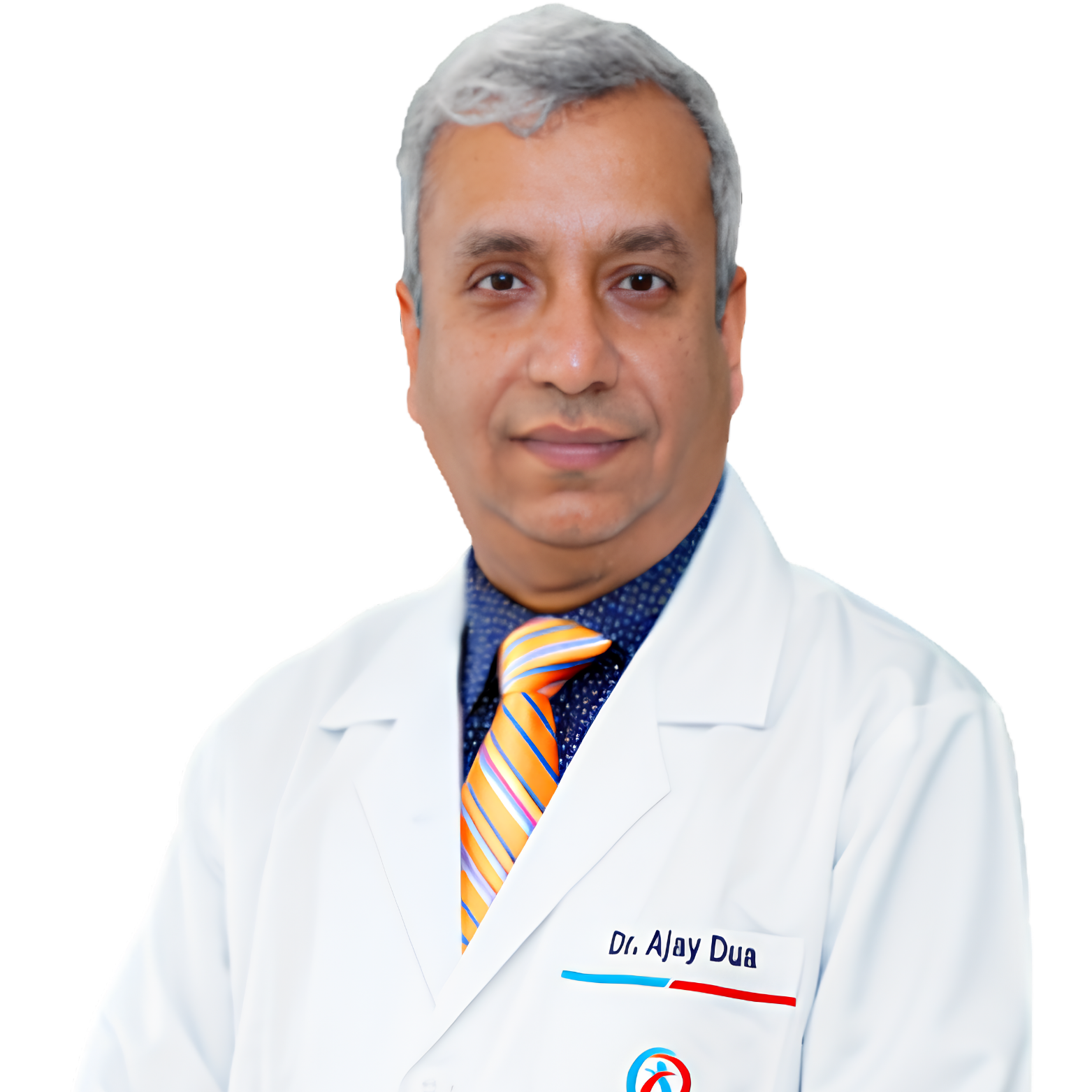
Dr. Ajay DUA
Cardiology / Interventional Cardiology
Director & Unit Head
MBBS, DNB, DNB, FNB, FSCAI, PGDHHM
25+ Years of
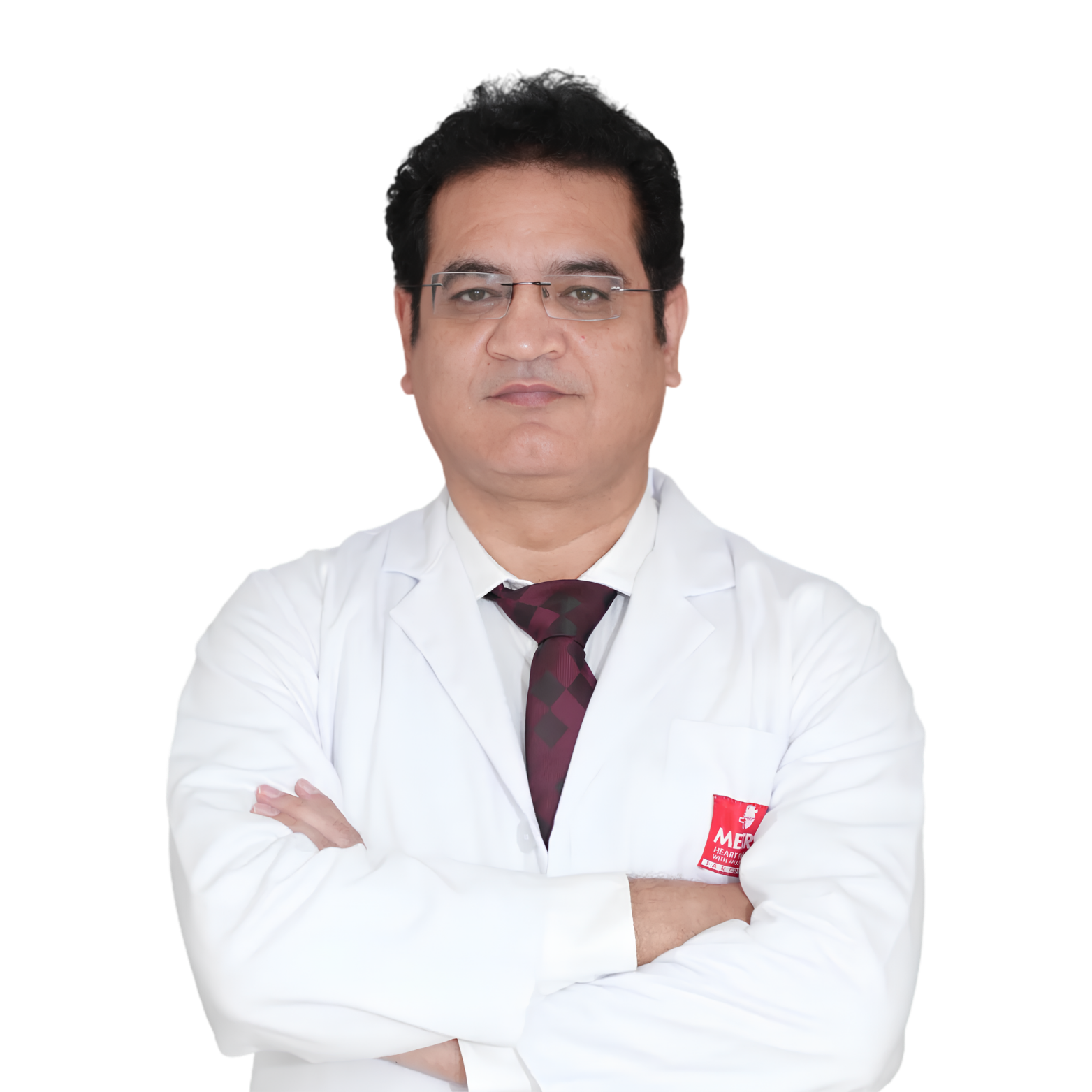
Dr. Shailendra Lalwani
Liver Transplant & HPB Surgery
Head of Department Liver Transplant & HPB Surgery
MBBS, MS.
20+ Years

Dr. (Prof) Purshotam LAL
Cardiology
Chairman & Director of Interventional Cardiology
MBBS, MD.
40+ Years of Experience
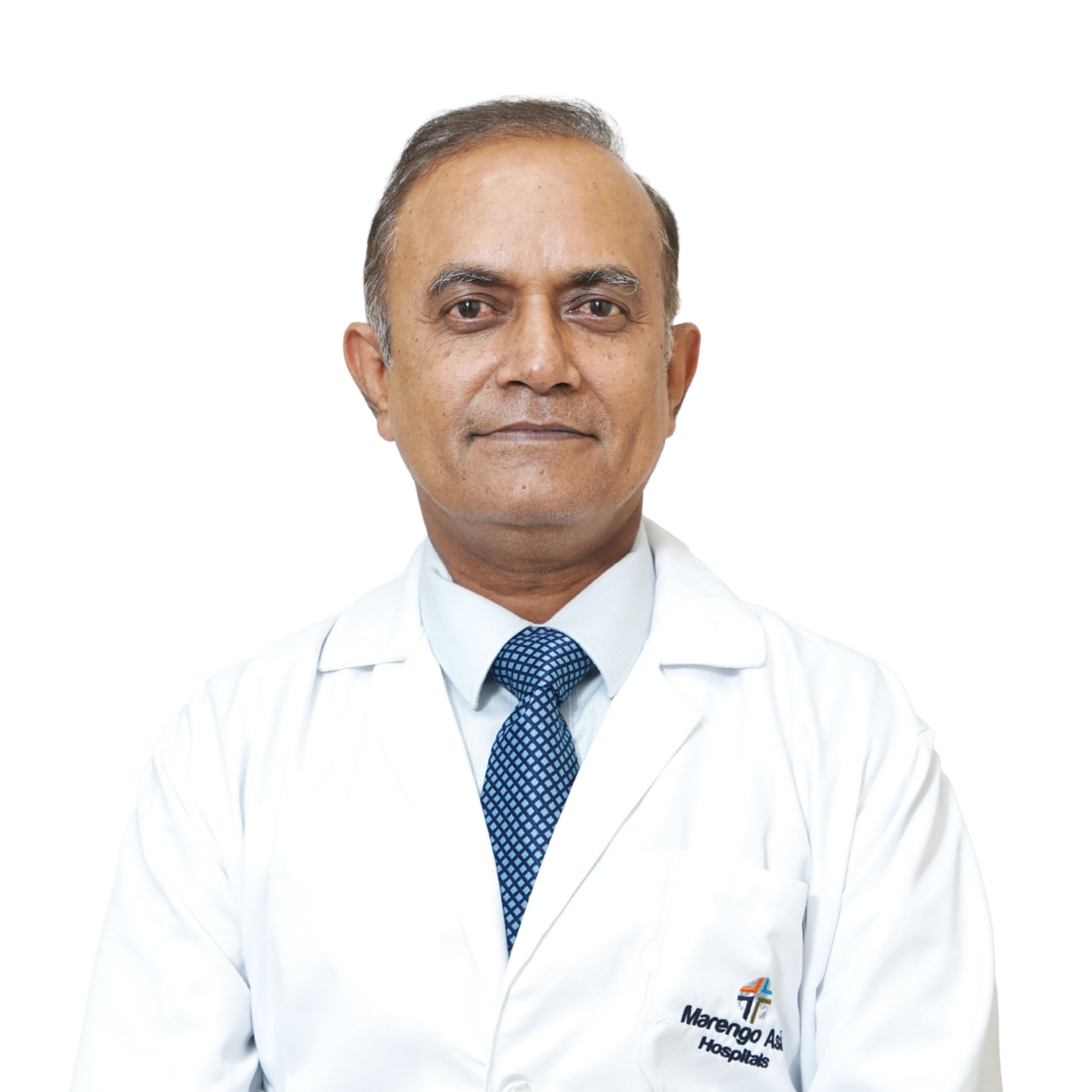
Dr. (Brig.) Sameer Kumar, SM
Cardiac Sciences, Cardiac Surgery, Heart Transplant
Clinical Director & HOD.
MBBS, MS, MCh.
35+ Years of Experience.

Dr. Devananda N.S
Cardiothoracic and Vascular Surgery
Head of Department & Consultant
MBBS, MS, MCh
28 Years of Experience.

Dr. Y K Mishra
Cardiovascular & Thoracic Surgery
Chief of Clinical, Head of Cardiac Sciences
MBBS, MS, Ph.D.
30 Years of

Dr. Bipin Kumar Dubey
Cardiology & Cardiac Surgery
Head of Department and Principal Director
MBBS, MD, DM
39 Years of Experience.

Dr. Anoop K Ganjoo
Cardiothoracic & Vascular Surgery
Senior Consultant
MBBS, MS, MCh, DNB, FIACS
33 Years of Experience.
Conditions That Require CABG Surgery
Patients are advised to undergo Coronary Artery Bypass Graft when:
- Coronary Artery Disease (CAD): Narrowing of the arteries due to plaque buildup.
- Ischemic Heart Disease: Reduced blood supply to the heart muscle, often causing chest pain.
- Multiple Artery Blockages: When more than one artery is blocked and cannot be treated with stents.
- Post-Heart Attack Damage: To restore circulation and prevent further damage.
Unstable Angina: Persistent chest pain not responding to medication.
Symptoms That Indicate the Need for CABG
- Frequent chest pain or heaviness (angina).
- Shortness of breath even during mild activity.
- Rapid fatigue or weakness.
- Palpitations or irregular heartbeat.
- Swelling in the ankles and legs due to poor circulation.
- Previous history of heart attack with blocked arteries.
Types of Coronary Artery Bypass Graft Surgery
Type of CABG | Description | When It’s Done |
On-Pump CABG | Uses a heart-lung machine to temporarily take over heart function. | Preferred for complex bypass surgeries. |
Off-Pump CABG (Beating Heart Surgery) | Performed while the heart continues to beat, without a heart-lung machine. | Reduces complications, especially in high-risk patients. |
Minimally Invasive CABG | Done through small incisions between the ribs. | Suitable for limited blockages. |
Redo or Revision CABG | Performed if earlier grafts fail or new blockages develop. | For patients needing repeat surgery. |
In short: Indian hospitals offer on-pump, off-pump, minimally invasive, and robotic CABG. The right technique depends on the number and location of blocked arteries, the patient’s overall health, and the surgical team’s assessment. Your cardiology team will recommend the most appropriate approach during pre-operative evaluation.
Surgical Techniques in India
Indian hospitals offer a wide range of surgical techniques:
- Traditional Open-Heart CABG – The standard and most common approach.
- Minimally Invasive CABG – Smaller incisions, less recovery time, and minimal scarring.
- Robotic-Assisted CABG – Advanced robotic systems (such as da Vinci and Medtronic robotics) provide surgeons with precision and patients with faster recovery.

Grafts and Devices Used in CABG
The outcome of CABG surgery depends largely on the grafts and devices used by doctors. Better quality grafts mean a better long-term outcome.
Common Grafts Used:
- IMA (Internal Mammary Artery): Doctors call this the gold standard because this graft lasts the longest.
- SVG (Saphenous Vein Graft): This is derived from a leg vein and is usually used when multiple bypasses are needed.
- Radial Artery Graft: A graft taken from the forearm that is strong and dependable.
- Synthetic Grafts: Rarely used, but an option if natural grafts are unsuitable.
Trusted International Brands Used in India
Top Indian hospitals use the same advanced devices as USA and Europe, including:
- Medtronic (USA): Heart-lung machines, graft stabilizers, CABG kits.
- Terumo Cardiovascular (Japan/USA): Cardiopulmonary bypass systems and cannulas.
- Edwards Lifesciences (USA): Cardiac graft connectors and monitoring devices.
- Maquet – Getinge (Germany): Heart stabilizers, intra-aortic balloon pumps.
- Abbott (USA): Perfusion systems and arterial support devices.
[Know More About CABG Devices & Options]
Benefits of Coronary Artery Bypass Graft in India
- Long-lasting relief from chest pain and angina.
- Improved heart blood supply and oxygen flow.
- Reduced risk of heart attack or sudden cardiac arrest.
- Better quality of life and ability to return to normal activities.
- Affordable surgery packages compared to the West.
- Access to advanced techniques like robotic CABG.

Why International Patients Choose CABG in India
Patients from Dubai, Arab countries, and Africa prefer Coronary Artery Bypass Graft in India because:
- Affordable Costs – CABG packages start from $6,000–$9,000, far less than $40,000+ in the USA.
- Expert Surgeons – Many Indian cardiothoracic surgeons are internationally trained.
- High Success Rate – Over 95% success in CABG at top cardiac hospitals.
- State-of-the-Art Facilities – Equipped with robotic surgery, hybrid cath labs, and advanced ICUs.
- International Care Units – Arabic/French translators, visa help, airport pickup, and personalized care.
In short: International patients choose CABG in India for experienced cardiac surgeons, JCI/NABH-accredited hospitals, advanced devices comparable to USA and Europe, significantly lower costs than Western countries, and coordinated support for travel, visa, and follow-up through facilitators like Mycure Pathway.
Recovery and Rehabilitation After CABG
Recovery is gradual but very effective. Patients can expect:
- ICU Care: First 24–48 hours after surgery.
- Hospital Stay: 5–7 days for most patients.
- First 2 Weeks: Limited activities, walking with support.
- 6–8 Weeks: Gradual return to daily routine.
- 3 Months: Full recovery with physiotherapy and lifestyle modification.
In short: Recovery after CABG typically involves 24–48 hours in ICU, 5–7 days total hospital stay, and 6–12 weeks for full recovery. Cardiac rehabilitation is strongly recommended. Most patients return to normal daily activities within 2–3 months, with long-term graft patency supported by medication and lifestyle changes.
Top Hospitals
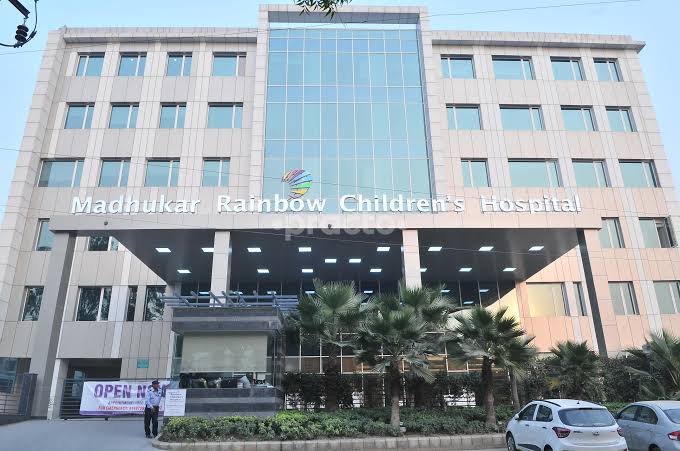
Location
New Delhi
Established in
2017
Number of beds
130+


FC-29 5, Geetanjali Marg, near Malviya Nagar, New Delhi
- Multi-speciality
Nearest Metro Station
Malviya Nagar Metro Station
Nearest Airport
Indira Gandhi International Airport
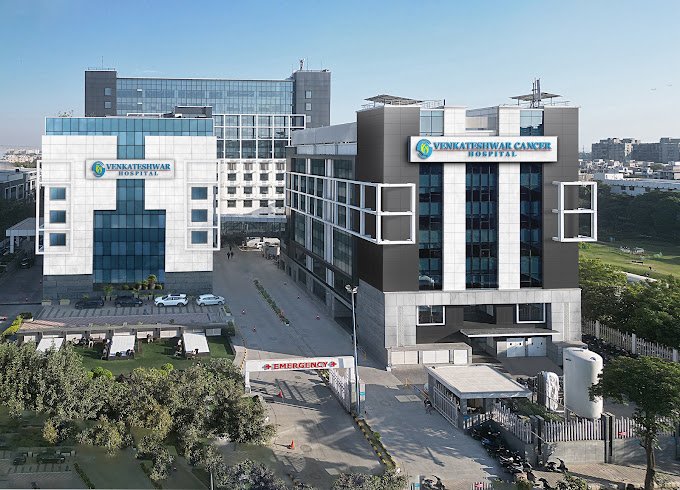
Location
New Delhi
Established in
2016
Number of beds
325+
Sector 12 Rd, Sector 18, Sector 18A Dwarka New Delhi
- Multi-speciality
Nearest Metro Station
Dwarka Sector 12 Metro Station
Nearest Airport
Indira Gandhi International Airport

Location
New Delhi
Established in
2017
Number of beds
300+
Hospital Plot, Road No. 201, Dwarka Sector-3, Dwarka, New Delhi
- Multi-speciality
Nearest Metro Station
Dwarka Sector 12 Metro Station
Nearest Airport
Indira Gandhi International Airport
Frequently Asked Questions (FAQs)
What is coronary artery bypass graft (CABG) surgery?
Coronary artery bypass grafting (CABG) is a heart operation that restores blood flow to the heart when coronary arteries are narrowed or blocked. The surgeon uses a graft — a healthy blood vessel taken from the leg, arm, or chest wall — to create a new route around the blocked artery. Blood then flows through the graft to the heart muscle, reducing chest pain and lowering the risk of heart attack in patients with severe or multi-vessel disease.
Indian hospitals perform on-pump, off-pump, minimally invasive, and robotic CABG using international-standard devices. Mycure Pathway helps international patients coordinate hospital selection, appointments, and follow-up for CABG in India. Learn more about the full CABG procedure or compare costs on the bypass surgery cost page.
How is CABG different from angioplasty and stents?
Angioplasty with a stent opens a narrowed artery from the inside using a balloon and a metal mesh tube. CABG creates a completely new pathway for blood flow using a graft stitched beyond the blockage. Stents are often suitable for one or two focal blockages. CABG is generally preferred when blockages are severe, long, or involve several arteries — especially left main disease or diabetes with multi-vessel disease — because bypass grafts can protect more of the heart muscle at once.
Your cardiac team decides based on angiography findings, overall health, and how the heart is pumping. If you already have a recent angiogram, share those reports when you contact Mycure Pathway so hospitals can advise on CABG versus stenting before you travel.
How much does CABG surgery cost in India?
CABG in India typically costs far less than $40,000+ charged in the USA for the same procedure class, with packages that commonly include the operation, hospital stay, and standard investigations. Final pricing depends on graft count (single, double, or triple bypass), on-pump versus off-pump or robotic technique, hospital brand, ICU needs, and any advanced devices used.
Indicative ranges are published on our bypass surgery cost page. For a written estimate matched to your angiogram and preferred hospital, request a quote through Mycure Pathway. Costs can vary by city, surgeon experience, and whether minimally invasive or robotic-assisted surgery is selected.
What types of CABG surgery are available in India?
Major Indian cardiac centres offer four main approaches:
On-pump CABG — uses a heart-lung machine so the heart can be still while grafts are placed.
Off-pump (beating-heart) CABG — grafts are placed while the heart keeps beating; may suit selected patients at higher risk from the machine.
Minimally invasive CABG — smaller incisions and specialised instruments, with less chest trauma.
Robotic CABG — robotic arms assist precise graft placement through tiny incisions.
Not every patient is a candidate for every technique. Surgeons choose based on coronary anatomy, other medical conditions, and previous surgery. Discuss which option matches your angiogram when you plan through Mycure Pathway.
What devices and brands are used in India for CABG?
Indian hospitals use internationally trusted brands — including Medtronic, Terumo, Edwards Lifesciences, and Maquet — the same families of products used in the USA and Europe for stabilisers, cannulation, cardioplegia, and related cardiac-surgery devices. Grafts are the patient’s own vessels (internal mammary artery, radial artery, or leg veins); synthetic devices are not used as the bypass conduit in standard CABG.
Ask the hospital for a device list relevant to your planned procedure if brand transparency matters to you. Mycure Pathway can request that detail during treatment planning so you know what to expect before admission.
How long do bypass grafts last?
The internal mammary artery (IMA) graft — usually to the most important artery on the front of the heart — often remains open for 15–20 years or longer. Leg vein grafts typically last about 8–12 years; radial artery grafts fall in a similar long-term range depending on flow and medical therapy. Durability depends on blood-pressure control, diabetes management, cholesterol treatment, smoking status, and regular follow-up.
After CABG, patients usually continue antiplatelet and cholesterol-lowering medication as prescribed and attend scheduled cardiology reviews. Long-term success is as much about medical therapy and lifestyle as about the operation itself. Planning follow-up — including remote review after you return home — is part of what Mycure Pathway can coordinate.
Who is a candidate for CABG in India?
CABG is commonly considered when:
- Two or more coronary arteries are significantly blocked
- The left main coronary artery is narrowed
- Blockages are not suitable for stenting, or stenting has failed
- Chest pain continues despite optimal medication
- Heart function is reduced together with multi-vessel disease, especially in diabetic patients
A cardiologist reviews angiography, echocardiography or other imaging, lab reports, and overall medical fitness before recommending surgery. International patients can upload reports through Mycure Pathway for an initial hospital opinion before booking travel.
How should international patients prepare for CABG in India?
Preparation typically starts with recent angiography, echocardiography, blood work, and a list of current medicines. Hospitals offering international care run a desk for medical visa documentation, airport pickup, interpreters where needed, and accommodation near campus. Mycure Pathway coordinates hospital selection, appointment slots, report review, travel timing, and on-ground support so the clinical pathway stays clear.
Aim to travel with a companion, keep all imaging (films or discs) and reports in hand luggage, and confirm how long the treating team expects you to stay in India before return travel. Start the conversation early via contact us so visa and scheduling timelines align.
What is recovery like after CABG?
Recovery after CABG typically involves 24–48 hours in ICU, about 5–7 days total hospital stay in uncomplicated cases, and roughly 6–12 weeks before many patients feel back to normal daily activity. Wound care, gradual walking, and cardiac rehabilitation exercises are part of early recovery. Driving, heavy lifting, and long flights are timed by the surgical team — long-haul travel is usually planned only when the sternum and wounds are healing well.
Mycure Pathway helps schedule follow-up before you fly home and can share your discharge summary with your local cardiologist so care continues seamlessly after you return.
Is robotic CABG surgery available in India?
Yes. Leading cardiac centres in Delhi, Mumbai, Chennai, and other metro hospitals use modern robotic platforms — including systems associated with da Vinci and related cardiac-surgery workflows — for selected CABG cases, often combined with minimally invasive incisions. Robotic assistance aims for precise graft placement and smaller incisions, which some patients prefer for recovery and scarring.
Robotic CABG is not appropriate for every anatomy. Your surgeon will confirm suitability after reviewing the angiogram. If you specifically want a robotic or minimally invasive option, mention that preference when you contact Mycure Pathway so matching hospitals are shortlisted.
Can international patients easily undergo CABG in India?
Yes. Many tertiary cardiac hospitals run dedicated international patient services — visa invitation support, translators, airport transfer, international desks, and sometimes hotel or guest-house coordination. English is widely spoken in cardiac units. Mycure Pathway sits alongside the hospital team to organise second opinions, appointment sequencing, cost transparency, and logistics so patients arriving from the Middle East, Africa, and other regions have one coordinated plan.
Share your reports and preferred dates here to start a structured planning conversation before booking tickets.
What risks are associated with CABG surgery?
As with any major heart operation, CABG carries risks including bleeding, infection, stroke, heart rhythm problems, kidney issues, and — rarely — death. Risks vary with age, other illnesses, emergency versus planned surgery, and how blocked the arteries are. On-pump surgery adds machine-related considerations; off-pump and minimally invasive approaches aim to reduce some of these in selected patients but are not risk-free.
Experienced cardiac teams reduce risk through careful patient selection, modern perioperative protocols, and ICU monitoring. Ask your surgeon for risk estimates matched to your angiogram and medical history — Mycure Pathway can help arrange that discussion before you travel.
How do I plan CABG in India with Mycure Pathway?
Send your angiogram, echocardiography, and medical reports through the contact page. The team helps match suitable cardiac hospitals and surgeons, gathers written cost estimates, and sequences appointments, admission, and follow-up. Travel timing, visa documents, and companion logistics can be aligned with the clinical plan. You stay free to choose any hospital; the goal is clear information before you commit.
For procedure background, read the CABG guide and the cost page, then start a conversation with the team.
Choosing India for Your Heart Surgery Journey
Coronary Artery Bypass Graft in India is a reliable and pocket-friendly treatment option for patients with severe heart blockages that provides long-term relief. With internationally trained surgeons, advanced robotic technology, and globally recognized medical devices, patients from Dubai, Arab countries, and Africa rely on India for safe and successful heart treatment.
MyCurePathways helps international patients access advanced Coronary Artery Bypass Graft surgery in India, ensuring world-class cardiac care with complete support at every step.