
Disease
Cardiology Disease
Understanding Cardiology & Heart Disorders
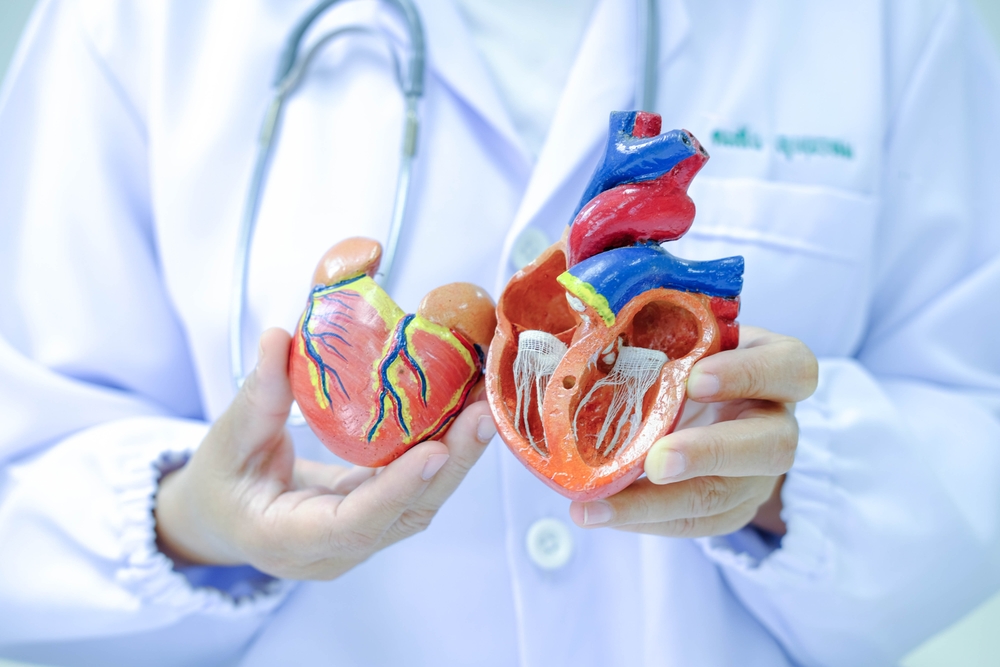
Cardiology focuses primarily on the heart and its surrounding arteries. When these systems are healthy, the body remains active and healthy. However, if circulation slows, fatigue, breathing issues, and concentration problems can quickly develop.
Heart problems don’t always start with a dramatic event. Often they begin with small changes:
- getting tired sooner than usual while walking
- a feeling of heaviness or tightness in the chest
- slight breathlessness when climbing stairs
- irregular heartbeats or “flip-flop” sensations in the chest
- swelling around the ankles or feet by evening
These may seem like minor issues, but they often signal underlying heart or circulation trouble that needs medical attention.
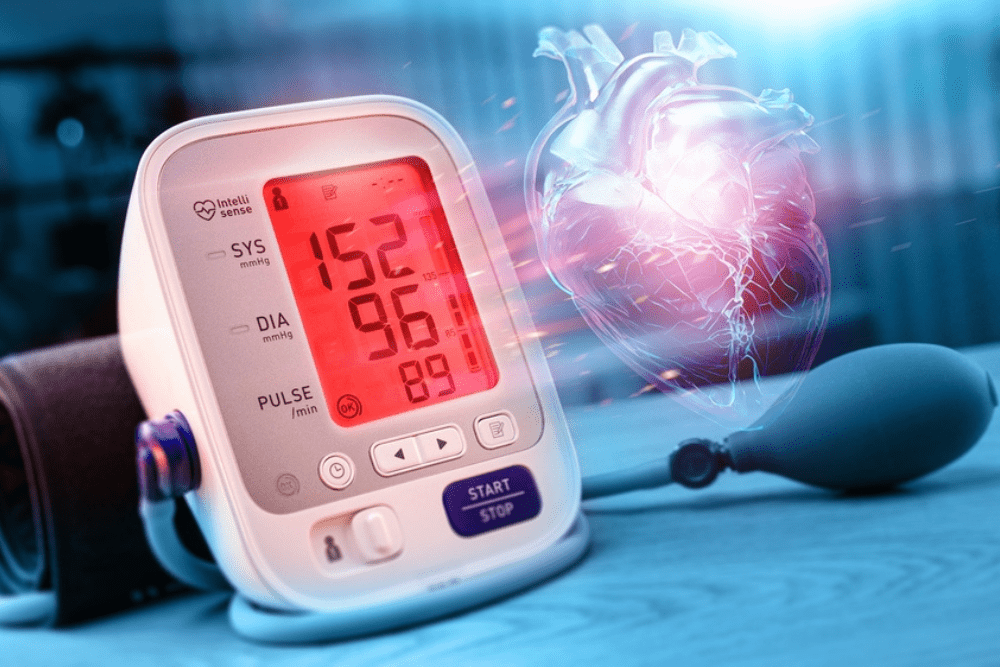
Conditions develop due to high blood pressure, uncontrolled diabetes, high cholesterol, smoking, stress, obesity, lack of exercise, infections, or a strong family history of heart disease. The earlier they’re picked up, the better the chance of controlling them.
Prevention and Care
Heart protection is not built in a day—it comes from steady changes made over months and years. Key steps include:
- choosing home-cooked meals over processed or fried food
- checking blood pressure, sugar, and cholesterol regularly
- practising simple physical activity most days of the week
- managing stress instead of ignoring it
- maintaining a healthy weight and waistline
- avoiding smoking and limiting alcohol
Regular checkups with a cardiologist help track risk factors and catch problems before they become emergencies.
Cardiology Disease
Understanding Common Heart Conditions
Cardiology diseases affect the heart in different ways—some block blood flow, some disturb rhythm, and others weaken the heart’s pumping power or damage its structure.
Common cardiology conditions include:
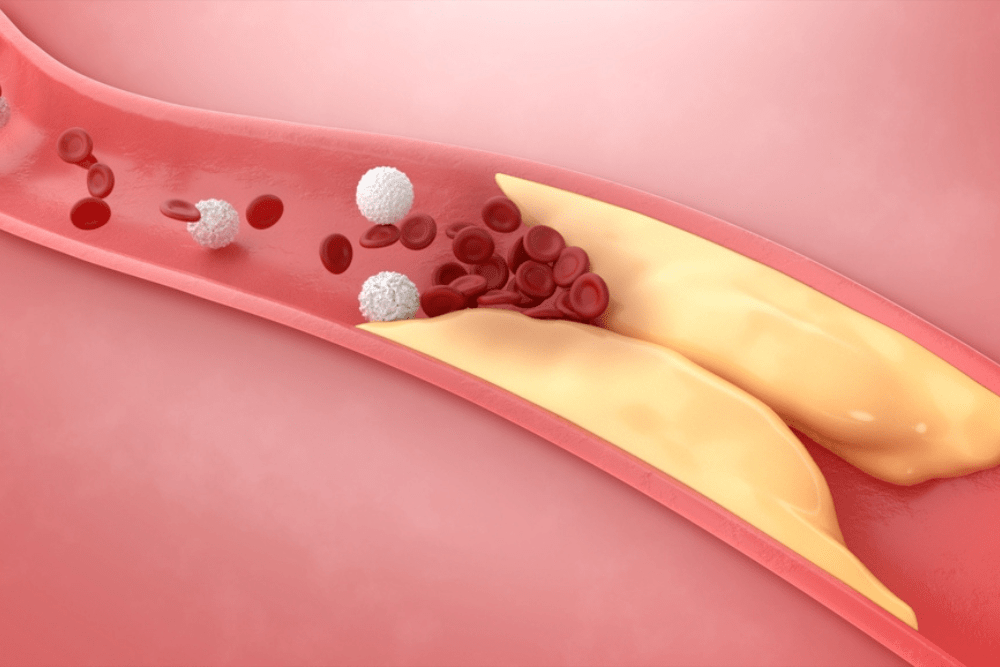
1. Coronary Artery Disease (CAD)
When the arteries that supply blood to the heart become thickened or blocked by fat deposits, blood flow slows. This causes pressure or pain in the chest, and can sometimes even lead to a heart attack.
2. Angina
Chest pain or pressure that appears with physical or emotional stress and eases with rest, often a warning sign of underlying artery disease.
3. Heart Failure
The heart muscle becomes weak or stiff and cannot pump enough blood, leading to fatigue, breathlessness, and swelling in legs or abdomen.
4. Arrhythmias
Abnormal or irregular heartbeats—too fast, too slow, or erratic—that can cause palpitations, giddiness, or fainting.
5. Valvular Heart Disease
One or more heart valves become narrowed or leaky, disrupting smooth blood flow and forcing the heart to work harder.
6. Cardiomyopathy
Changes in the heart muscle (thickened, enlarged, or stiff) that affect how effectively it contracts and relaxes.
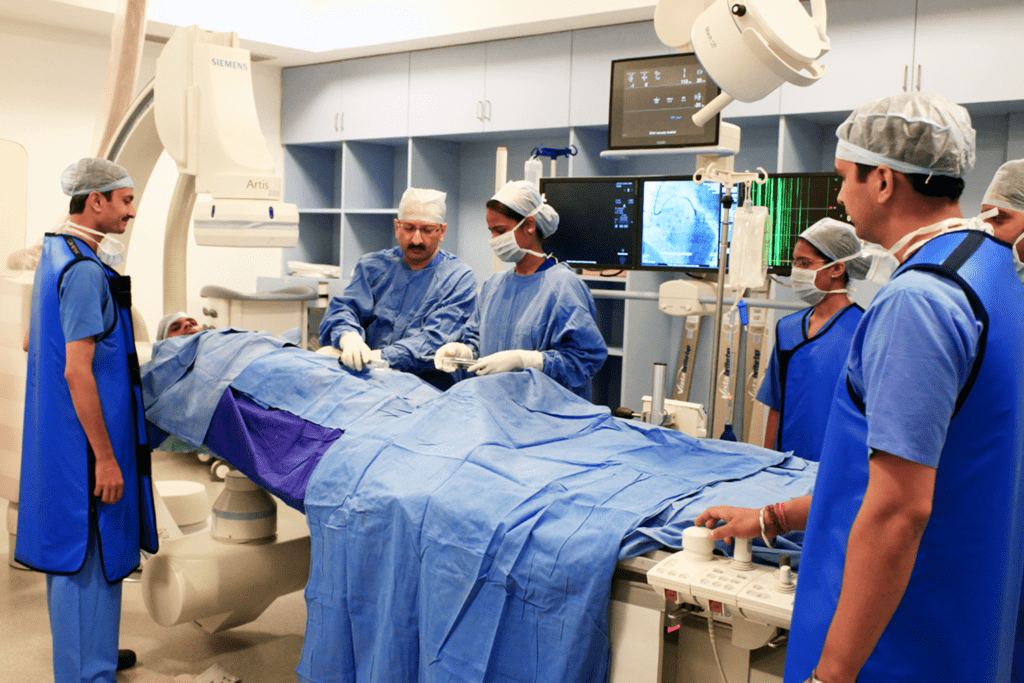
In more serious or advanced cases, patients may need angioplasty, stenting, bypass surgery, valve repair or replacement, pacemaker/ICD implantation, or other cardiac procedures along with medicines and lifestyle changes.
Lifestyle Changes
Heart-Smart Daily Routine
Gentle exercise, avoiding long periods of sitting, and taking short walking breaks during the day help keep circulation active and the heart muscle strong.
Food Choices that Support the Heart
Cutting down on salty snacks, sugary drinks, and deep-fried items—and adding fruits, vegetables, pulses, nuts, and good fats—keeps blood pressure, cholesterol, and weight in check.
Stress & Sleep Management
Quality sleep, short breaks during the day, relaxation techniques, and time for hobbies reduce strain on the heart and improve recovery.
Cardiology Treatment
Treatment and Approx. Costing
Treatment depends on the exact condition, its severity, and the patient’s overall health. Common cardiology treatments include:
Procedure | Description | Estimated Cost (INR) | |
Medical Management | Tablets to control blood pressure, cholesterol, heart rate, sugar levels, and fluid retention. | $12 – $96 per month | KNOW MORE |
Coronary Angiography & Angioplasty | A dye-based test to see heart arteries, often followed by balloon angioplasty and stent placement if blockages are found. | $540 – $2,650 | KNOW MORE |
Coronary Artery Bypass Grafting (CABG) | Surgery to create new channels for blood to bypass blocked arteries and reach the heart muscle. | $3,000 – $7,230 | KNOW MORE |
Valve Repair & Replacement | Correcting or replacing damaged heart valves with mechanical or tissue valves. | $2,170 – $5,780 | KNOW MORE |
Pacemaker / ICD / CRT Devices | Implanted devices to regulate or support the heart rhythm and prevent dangerous arrhythmias. | $1,450 – $4,220 | KNOW MORE |
Why Choose India for Cardiology Disease Treatment
India is a preferred place for heart care because:
- Cardiology teams see a wide variety of simple and complex heart cases every day, giving them deep hands-on experience.
- Hospitals are equipped with modern cath labs, advanced imaging, and hybrid operating theatres for complex procedures.
- Minimally invasive approaches help patients heal faster with smaller cuts and shorter hospital stays.
- Treatment costs are significantly lower than many Western countries while maintaining high standards of care.
- Cardiac rehabilitation programs help patients regain strength and confidence after heart attacks or surgery.
- Specialist care is available for all age groups—from young adults with early risk factors to elderly patients with multiple conditions.
- International patients receive help with travel planning, appointments, and follow-up coordination.
India offers dependable treatment for chest pain, blocked arteries, heart failure, rhythm disorders, valve problems, cardiomyopathy, and congenital heart conditions.
Top Doctors
Doctors for Cardiology
DR. SHAILENDRA LALWANI
Liver Transplant & HPB Surgery Head of Department...
FIND OUT MOREDR. (PROF) PURSHOTAM

Cardiology Chairman & Director of Interventional Cardiology MBBS,...
FIND OUT MOREDr. (Brig.) Sameer
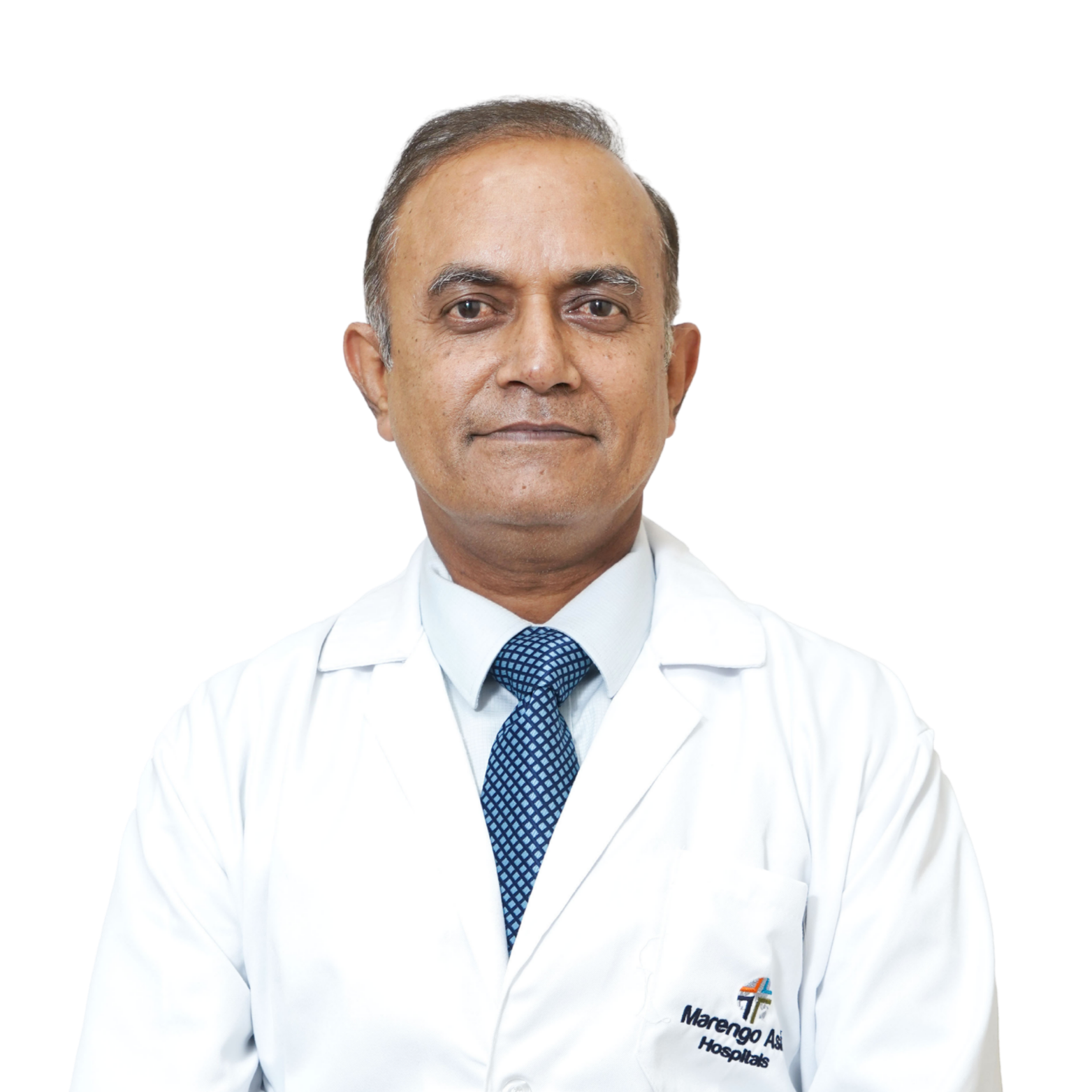
Cardiac Sciences, Cardiac Surgery, Heart Transplant Clinical Director...
FIND OUT MOREDr. Devananda N.S
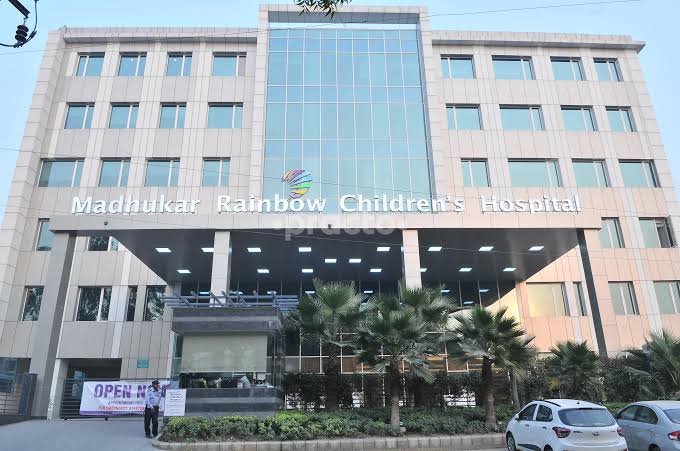
Cardiothoracic and Vascular Surgery Head of Department &...
FIND OUT MORETop Hospitals
Hospitals for Cardiology
Amrita Hospital Faridabad
Metro Heart Institute with Multispeciality Established in 2002...
READ MOREMetro Heart Institute
Metro Heart Institute with Multispeciality Established in 2002...
READ MOREParas Hospital Gurgaon
Established in 2007, Artemis Hospitals was founded to...
READ MORECK Birla Hospital,
The CK Birla Hospital is a NABH accredited,...
READ MOREPopular Packages
Our Services
Advanced Cardiac Risk Profile
ECG, Echo, TMT, lipid profile, sugar tests & specialist review.
Post-Heart Attack Monitoring Plan
Regular follow-up visits, medication review & rehab guidance.
Comprehensive Heart & Lifestyle Program
Risk assessment, diet counselling, exercise planning & stress management support.
SERVICES AT ONE GLANCE
How can we
Help you?
We help patients at every stage of heart care—from early risk screening and diagnosis to emergency treatment, advanced procedures, and long-term follow-up. Our goal is to support not only the heart but also the person behind it, with clear guidance and practical lifestyle support.
BOOK WITHIN MINUTES
Consult Our Cardiology Experts
Select a cardiologist, choose a suitable time, and book your appointment in just a few steps to get a clear understanding of your heart health and the best way forward.
FAQ
Heart surgery in India costs between $3,000 and $7,200 depending on the procedure. CABG (bypass surgery) ranges from $3,000 to $7,230, angioplasty with stent placement costs $540 to $2,650, and valve repair or replacement ranges from $2,170 to $5,780. These costs include hospital charges, surgeon fees, medicines, and post-operative care for the standard stay duration.
India’s top cardiac hospitals report success rates of 95% to 99% for CABG surgery, 97% to 99% for angioplasty, and 95% to 98% for valve replacement procedures. These outcomes are comparable to leading cardiac centres in the US, UK, and Germany, and are backed by internationally accredited hospitals and experienced cardiologists who perform thousands of procedures annually.
Recovery depends on the procedure. After angioplasty, most patients resume normal activities within 3 to 7 days. CABG patients typically need 6 to 8 weeks for full recovery. Valve replacement surgery requires 8 to 12 weeks. India’s hospitals provide structured cardiac rehabilitation programs including physiotherapy, diet counselling, and follow-up consultations to support a smooth recovery.
India’s top cardiology hospitals include Manipal Hospital (Delhi and Bangalore), BLK-Max Super Speciality Hospital, Max Super Speciality Hospital (Saket, Delhi), Fortis Escorts Heart Institute, Apollo Hospitals, and Narayana Health. These hospitals are JCI or NABH accredited, have advanced cath labs and hybrid operating theatres, and are led by internationally trained cardiologists.
Yes, international patients need a medical visa to travel to India for heart treatment. You will need a letter from the Indian hospital confirming your treatment plan, a recommendation from your home country doctor, and valid passport documentation. My Cure Pathway assists with the entire visa process, including documentation, hospital appointment letters, and travel coordination.
Angioplasty is a minimally invasive procedure where a balloon or stent is inserted through a small incision to open a blocked artery. It is suitable for one or two blockages and offers faster recovery. Bypass surgery (CABG) is an open-heart procedure where a healthy blood vessel is grafted to create a new route around the blocked artery. It is recommended for multiple blockages or severe coronary artery disease.
Yes, My Cure Pathway offers free online second opinions. You can share your medical reports, echocardiograms, angiography reports, and previous prescriptions through our platform. Our panel of experienced cardiologists will review your case, provide a detailed assessment, and recommend the most appropriate treatment plan with estimated costs before you travel.
Carry all medical records including recent ECG, echocardiogram, angiography reports, blood test results, current medication list, and allergy information. Bring a valid passport, medical visa, hospital appointment confirmation, and travel insurance documents. My Cure Pathway provides a complete pre-travel checklist and helps coordinate airport pickup, hospital transfers, and accommodation near the hospital.
Reputable hospitals in India provide transparent cost estimates before treatment. The quoted price typically includes surgeon fees, hospital stay, operating room charges, anaesthesia, medicines, and basic post-operative care. Additional costs may apply for extended hospital stays, specialised implants, or unexpected complications. My Cure Pathway ensures you receive a detailed cost breakdown before confirming your treatment.
After angioplasty, patients can usually fly within 2 to 3 days. After CABG or valve replacement, doctors recommend waiting 4 to 6 weeks before long-distance travel. Your cardiologist will assess your recovery and provide a fitness-to-fly certificate. Many international patients stay in India for 2 to 3 weeks post-surgery for follow-up consultations and cardiac rehabilitation before returning home.