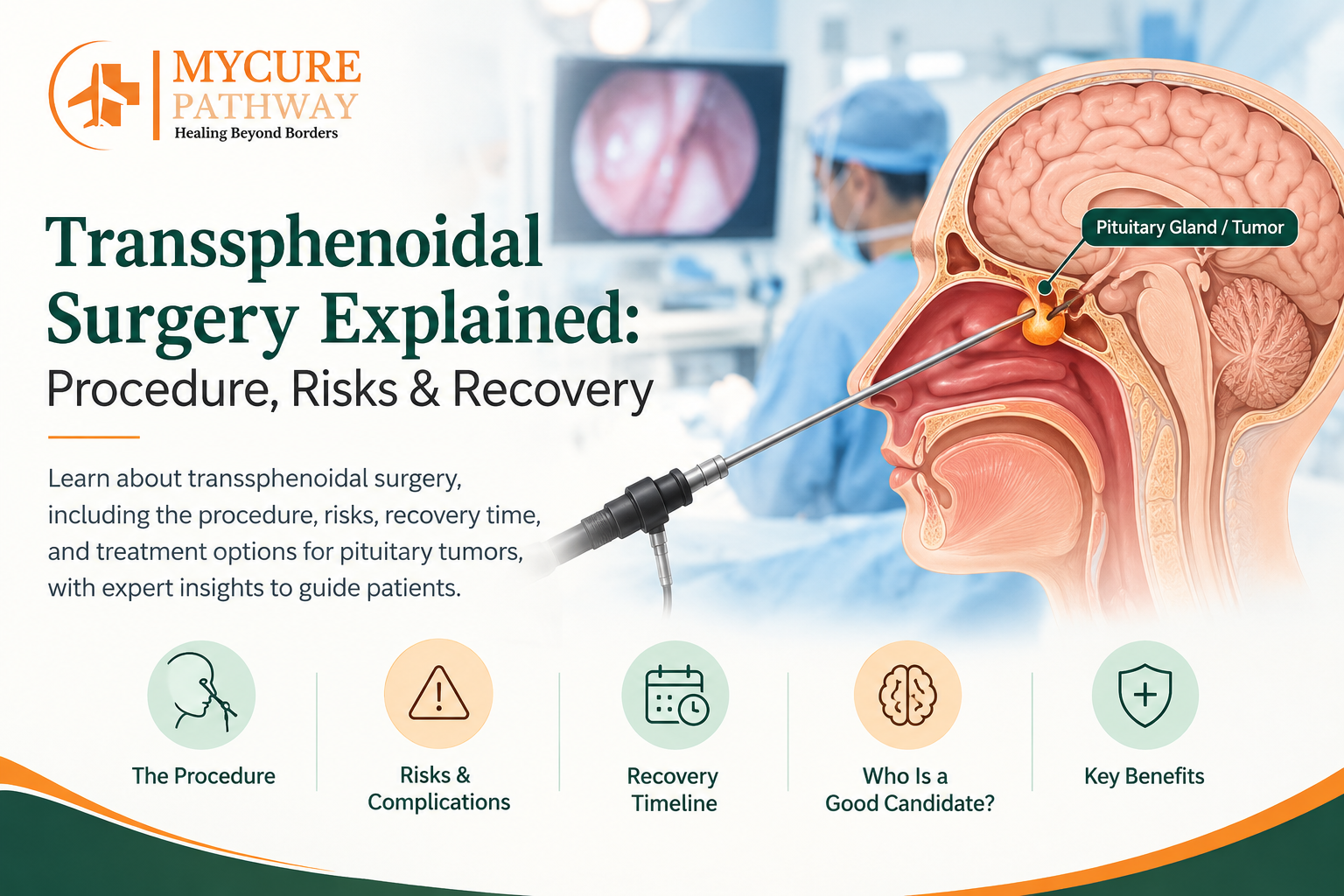
Transsphenoidal surgery is a specialized neurosurgical procedure used to access and treat certain conditions at the base of the brain, particularly pituitary gland tumors. Unlike traditional brain surgery, which may require opening the skull, this technique allows surgeons to reach the pituitary gland through the nose and the sphenoid sinus. It is commonly performed to remove pituitary adenomas and other selected lesions located near the pituitary gland.
For patients diagnosed with a pituitary tumor, understanding the procedure, potential complications, and recovery process can help them prepare for treatment and make informed decisions with their medical team. Advances in endoscopic technology have made endoscopic pituitary surgery an important treatment option for appropriately selected patients. This guide explains transsphenoidal surgery, including how it works, who may need it, how patients prepare, the possible risks, and what to expect during recovery.
What Is Transsphenoidal Surgery?
Transsphenoidal surgery is a minimally invasive surgical approach that allows a neurosurgeon to reach the pituitary gland and nearby structures through the nasal passages and sphenoid sinus. The pituitary gland is a small, hormone-producing gland situated at the base of the brain. It regulates several essential functions, including growth, metabolism, reproduction, and the body’s response to stress.
The term transsphenoidal refers to passing through the sphenoid sinus, an air-filled space located behind the nose and beneath the brain.
The procedure is most frequently used to treat pituitary adenomas, which are usually noncancerous tumors arising from the pituitary gland. Depending on the tumor’s size, location, and characteristics, surgery may help remove the tumor, relieve pressure on nearby nerves, improve vision, or control excessive hormone production.
Compared with open cranial surgery, the transsphenoidal approach avoids the need to create a large opening in the skull. However, it remains a specialized operation that requires an experienced surgical team and careful postoperative monitoring.
Why Is Transsphenoidal Surgery Performed?
Doctors may recommend a transsphenoidal operation when a pituitary tumor or another suitable lesion requires surgical treatment.
The decision depends on the patient’s symptoms, hormone levels, imaging results, tumor growth, and overall health.
1. Pituitary Adenomas
Pituitary adenomas are among the most common reasons for transsphenoidal surgery. Some produce excess hormones, while others grow without producing hormones and cause symptoms by pressing on nearby structures.
Surgery may be recommended when the tumor causes significant symptoms, affects vision, or requires removal to control hormone-related complications.
2. Tumors Affecting Vision
The pituitary gland lies close to the optic nerves and the optic chiasm, where visual information from both eyes is processed. A growing tumor can compress these structures, potentially causing blurred vision, loss of peripheral vision, or other visual disturbances.
Removing the tumor may relieve this pressure. The degree of visual improvement depends on how severely and how long the nerves have been affected.
3. Hormone-Producing Tumors
Some pituitary tumors produce excessive amounts of hormones. Depending on the tumor type, these hormones may cause conditions such as acromegaly or Cushing disease.
Surgery may help reduce abnormal hormone production or achieve biochemical remission. The results vary according to the tumor’s size, location, and biological characteristics. Some patients may still require medication or additional treatment.
4. Other Selected Lesions
In certain cases, surgeons use the transsphenoidal approach to treat other lesions near the pituitary gland, including selected craniopharyngiomas, Rathke’s cleft cysts, and other sellar or parasellar abnormalities.
Not every lesion in this region is suitable for this technique. The treating team determines the most appropriate approach after reviewing imaging and clinical findings.
Types of Transsphenoidal Surgery
The procedure can be performed using different surgical techniques. The choice depends on the tumor’s characteristics, the surgeon’s expertise, and the available technology.
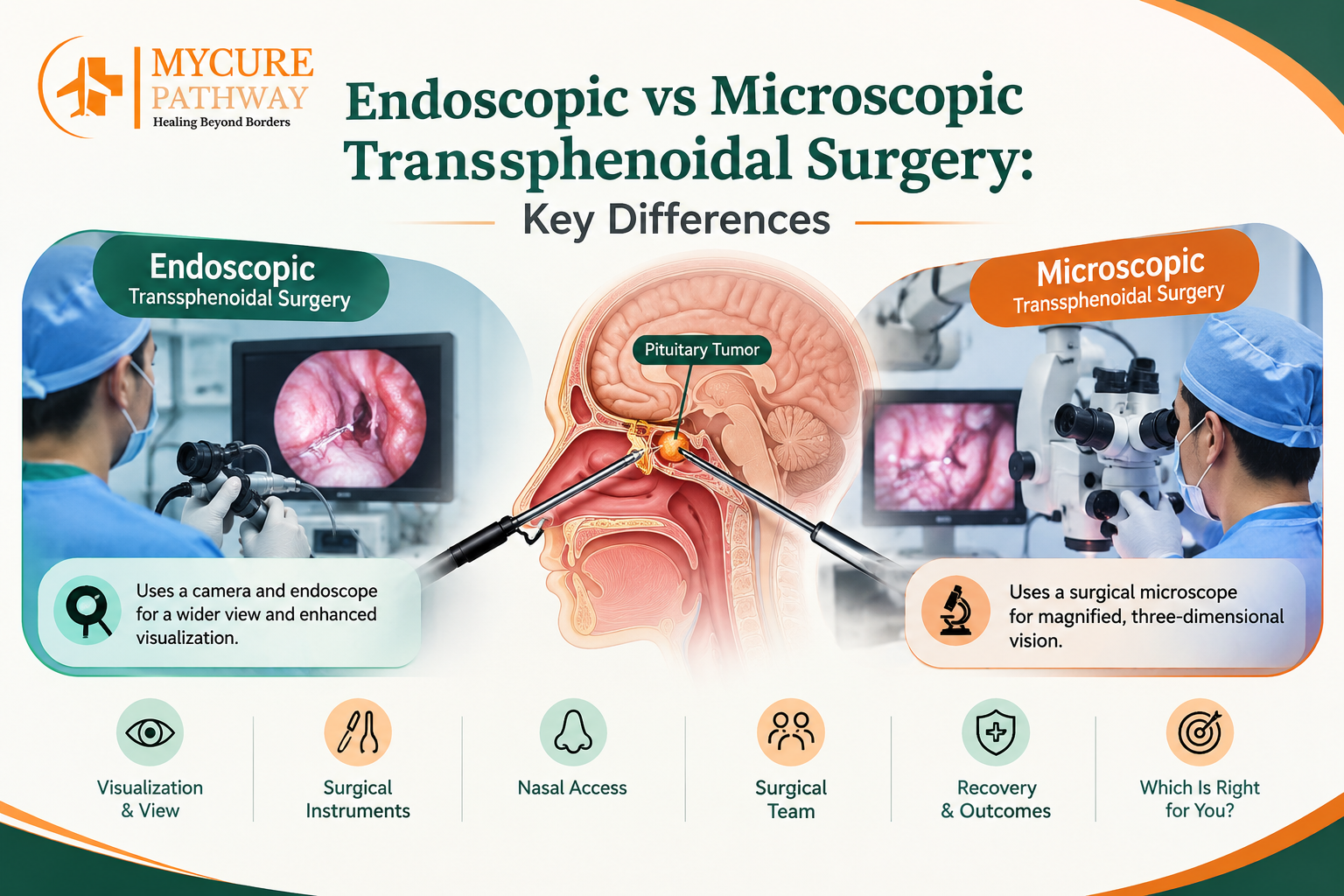
1. Microscopic Transsphenoidal Surgery
In microscopic surgery, the surgeon uses a surgical microscope to visualize the operative area through the nasal corridor. Specialized instruments are used to access the sphenoid sinus and reach the pituitary gland.
This technique has been used for many years and remains appropriate in selected cases. However, the microscope provides a different field of view from an endoscope, which may influence the surgeon’s choice for particular tumor locations.
2. Endoscopic Pituitary Surgery
Endoscopic pituitary surgery uses a thin endoscope with a camera and light source to provide a magnified view of the surgical area. The endoscope is introduced through the nostril, allowing the surgeon to visualize the pituitary region on a monitor.
Depending on the case, the procedure may involve an endoscopic approach through one or both nostrils, with assistance from an ear, nose, and throat (ENT) surgeon.
Potential advantages include improved visualization of certain anatomical areas, avoidance of a large skull opening, and reduced disruption of surrounding tissues compared with some traditional approaches.
Although it is often described as minimally invasive, endoscopic surgery is still a major procedure requiring specialized training and careful postoperative care.
How Is Transsphenoidal Surgery Performed?
The exact steps vary according to the tumor’s size, location, and relationship with nearby structures. Most procedures follow a similar sequence.
Step 1: Preoperative Evaluation
Before surgery, the patient undergoes a comprehensive medical assessment. This may include magnetic resonance imaging (MRI), blood tests to evaluate pituitary hormone levels, visual field testing, and other investigations as needed.
Doctors review the patient’s medications, existing medical conditions, and anesthesia risks. An endocrinologist may also assess whether the tumor is affecting hormone production.
Step 2: General Anesthesia
Transsphenoidal surgery is usually performed under general anesthesia. The patient remains unconscious and does not feel pain during the operation.
The surgical team positions the patient appropriately and prepares the nasal area for the procedure.
Step 3: Access Through the Nasal Passage
During an endoscopic procedure, the surgeon introduces an endoscope and specialized instruments through the nostril or nostrils. The instruments are carefully guided toward the sphenoid sinus.
In some cases, the surgeon may need to make additional space within the nasal corridor to reach the target safely.
Step 4: Reaching the Pituitary Gland
The surgeon opens the sphenoid sinus and accesses the area containing the pituitary gland, known as the sella turcica.
The transsphenoidal approach provides access to the tumor without requiring a conventional opening through the skull.
Step 5: Removing the Tumor
Using specialized instruments and endoscopic visualization, the surgeon removes the tumor or as much of it as can be safely removed.
The aim is to treat the condition while protecting nearby structures, including the optic nerves, normal pituitary tissue, and major blood vessels.
Complete removal may not be possible if the tumor extends into surrounding structures or is closely attached to critical anatomy. In such cases, the surgeon may recommend leaving a small portion behind and considering observation, medication, radiation therapy, or further treatment when appropriate.
Step 6: Closing the Surgical Area
After tumor removal, the surgeon checks the operative area for bleeding and assesses whether cerebrospinal fluid (CSF) is leaking.
If necessary, the surgical opening is repaired using appropriate tissue grafts or other reconstruction techniques. The choice depends on the size of the opening and the presence of a CSF leak.
Step 7: Postoperative Monitoring
Following surgery, the patient is transferred to a recovery area and monitored closely. The medical team checks neurological function, fluid balance, urine output, electrolyte levels, and pituitary hormone function.
Hospital monitoring helps identify complications early and supports safe recovery.
How Long Does Transsphenoidal Surgery Take?
The duration of transsphenoidal surgery varies according to the complexity of the case.
Many procedures take approximately two to four hours, although more complicated operations may take longer. The overall time at the hospital will also include anesthesia, preparation, and postoperative observation.
Hospital stays vary as well. Some patients are discharged within one or two days, while others require several additional days of monitoring depending on their medical condition, surgical findings, and recovery progress.
These timeframes are general estimates rather than guarantees.
What Are the Risks of Transsphenoidal Surgery?
Understanding transsphenoidal surgery risks is an important part of treatment planning. Although the procedure is generally considered safe when performed by an experienced team, complications can occur.
The likelihood of a complication depends on the tumor’s size and location, the patient’s health, previous treatment, and the complexity of surgery.
1. Cerebrospinal Fluid Leak
Cerebrospinal fluid surrounds and protects the brain and spinal cord. If the protective tissues are opened during surgery, fluid may leak through the surgical area into the nose.
Some leaks resolve with treatment, while others require another procedure to repair the opening. A persistent CSF leak increases the risk of meningitis and requires prompt medical attention.
2. Hormonal Imbalances
Because the pituitary gland regulates several hormones, surgery may affect its normal function.
Some patients develop temporary or permanent pituitary hormone deficiencies and require hormone replacement medication. Depending on the affected hormones, treatment may include corticosteroids, thyroid hormone, or other prescribed medications.
3. Diabetes Insipidus
Damage or temporary disturbance involving the system that regulates antidiuretic hormone can cause diabetes insipidus, now also called arginine vasopressin deficiency.
This condition can lead to excessive urination, intense thirst, dehydration, and changes in blood sodium levels. Some cases resolve, while others require medication and ongoing monitoring.
4. Bleeding and Infection
Bleeding can occur during or after surgery. Infection is another possible complication, although serious infections are uncommon.
Because the surgical area is close to the brain and its protective coverings, symptoms such as fever, worsening headache, neck stiffness, or unusual nasal drainage require prompt medical evaluation.
5. Vision Problems
The optic nerves and other visual structures are located near the pituitary gland. Although surgery may improve vision when a tumor compresses these structures, damage to nearby nerves can occasionally cause new or worsening visual problems.
6. Nasal Symptoms
Patients may experience nasal congestion, crusting, reduced sense of smell, or mild discomfort following surgery. These symptoms often improve during recovery, although some patients need additional treatment or follow-up with an ENT specialist.
7. Incomplete Tumor Removal or Recurrence
A tumor may not be completely removable because of its size or extension into nearby structures. Even after apparently successful surgery, some pituitary tumors can grow again over time.
Follow-up MRI scans, hormone testing, and specialist appointments help monitor for residual or recurrent disease.
Patients should discuss their individual risk profile with their neurosurgeon before making a treatment decision.
Recovery After Transsphenoidal Surgery
Recovery after transsphenoidal surgery occurs in stages. The timeline depends on the extent of the operation, the patient’s overall health, and whether complications develop.
The First 24–48 Hours
During the initial recovery period, the medical team monitors neurological function, hormone levels, fluid balance, and urine output.
Patients may experience nasal congestion, mild headaches, fatigue, or discomfort around the nose. These symptoms are often manageable with prescribed treatment.
Some patients undergo blood tests to monitor sodium levels and pituitary function. Doctors may also assess whether the patient can drink fluids, eat normally, and walk safely before discharge.
The First One to Two Weeks
During the first few weeks, patients should follow their surgeon’s instructions carefully. Nasal congestion and tiredness may persist for a while.
Patients are often advised to avoid activities that increase pressure in the nose and head. Depending on the procedure, restrictions may include:
- Avoiding forceful nose blowing.
- Sneezing with the mouth open rather than suppressing a sneeze.
- Avoiding heavy lifting and strenuous exercise.
- Avoiding straining during bowel movements.
- Following specific instructions about bending, bathing, and nasal care.
Patients should not use nasal sprays, perform nasal rinses, or insert anything into the nose unless their treating team has approved it.
Weeks Two to Six
Many patients gradually return to their normal daily activities over the following weeks. The timing depends on symptoms, the nature of their work, and the surgeon’s recommendations.
Follow-up appointments may include an examination, hormone testing, and assessment of nasal healing. Some patients need continued endocrine treatment or further evaluation of their vision.
Long-Term Recovery
Complete recovery may take several weeks or longer. Patients with large tumors, hormone deficiencies, or postoperative complications may need a more extended recovery period.
Long-term monitoring is particularly important because pituitary hormone changes can develop after discharge, and some tumors require continued surveillance.
What Should Patients Avoid After Surgery?
Following postoperative instructions is essential for healing and preventing complications.
Patients are generally advised to avoid forceful nose blowing, heavy lifting, strenuous exercise, and activities that may increase pressure within the nasal passages until their surgeon confirms they are safe.
Air travel, swimming, and other activities may also need to be postponed depending on the surgical findings and recovery progress. Patients should obtain individualized advice rather than relying on a fixed timetable.
Seek urgent medical attention if any of the following occur:
- Clear, watery fluid continuously dripping from the nose.
- Severe or rapidly worsening headache.
- New or worsening vision changes.
- Fever with neck stiffness or severe headache.
- Excessive thirst accompanied by unusually frequent urination.
- Confusion, marked drowsiness, repeated vomiting, or significant weakness.
These symptoms may indicate a complication and should not be ignored.
Who Is a Suitable Candidate for Transsphenoidal Surgery?
Transsphenoidal surgery may be appropriate for patients with selected pituitary tumors or other lesions that can be safely reached through the nasal and sphenoid sinus corridor.
Suitability depends on several factors:
- Tumor type: The diagnosis and biological behavior of the lesion.
- Tumor size and location: Whether the tumor can be safely accessed through the transsphenoidal route.
- Symptoms: Vision problems, hormone excess, headaches attributable to the lesion, or other relevant findings.
- Hormonal status: Whether the pituitary gland is functioning normally.
- Overall health: The patient’s ability to undergo anesthesia and surgery.
- Previous treatment: Earlier surgery or radiation may affect the operative plan.
Not all pituitary tumors require surgery. Some small, nonfunctioning tumors can be monitored, while certain hormone-producing tumors may respond to medication. The appropriate treatment should be decided by a multidisciplinary team based on the patient’s diagnosis and clinical circumstances.
Transsphenoidal Surgery vs. Traditional Brain Surgery
The main difference between the transsphenoidal approach and traditional open brain surgery is how the surgeon reaches the affected area.
Transsphenoidal surgery uses the nasal passages and sphenoid sinus to access selected lesions at the skull base. Traditional cranial surgery may require an opening in the skull to reach tumors that cannot be safely accessed through the nose.
The transsphenoidal approach can reduce the need for a large external incision and may allow a shorter recovery for appropriately selected patients. However, it is not suitable for every tumor, particularly those whose location or extension makes another surgical route safer.
The best approach depends on the tumor’s anatomy, its relationship with important blood vessels and nerves, and the surgeon’s assessment.
Cost of Transsphenoidal Surgery in India
The cost of transsphenoidal surgery in India varies according to the hospital, surgeon’s expertise, tumor complexity, surgical technique, length of hospital stay, and need for intensive monitoring.
Other factors that may affect the total cost include diagnostic imaging, hormone investigations, anesthesia, medications, postoperative consultations, and treatment of any complications.
International patients should request a personalized estimate from the hospital after submitting their MRI reports, medical history, hormone test results, and other relevant records. The quotation should clarify what is included and whether follow-up investigations or medications are charged separately.
Patients considering treatment in India can consult MyCurePathway for assistance with medical coordination, hospital communication, treatment estimates, and travel planning. The final treatment plan and clinical decisions should remain with the qualified treating specialists.
Frequently Asked Questions About Transsphenoidal Surgery
1. Is transsphenoidal surgery considered brain surgery?
Yes. It is a specialized neurosurgical procedure used to treat selected conditions near the base of the brain, particularly pituitary tumors. However, the surgeon reaches the affected area through the nose and sphenoid sinus rather than through a conventional opening in the skull.
2. Is transsphenoidal surgery painful?
The operation is performed under general anesthesia, so patients do not feel pain during the procedure. Mild headaches, nasal congestion, and discomfort may occur afterward and are generally managed with prescribed medication.
3. How long does it take to recover from transsphenoidal surgery?
Many patients resume light activities within a few weeks, but complete recovery may take several weeks or longer. The timeline depends on the tumor, the extent of surgery, hormone function, and the presence of complications.
4. Can a pituitary tumor return after transsphenoidal surgery?
Yes. Some tumors may recur or continue growing if a portion remains after surgery. Regular MRI scans, hormone tests, and specialist follow-up help detect residual or recurrent disease.
5. Is endoscopic pituitary surgery safer than traditional surgery?
Endoscopic pituitary surgery offers excellent visualization and avoids a large skull opening in appropriately selected cases. However, no surgical approach is risk-free. The safest technique depends on the patient’s anatomy, tumor characteristics, and the expertise of the treating team.
Conclusion
Transsphenoidal surgery is an important treatment option for selected pituitary tumors and other lesions near the base of the brain. By accessing the surgical area through the nose and sphenoid sinus, surgeons can treat certain conditions without the need for a conventional skull opening.
Understanding the transsphenoidal operation, its potential risks, and the recovery process helps patients prepare for treatment and recognize warning signs that require medical attention. Careful preoperative evaluation, experienced neurosurgical care, and regular follow-up are essential for achieving the best possible outcome.
Patients diagnosed with a pituitary tumor should discuss all appropriate treatment options with a qualified neurosurgeon and endocrinologist. For international patients exploring treatment in India, MyCure Pathway can help coordinate hospital consultations and treatment planning so that patients can make informed decisions with their medical team.