Obesity is a complex health condition that can affect mobility, heart health, blood sugar levels, sleep quality, and overall quality of life. For people who have struggled to achieve sustainable weight loss through diet, exercise, and medical management, bariatric surgery may be an option worth discussing with a qualified specialist.
However, bariatric surgery is not suitable for everyone. A person’s body mass index (BMI), obesity-related health conditions, previous weight-loss attempts, nutritional status, and readiness to follow long-term lifestyle changes all help determine whether surgery is appropriate.
Understanding Bariatric Surgery Eligibility in India can help patients and families make informed decisions before scheduling a consultation. India offers access to bariatric surgeons, multidisciplinary obesity-care teams, and different weight-loss procedures, including gastric sleeve surgery and gastric bypass. The right treatment depends on the patient’s individual health profile, not weight alone.
This guide explains the bariatric surgery BMI criteria in India, important medical considerations, common eligibility requirements, and the steps patients can take to explore treatment.
What Is Bariatric Surgery?
Bariatric surgery, also known as weight-loss surgery or metabolic surgery, includes surgical procedures designed to help people with obesity lose weight and improve certain weight-related health conditions.
These procedures generally work by changing the size of the stomach, altering the digestive pathway, or combining both approaches. Depending on the procedure, surgery may help patients feel full sooner, reduce the amount of food they can comfortably eat, and influence metabolic processes involved in appetite and blood sugar regulation.
Common bariatric procedures include:
- Sleeve gastrectomy (gastric sleeve): A large portion of the stomach is removed, leaving a smaller, sleeve-shaped stomach.
- Roux-en-Y gastric bypass: A small stomach pouch is created and connected to the small intestine through a modified digestive route.
- Other metabolic procedures: Selected patients may be considered for other operations based on their BMI, medical conditions, previous surgeries, and specialist assessment.
Bariatric surgery is not a cosmetic shortcut or a guaranteed solution. It is a medical treatment that requires careful evaluation, preparation, nutritional monitoring, and long-term follow-up.
Who Is Eligible for Bariatric Surgery in India?
Bariatric surgery may be considered for adults with obesity who meet accepted clinical criteria and are medically suitable for an operation. Eligibility is assessed using several factors, including BMI, existing health conditions, previous treatment efforts, and the potential benefits and risks of surgery.
In India, the 2022 Indian Council of Medical Research (ICMR) National Institute of Nutrition guidelines and professional bariatric practice recommendations provide important context for obesity management. The exact eligibility decision should be made by a qualified bariatric team using current clinical guidance and the patient’s individual circumstances.
1. Adults With a High BMI
BMI is one of the first measurements used to assess bariatric surgery eligibility. It compares a person’s weight with their height and helps classify weight-related health risk.
BMI is calculated using the following formula:
BMI = Weight in kilograms ÷ (Height in metres × Height in metres)
For example, an adult weighing 100 kg with a height of 1.65 metres has a BMI of approximately 36.7.
A high BMI can indicate that obesity-related health risks are increasing, but BMI alone does not establish whether surgery is appropriate.
2. People With Obesity-Related Health Conditions
Patients who have obesity alongside medical conditions such as type 2 diabetes, high blood pressure, obstructive sleep apnoea, or fatty liver disease may benefit from a specialist evaluation.
Some of these conditions can improve following substantial weight loss and metabolic surgery. However, the degree of improvement varies, and surgery does not guarantee that every condition will resolve.
3. People Who Have Not Achieved Sustainable Weight Loss
Some patients experience repeated cycles of weight loss and regain despite structured dietary changes, physical activity, behavioural support, or medication prescribed by a clinician.
For appropriately selected patients, bariatric surgery may be considered as part of a comprehensive, long-term obesity-management plan. A history of previous weight-loss attempts is important, but patients should not assume that they must exhaust every possible treatment before seeking a specialist opinion.
4. Patients Ready for Long-Term Follow-Up
Successful bariatric treatment involves more than the operation itself. Patients must be willing and able to attend follow-up appointments, follow dietary instructions, take recommended supplements, and monitor their health over time.
A patient’s understanding of these responsibilities is an important part of the eligibility assessment.
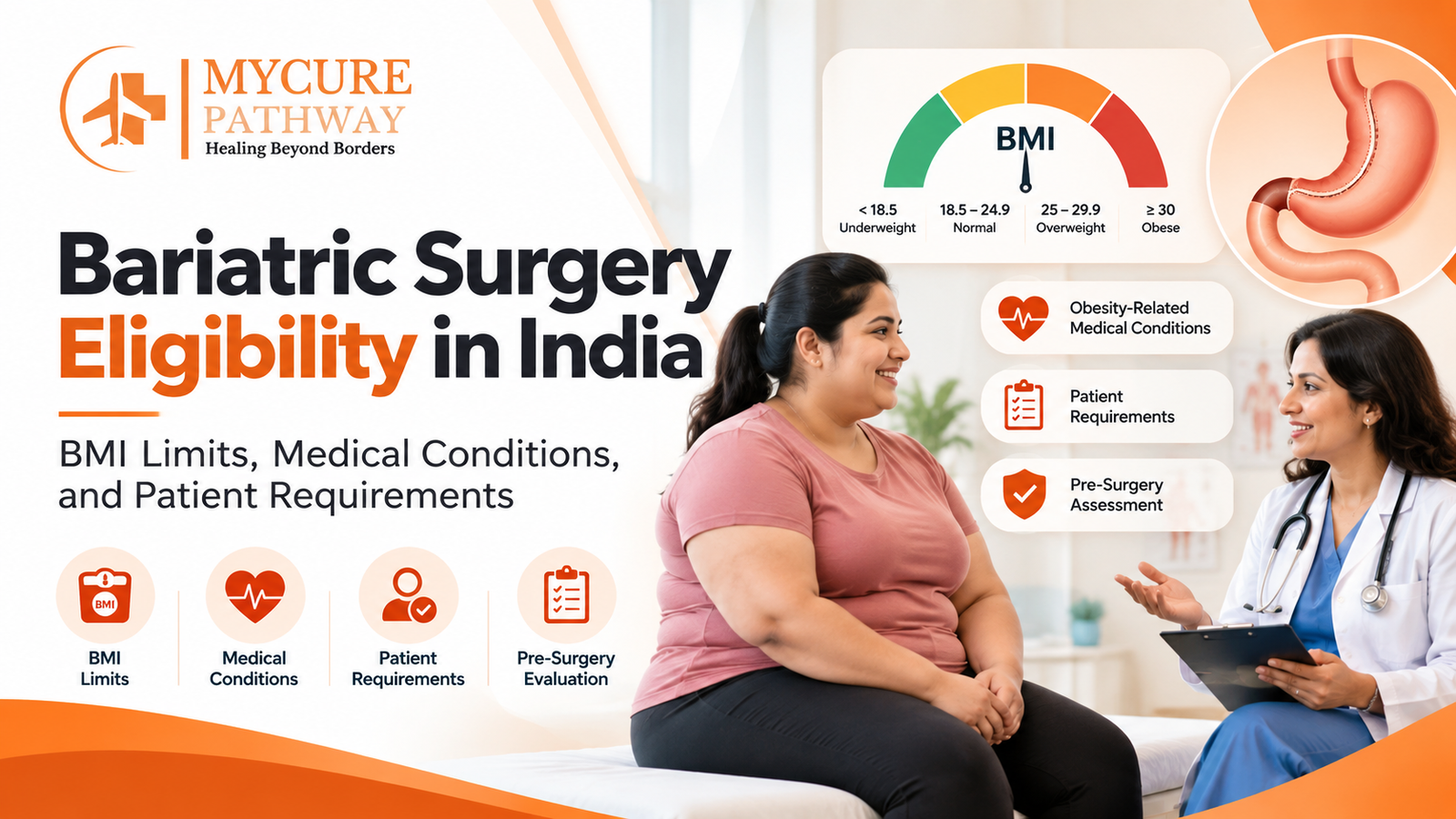
Bariatric Surgery BMI Criteria India: What BMI Is Required?
The bariatric surgery BMI criteria India patients encounter can vary according to the clinical guideline being followed, the presence of obesity-related conditions, and the surgeon’s assessment.
The following table provides a general overview of BMI categories and how they may relate to a bariatric consultation.
| BMI range | General interpretation | Possible next step |
| Below 25 | Generally within the standard healthy-weight range | Bariatric surgery is not ordinarily indicated |
| 25–29.9 | Overweight | Assess health risks and consider appropriate weight-management options |
| 30–34.9 | Class I obesity | Individualised evaluation may be appropriate, particularly with metabolic disease or other relevant clinical factors |
| 35–39.9 | Class II obesity | Bariatric surgery assessment may be appropriate, especially with obesity-related conditions |
| 40 or above | Class III obesity | Commonly meets BMI-based criteria for a bariatric surgery evaluation, subject to medical suitability |
Important: These categories are a general clinical overview, not a universal surgical eligibility rule. Indian and international recommendations differ in their BMI thresholds and the circumstances in which surgery is considered. Some professional guidelines support metabolic surgery for selected patients with a BMI of 30–34.9, particularly when metabolic disease is inadequately controlled. Lower BMI thresholds may also be relevant for some Asian populations because metabolic risk can develop at lower BMI levels.
A bariatric surgeon should confirm which criteria apply to the individual patient.
Can Someone With a BMI Below 35 Have Bariatric Surgery?
In selected circumstances, yes. Some people with a BMI below 35 may be considered for metabolic surgery, particularly when they have type 2 diabetes or other significant metabolic health problems that remain inadequately controlled despite appropriate non-surgical treatment.
This does not mean that everyone with a BMI of 30 or higher qualifies. The assessment must consider the severity of the condition, previous treatment, expected benefits, surgical risks, and the suitability of alternative options.
For this reason, patients should avoid relying on a single online BMI calculator or a general eligibility chart to make a treatment decision.
How Do Health Conditions Affect Weight Loss Surgery Eligibility?
BMI is important, but the patient’s overall health can influence both eligibility and the choice of procedure.
Type 2 Diabetes
Obesity and type 2 diabetes frequently occur together. Metabolic surgery can improve blood sugar control in appropriately selected patients and may reduce the need for some diabetes medications.
The likelihood of diabetes improvement depends on factors such as disease duration, pancreatic function, current treatment, and the procedure selected. Patients should continue diabetes management under medical supervision before and after surgery.
High Blood Pressure and Heart Disease
Obesity can increase cardiovascular strain and contribute to high blood pressure and other heart-related risks.
A specialist may recommend a cardiac assessment before surgery, particularly for patients with established heart disease, poorly controlled blood pressure, or other cardiovascular risk factors. The surgical team must determine whether the expected benefits outweigh the risks.
Obstructive Sleep Apnoea
Obstructive sleep apnoea causes repeated interruptions in breathing during sleep and is associated with obesity. Symptoms may include loud snoring, daytime sleepiness, morning headaches, and unrefreshing sleep.
Weight loss may improve sleep apnoea in some patients. However, patients with diagnosed sleep apnoea may need additional precautions during anaesthesia and recovery, including continued use of prescribed positive airway pressure therapy.
Fatty Liver Disease
Excess body fat can contribute to metabolic dysfunction-associated steatotic liver disease, commonly called fatty liver disease.
Weight reduction may improve liver health in many patients. However, advanced liver disease can increase surgical risk and requires careful specialist assessment before any procedure is considered.
Joint Pain and Mobility Problems
Excess body weight can place additional stress on the knees, hips, and lower back. Patients who experience joint pain or reduced mobility may find exercise difficult, creating a challenging weight-management cycle.
Bariatric surgery may help reduce this burden through sustained weight loss, but an orthopaedic or other specialist assessment may also be appropriate depending on the patient’s condition.
Other Conditions That Require Assessment
The bariatric team may also review:
- Gastro-oesophageal reflux disease (GERD).
- Polycystic ovary syndrome (PCOS) and related metabolic concerns.
- High cholesterol and abnormal blood lipid levels.
- Kidney disease and other chronic medical conditions.
- Nutritional deficiencies, including iron, vitamin B12, vitamin D, and folate deficiencies.
These conditions do not automatically qualify or disqualify a patient. Their severity and management can affect the choice and timing of surgery.
Bariatric Surgery Requirements Before the Operation
Meeting a BMI threshold does not mean a patient can proceed directly to surgery. A structured evaluation helps identify risks, prepare the patient, and establish a suitable treatment plan.
Common bariatric surgery requirements include the following.
1. Consultation With a Qualified Bariatric Surgeon
The surgeon reviews the patient’s weight history, medical conditions, previous treatments, medications, and expectations. The consultation also provides an opportunity to discuss the benefits, limitations, risks, and alternatives to surgery.
2. Medical and Diagnostic Evaluation
Depending on the patient’s circumstances, assessments may include blood tests, blood sugar testing, liver and kidney function tests, an ECG, and other investigations.
Additional examinations, such as an upper gastrointestinal endoscopy, sleep study, or cardiac assessment, may be recommended when clinically indicated.
3. Nutritional Assessment
A registered dietitian or qualified nutrition professional evaluates the patient’s eating habits, nutritional status, and ability to follow the recommended post-operative diet.
Patients may need to correct nutritional deficiencies before surgery. They also need to understand the staged dietary progression after the operation, from liquids to soft foods and eventually to suitable solid foods.
4. Psychological and Behavioural Assessment
Eating patterns, emotional triggers, mental health, substance use, and expectations may be reviewed as part of the evaluation.
This assessment is intended to identify support needs and help patients prepare for long-term changes. A mental health condition does not automatically exclude someone from surgery; the key consideration is whether the person can participate safely in treatment and receive appropriate support.
5. Review of Medications and Existing Conditions
The medical team reviews prescription medicines, supplements, allergies, previous operations, and existing medical conditions. Some medicines may require adjustments around the time of surgery, but patients should never change or stop prescribed treatment without medical advice.
6. Commitment to Long-Term Follow-Up
Patients must understand that bariatric surgery requires ongoing monitoring. Follow-up may include weight checks, nutritional blood tests, supplement reviews, and support for any complications or weight regain.
Requirements vary between hospitals and patients, so a personalised checklist should be obtained from the treating team.
Who May Not Be Suitable for Bariatric Surgery?
Some people may need additional treatment or stabilisation before surgery, while others may be advised to consider alternative approaches.
Factors that can affect suitability include:
- Uncontrolled medical conditions that make anaesthesia or surgery unsafe.
- Certain active substance-use problems.
- Untreated or inadequately managed psychological conditions that significantly affect treatment safety or adherence.
- Inability to participate in essential post-operative care and follow-up.
- Severe nutritional deficiencies that have not been addressed.
- Pregnancy or plans for pregnancy in the immediate post-operative period, requiring specialist counselling and timing considerations.
These factors do not all represent permanent exclusions. Many can be managed with appropriate support, treatment, or a change in timing.
The final decision should be made by the multidisciplinary bariatric team after considering the patient’s circumstances, safety, and informed preferences.
Gastric Sleeve Eligibility: Who Can Consider This Procedure?
Gastric sleeve surgery, also known as sleeve gastrectomy, is one of the most commonly discussed bariatric procedures.
Gastric sleeve eligibility depends on the patient’s BMI, obesity-related conditions, medical fitness, digestive health, and ability to follow long-term nutritional guidance.
A sleeve gastrectomy may be considered for patients who meet the relevant criteria for metabolic surgery and whose clinical profile makes the procedure appropriate.
Before recommending it, the surgeon may assess:
- The degree of obesity and associated health risks.
- The presence and severity of acid reflux or GERD.
- Previous abdominal or bariatric operations.
- Nutritional status and eating patterns.
- Diabetes and other metabolic conditions.
- The patient’s understanding of permanent anatomical changes and follow-up requirements.
One important consideration is reflux disease. Sleeve gastrectomy can cause or worsen reflux in some patients, so those with significant GERD may need to discuss alternative procedures, including gastric bypass, where appropriate.
The choice between a gastric sleeve, gastric bypass, or another treatment should be based on an individual clinical assessment rather than cost or popularity alone.
How to Prepare for a Bariatric Surgery Consultation in India
Patients planning to explore Bariatric Surgery Eligibility in India can make their first consultation more productive by preparing relevant medical information.
Consider bringing:
- Recent weight and height measurements: These help the specialist calculate BMI.
- Medical history: Include diabetes, high blood pressure, sleep apnoea, previous operations, and other chronic conditions.
- Medication list: Include prescription medicines, vitamins, herbal products, and supplements.
- Previous weight-loss records: Share information about supervised diets, exercise programmes, medications, or other interventions.
- Available medical reports: Recent blood tests, imaging, sleep studies, and specialist notes may be useful.
- Questions about treatment: Ask about procedure options, recovery, expected outcomes, risks, follow-up, and total treatment costs.
Patients travelling to India from another country should also ask the hospital about the process for sharing medical records, obtaining an initial opinion, arranging an in-person assessment, and planning follow-up after returning home.
An online assessment can help establish whether a specialist consultation is worthwhile, but it cannot replace a full medical examination or guarantee surgical eligibility.
Why Consider Bariatric Surgery in India?
India is a destination some international patients consider for bariatric treatment because it offers specialist hospitals, experienced surgical teams, diagnostic services, and access to multidisciplinary care in major cities.
Treatment options and costs vary by hospital, surgeon, procedure, length of stay, and the patient’s medical needs. Patients should compare the full treatment plan rather than choosing solely based on an advertised package price.
Before making a decision, confirm:
- The surgeon’s qualifications and experience with the proposed procedure.
- The hospital’s surgical facilities and emergency support.
- What is included in the treatment estimate.
- The expected hospital stay and recovery arrangements.
- How nutritional monitoring and follow-up will be handled.
- What support is available if complications develop after returning home.
International patients should also plan accommodation, travel, medical documentation, visa arrangements where required, and enough time for the treating team to determine whether it is safe to travel.
A reliable medical travel plan should prioritise continuity of care, transparent communication, and patient safety.
Frequently Asked Questions About Bariatric Surgery Eligibility
1. What BMI is required for bariatric surgery in India?
A BMI of 40 or above commonly meets BMI-based criteria for surgical evaluation, while patients with a BMI of 35–39.9 may also be suitable, particularly when obesity-related health conditions are present. Selected patients with a BMI of 30–34.9 may be considered under applicable metabolic surgery guidelines. A specialist must confirm individual eligibility.
2. Can I undergo bariatric surgery if I have diabetes?
Possibly. Type 2 diabetes can be an important consideration when assessing metabolic surgery. Eligibility depends on BMI, diabetes control, other medical conditions, previous treatment, and the expected benefits and risks. Surgery does not guarantee that diabetes will go into remission.
3. Is gastric sleeve surgery suitable for everyone with obesity?
No. Gastric sleeve surgery is appropriate for selected patients after assessment of their BMI, medical history, digestive health, and ability to follow long-term care recommendations. Significant reflux disease and certain other conditions may influence the choice of procedure.
4. Do I need to try dieting and exercise before bariatric surgery?
Lifestyle management remains an essential part of obesity care. A specialist will review your previous weight-management efforts and the treatments you have tried. The specific requirements depend on current clinical guidance, your medical circumstances, and the treating hospital’s protocols.
5. Can international patients travel to India for bariatric surgery?
Yes, international patients can explore bariatric treatment in India, subject to medical suitability, applicable visa requirements, and travel arrangements. A remote medical review may be possible initially, but final eligibility and surgical clearance require assessment by the treating team. Patients should also arrange a clear post-operative follow-up plan before travelling.
Conclusion: Take the Next Step Towards Informed Weight Management
Understanding Bariatric Surgery Eligibility in India is the first step towards deciding whether surgical weight management may be appropriate. BMI, obesity-related medical conditions, previous weight-loss efforts, and readiness for long-term follow-up all contribute to the decision.
There is no single BMI number or checklist that guarantees eligibility for every patient. A qualified bariatric surgeon and multidisciplinary team can assess individual risks, explain available procedures, and recommend the most appropriate next step.
If you are considering bariatric treatment in India, prepare your medical history, gather relevant reports, and seek an evaluation from a qualified specialist before making a decision.
Explore your treatment options with MyCure Pathway. It helps international patients navigate their medical journey to India by facilitating communication with healthcare providers, coordinating treatment enquiries, and assisting with relevant travel and treatment arrangements.