
Knee Replacement in India – Advanced Surgery with International Standards
Get advanced treatment, expert surgeons, and world-class care at affordable costs. Regain mobility and live pain-free with confidence.
Related pages: Hip Replacement, Orthopaedics Treatment, and Spine Surgery Cost.
Knee pain can affect every step of your life. From climbing stairs to simple daily activities, damaged knee joints often make even the smallest tasks difficult. For patients suffering from advanced arthritis, deformities, or joint damage, Knee Replacement in India offers long-term relief and restores mobility.
India has become one of the most preferred destinations for knee replacement treatment. Patients from Dubai, Arab countries, and Africa are choosing India not just for cost savings but also for world-class hospitals, skilled surgeons, and advanced robotic surgical systems.
Understanding Knee Replacement in India
Knee replacement, also called knee arthroplasty, is a surgical procedure in which the damaged surfaces of the knee joint are replaced with artificial implants made from biocompatible materials such as titanium, cobalt-chromium alloys, and high-grade polyethylene.
There are different types of Knee Replacement in India depending on the severity of the disease. Some patients may require total replacement, while others may only need partial replacement or corrective procedures.
In short: Knee replacement (knee arthroplasty) removes damaged joint surfaces and replaces them with an artificial implant. It is recommended when arthritis or injury causes severe pain and mobility loss that no longer responds to medications or physiotherapy.
Conditions That Require Knee Replacement
Knee replacement is usually the last step after medications, physiotherapy, and injections fail to control the pain. Common conditions include:
- Osteoarthritis: The most frequent reason for knee replacement, caused by gradual wear and tear of the joint. Patients often experience stiffness, swelling, and chronic pain.
- Rheumatoid Arthritis: An autoimmune disease that damages joint lining, leading to severe pain, swelling, and deformities.
- Post-Traumatic Arthritis: Develops after a knee injury, fracture, or ligament damage that later progresses into arthritis.
- Avascular Necrosis: A condition where bone tissue dies due to poor blood supply, causing collapse of the knee joint.
- Congenital or Severe Deformities: Bow legs or knock knees that cannot be corrected by non-surgical methods.
Knee Replacement in India
Top Doctors

Dr. Aman DUA
Orthopaedics, Joint Replacement & Sports Medicine
Director
MBBS, MS, DNB, M.N.A.M.S.,
25+ Years of Experience.

Dr. Hemant Sharma
Orthopaedics
Chairman
MBBS, DNB, PLAB, MRCS, FRCS.
26+ Years of Experience.

Dr. Hemant K. Kalyan
Orthopedics
Chief of Orthopedics & Sports Medicine
MBBS, MS, DNB
30 Years of Experience.

Dr. Rajeev Verma
Orthopedics​
Chairman
MBBS, MS (Orthopedics), MRCS
20 Years of Experience.


Dr. Ishwar Bohra
Orthopaedics and Joint Replacement Surgery
Director
MBBS, MS, MCh , MAMS
24 Years of Experience.

Dr. SKS Marya
Orthopaedics & Joint Replacement
Chairman & Chief Surgeon
MBBS, MS, MCH, DNB, FRCS, DSC
38 Years of
Symptoms That Indicate You May Need Surgery
- Pain in the knee even during rest or sleep.
- Difficulty in walking, climbing stairs, or standing up from a chair.
- Limited bending or straightening of the knee joint.
- Morning stiffness or swelling around the joint.
- Grinding or cracking sound during movement.
- Visible deformity in the knee structure.
Types of Knee Replacement Surgeries
Depending on the severity of knee damage and the patient’s condition, different types of knee replacement surgeries are available to restore mobility and relieve pain.
In short: Options include total knee replacement (TKR), partial knee replacement, and revision surgery. Indian hospitals offer minimally invasive and robotic-assisted techniques (Mako, ROSA, da Vinci) for greater precision and faster recovery.
Procedure | Full Form / Name | Purpose / When It’s Done |
TKR | Total Knee Replacement | The entire knee joint (both sides of the joint surface) is replaced with artificial implants. Recommended for patients with severe arthritis affecting the whole knee. |
PKR | Partial Knee Replacement (Unicompart mental Knee Replacement) | Only the damaged part of the knee (usually medial or lateral compartment) is replaced, while healthy cartilage and ligaments are preserved. Suitable for patients with damage in just one compartment. |
Bilateral Knee Replacement | Double Knee Replacement | Both knees are replaced, either in the same surgery (simultaneous) or in two separate surgeries (staged). Recommended for patients with arthritis in both knees. |
Revision Knee Replacement | – | A second surgery performed to replace or repair a previous knee implant that has worn out, loosened, or failed. Usually done after 15–20 years or if complications arise. |
Surgical Techniques Available in India
Minimally Invasive Knee Replacement
- Performed through smaller incisions compared to traditional surgery.
- Reduces tissue damage, blood loss, and recovery time.
- Patients are usually able to walk with support within 24–48 hours.
Robotic-Assisted Knee Replacement
- Surgeons use advanced systems such as Mako Robot, ROSA Knee Robot, and da Vinci surgical system.
- Provides high precision in bone cutting and implant placement.
- Ensures longer implant life and faster recovery.
Traditional Open Surgery
- Still performed for complex or revision cases where minimally invasive surgery is not suitable.
Implants Used in Knee Replacement in India
Knee implants are designed to mimic natural movement of the joint. The materials used are biocompatible to ensure durability and safety.
- Cobalt-Chromium Alloy: Strong and durable, commonly used in total knee replacements.
- Titanium Alloy: Lightweight, corrosion-resistant, ideal for patients with metal allergies.
- Ceramic Components: Smooth and wear-resistant, sometimes combined with metal.
- Polyethylene Inserts: High-grade medical plastic used as a spacer between metal components.
Most Popular International Implant Brands in India
- Zimmer Biomet (USA)
- Johnson & Johnson – DePuy Synthes (USA)
- Stryker (USA)
- Smith & Nephew (UK)
- Medtronic (Robotics & surgical support systems)
These brands are the same ones used in hospitals across the USA, Europe, and Middle East.
Benefits of Choosing Knee Replacement in India
- Relief from chronic pain and stiffness.
- Restoration of mobility and flexibility.
- Correction of deformities such as bow legs or knock knees.
- Ability to walk, climb stairs, and perform daily activities without discomfort.
- Long-lasting results — modern implants last 15–20 years or more.
- Improved quality of life and independence.
Why International Patients Prefer Knee Replacement in India
For patients from Dubai, Arab countries, and Africa, India provides a perfect balance of quality and affordability.
- Affordable cost: Surgery packages start from $4,500–$6,500, compared to $20,000–$25,000 in the USA or Europe.
- Expert surgeons: Many Indian orthopedic surgeons are trained in the USA or UK with years of international experience.
- High success rates: Over 95% success rate in knee replacement procedures.
- Advanced technology: Availability of robotic surgery and minimally invasive techniques.
- International support: Hospitals provide Arabic/French translators, visa support, airport pickup, and customized patient care.
In short: Knee replacement packages in India typically start from $4,500–$6,500 compared to $20,000–$25,000 in the USA, using the same international implant brands (Zimmer Biomet, DePuy Synthes, Stryker).
Recovery & Rehabilitation After Surgery
- Patients usually start walking with support within 1–2 days.
- Hospital stay is typically 4–5 days.
- Physiotherapy begins soon after surgery to restore muscle strength.
- Full recovery usually takes 6–8 weeks, while complete healing and return to all activities may take 3 months.
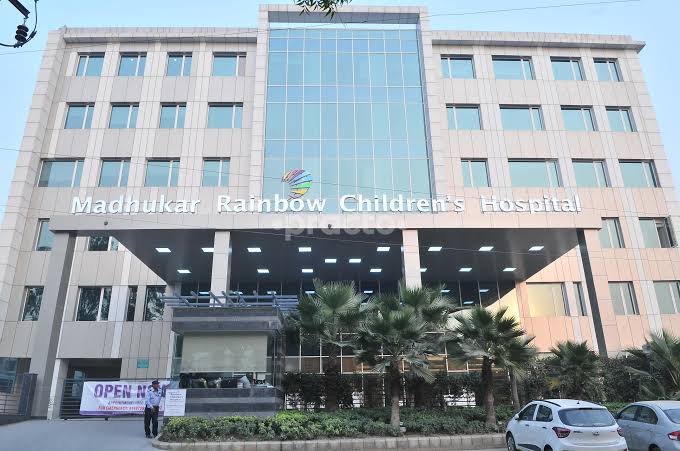
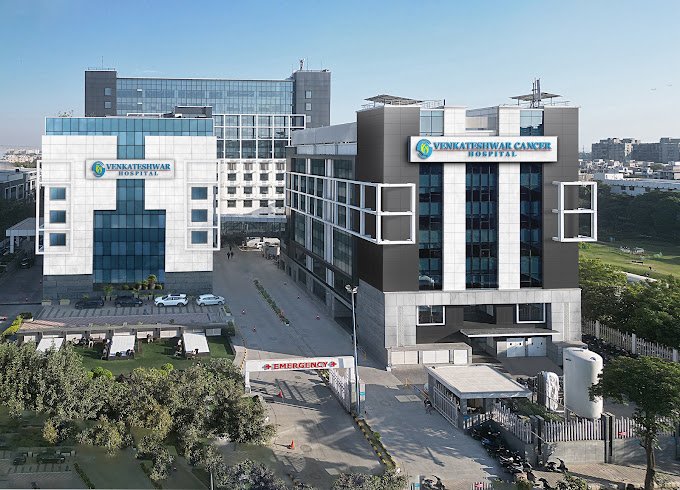
Top Hospitals
Location
New Delhi
Established in
2017
Number of beds
130+
FC-29 5, Geetanjali Marg, near Malviya Nagar, New Delhi
- Multi-speciality
Nearest Metro Station
Malviya Nagar Metro Station
Nearest Airport
Indira Gandhi International Airport
Location
New Delhi
Established in
2016
Number of beds
325+
Sector 12 Rd, Sector 18, Sector 18A Dwarka New Delhi
- Multi-speciality
Nearest Metro Station
Dwarka Sector 12 Metro Station
Nearest Airport
Indira Gandhi International Airport
Location
New Delhi
Established in
2017
Number of beds
300+
Hospital Plot, Road No. 201, Dwarka Sector-3, Dwarka, New Delhi
- Multi-speciality
Nearest Metro Station
Dwarka Sector 12 Metro Station
Nearest Airport
Indira Gandhi International Airport
Frequently Asked Questions (FAQs)
What is knee replacement surgery in India?
Knee replacement (knee arthroplasty) resurfaces damaged joint surfaces with implants to reduce pain and restore mobility when arthritis or injury has destroyed the cartilage. Indian orthopaedic centres perform total knee replacement, partial replacement, and robotic-assisted techniques.
See the knee replacement guide and related cost information where applicable. Mycure Pathway can help match hospitals and plan travel.
For implant options, written estimates, and travel planning, contact Mycure Pathway. See also the knee replacement guide.
How much does knee replacement cost in India?
Knee replacement in India is typically far less than $30,000–$50,000+ common in many Western countries for a single knee, with packages often including the implant, hospital stay, and standard physiotherapy sessions. Robotic-assisted surgery and premium implant brands may cost more.
For procedure-specific ranges, use the cost pages linked from your treatment plan, or request a personalised estimate via Mycure Pathway.
For implant options, written estimates, and travel planning, contact Mycure Pathway. See also the knee replacement guide.
Am I too old or too young for knee replacement?
Age alone rarely decides eligibility — bone quality, overall health, infection status, and how limited daily life is matter more. Younger, very active patients may be advised toward partial replacement or delaying surgery if cartilage can still be preserved.
An orthopaedic surgeon reviews X-rays and medical history. Share imaging via Mycure Pathway for an initial hospital opinion before travel.
For implant options, written estimates, and travel planning, contact Mycure Pathway. See also the knee replacement guide.
What types of knee implants are used in India?
Indian hospitals use established international implant systems for total and partial knee replacement, including designs used widely in the USA and Europe. Your surgeon selects implant type based on bone anatomy, ligament stability, and activity level.
Ask which implant brand and design are planned for your case when you contact Mycure Pathway.
For implant options, written estimates, and travel planning, contact Mycure Pathway. See also the knee replacement guide.
How long does knee replacement surgery take?
Uncomplicated single-knee replacement often takes roughly one to two hours in the operating room, plus anaesthesia and recovery time. Hospital stay is commonly a few days including early mobilisation with physiotherapy.
Total time in India also includes pre-op assessment and post-discharge rehab planning. Mycure Pathway can help sequence appointments and follow-up.
For implant options, written estimates, and travel planning, contact Mycure Pathway. See also the knee replacement guide.
What is recovery like after knee replacement?
Patients usually begin walking with assistance soon after surgery. Most regain functional daily activity over several weeks to a few months, with formal physiotherapy. Swelling and stiffness improve gradually; full sports-level recovery varies by age and pre-op condition.
Long-haul flights are timed with the surgical team so DVT risk and wound healing are managed. Mycure Pathway can align rehab and departure timelines.
For implant options, written estimates, and travel planning, contact Mycure Pathway. See also the knee replacement guide.
How long does a knee implant last?
Modern knee implants often function well for 15–20 years or longer, depending on activity level, weight, bone quality, and alignment. Implants are not lifetime devices; some patients may need revision surgery later.
Staying active within recommended limits, maintaining healthy weight, and attending follow-up help implant longevity.
For implant options, written estimates, and travel planning, contact Mycure Pathway. See also the knee replacement guide.
Is robotic knee replacement available in India?
Yes. Selected orthopaedic centres offer robotic-assisted total knee replacement for more precise implant alignment in suitable patients. Robotic systems assist the surgeon; they do not replace clinical judgement.
If you specifically want a robotic option, mention it via Mycure Pathway so matching hospitals are shortlisted.
For implant options, written estimates, and travel planning, contact Mycure Pathway. See also the knee replacement guide.
Can international patients travel for knee replacement in India?
Yes. Many hospitals run international patient services — visa support, airport pickup, interpreters, and rehabilitation coordination. English is widely spoken in orthopaedic units.
Mycure Pathway helps match surgeons, collect written estimates, and sequence admission with travel. Start via the contact page.
For implant options, written estimates, and travel planning, contact Mycure Pathway. See also the knee replacement guide.
What risks are associated with knee replacement?
Risks include infection, blood clots, stiffness, implant loosening, nerve or vessel injury, and rarely, serious medical complications. Risk varies with age, diabetes, obesity, and overall health. Modern perioperative protocols reduce but do not eliminate risk.
Ask your surgeon for estimates matched to your health profile before booking travel.
For implant options, written estimates, and travel planning, contact Mycure Pathway. See also the knee replacement guide.
How do I plan knee replacement with Mycure Pathway?
Send X-rays, medical history, and medication lists through the contact page. The team helps match orthopaedic hospitals, gathers written cost estimates, and coordinates appointments, admission, and rehabilitation planning with travel logistics.
For implant options, written estimates, and travel planning, contact Mycure Pathway. See also the knee replacement guide.
Conclusion
Knee Replacement in India combines affordability, advanced surgical technology, and highly skilled doctors. For international patients from Dubai, Arab countries, and Africa, India offers a trusted and cost-effective solution to regain mobility and live a pain-free life.
If you or a family member is struggling with severe knee pain, MyCurePathway connects you with the best hospitals, expert orthopedic surgeons, and international patient care services in India.