CABG / Bypass Surgery in India – Advanced Heart Care You Can Trust
Heart blockages can severely affect blood flow, leading to chest pain, fatigue, or even a heart attack. When medication or angioplasty is not enough, CABG / Bypass Surgery in India offers a safe and long-term solution to restore proper blood circulation to the heart.
CABG, or Coronary Artery Bypass Grafting, is a procedure where blocked arteries are bypassed using healthy blood vessels taken from other parts of the body. Over the years, India has emerged as a global hub for CABG / Bypass Surgery, offering advanced techniques, highly skilled cardiac surgeons, and affordable costs — making it a preferred choice for patients from Dubai, Arab countries, and Africa.
Related pages: Coronary Artery Bypass Graft, Bypass Surgery Cost, Cardiology Treatment in India, and Cardiac Surgeon in India.
What is CABG / Bypass Surgery?
CABG / Bypass Surgery is performed to improve blood flow to the heart muscle when coronary arteries become narrowed or blocked by fatty deposits (plaques). During surgery, the surgeon uses arteries or veins from the chest, arms, or legs to create new pathways (bypasses) around the blocked arteries, ensuring oxygen-rich blood reaches the heart efficiently.
This surgery can relieve chest pain, improve breathing and energy levels, and significantly reduce the risk of future heart attacks.
In short: CABG restores blood flow to the heart by placing a graft around blocked coronary arteries. It is recommended for severe multi-vessel disease or when angioplasty is not suitable. Indian hospitals offer on-pump, off-pump, and minimally invasive options using international-standard devices.
CABG / Bypass Surgery in India
Top Doctors

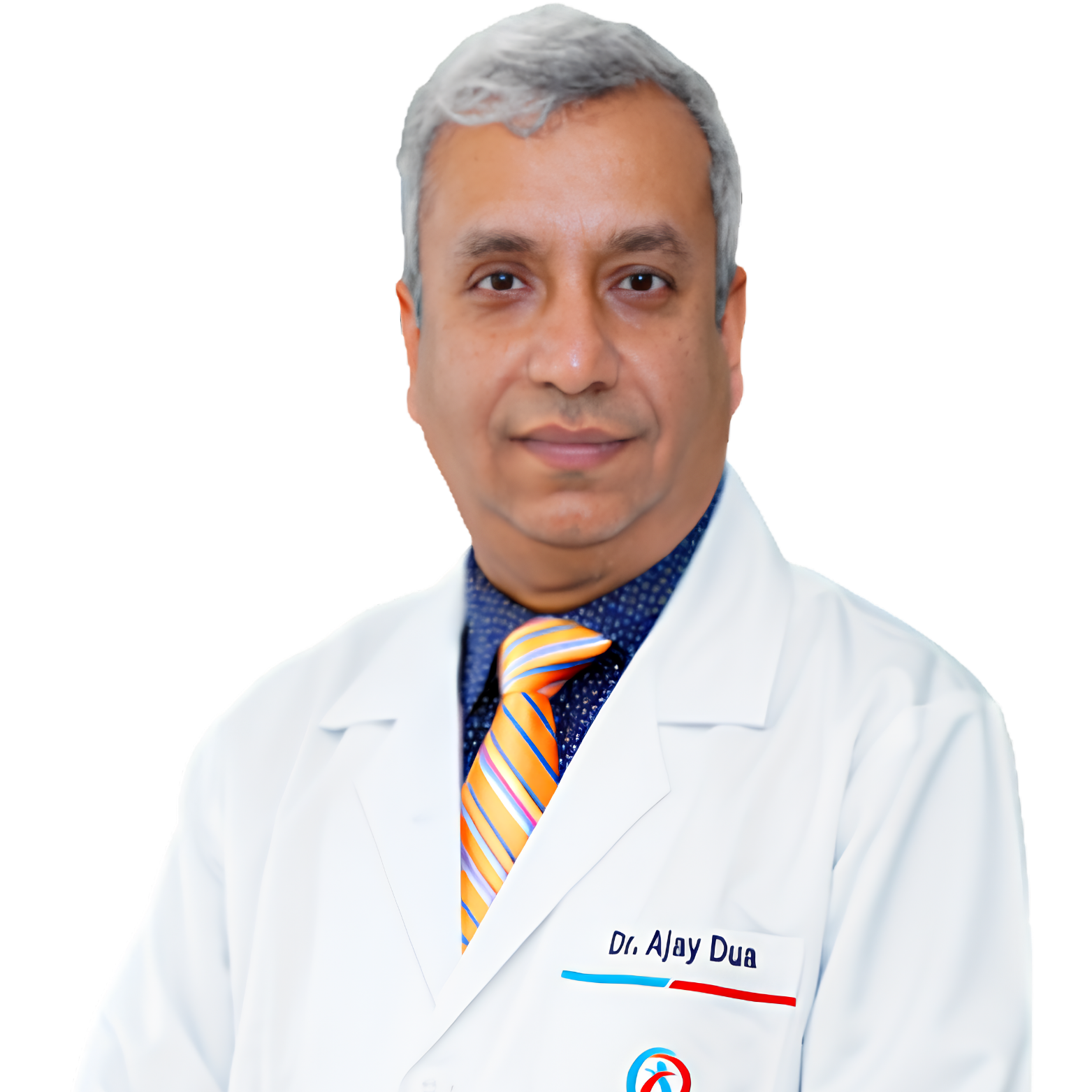
Dr. Ajay DUA
Cardiology / Interventional Cardiology
Director & Unit Head
MBBS, DNB, DNB, FNB, FSCAI, PGDHHM
25+ Years of
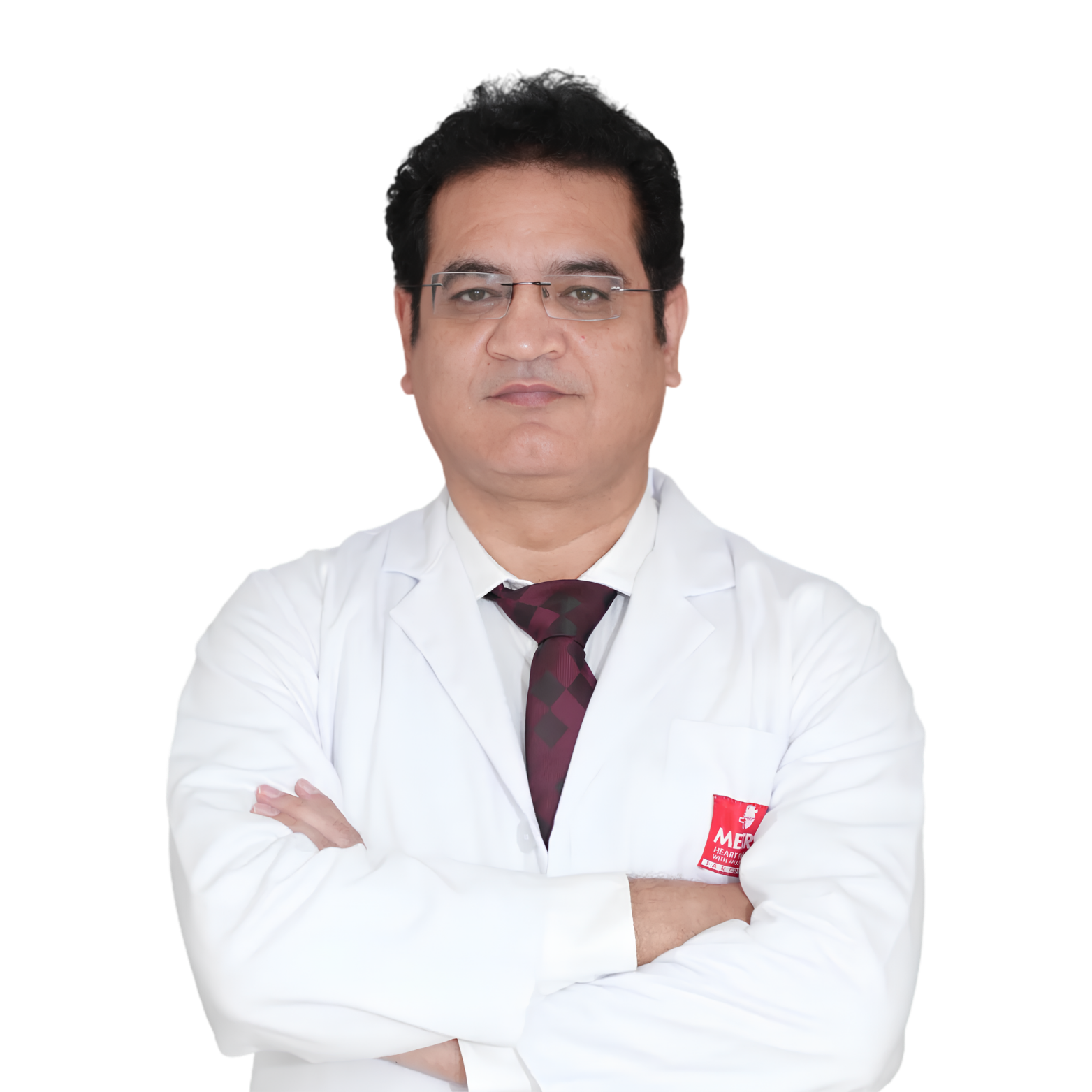
Dr. Shailendra Lalwani
Liver Transplant & HPB Surgery
Head of Department Liver Transplant & HPB Surgery
MBBS, MS.
20+ Years
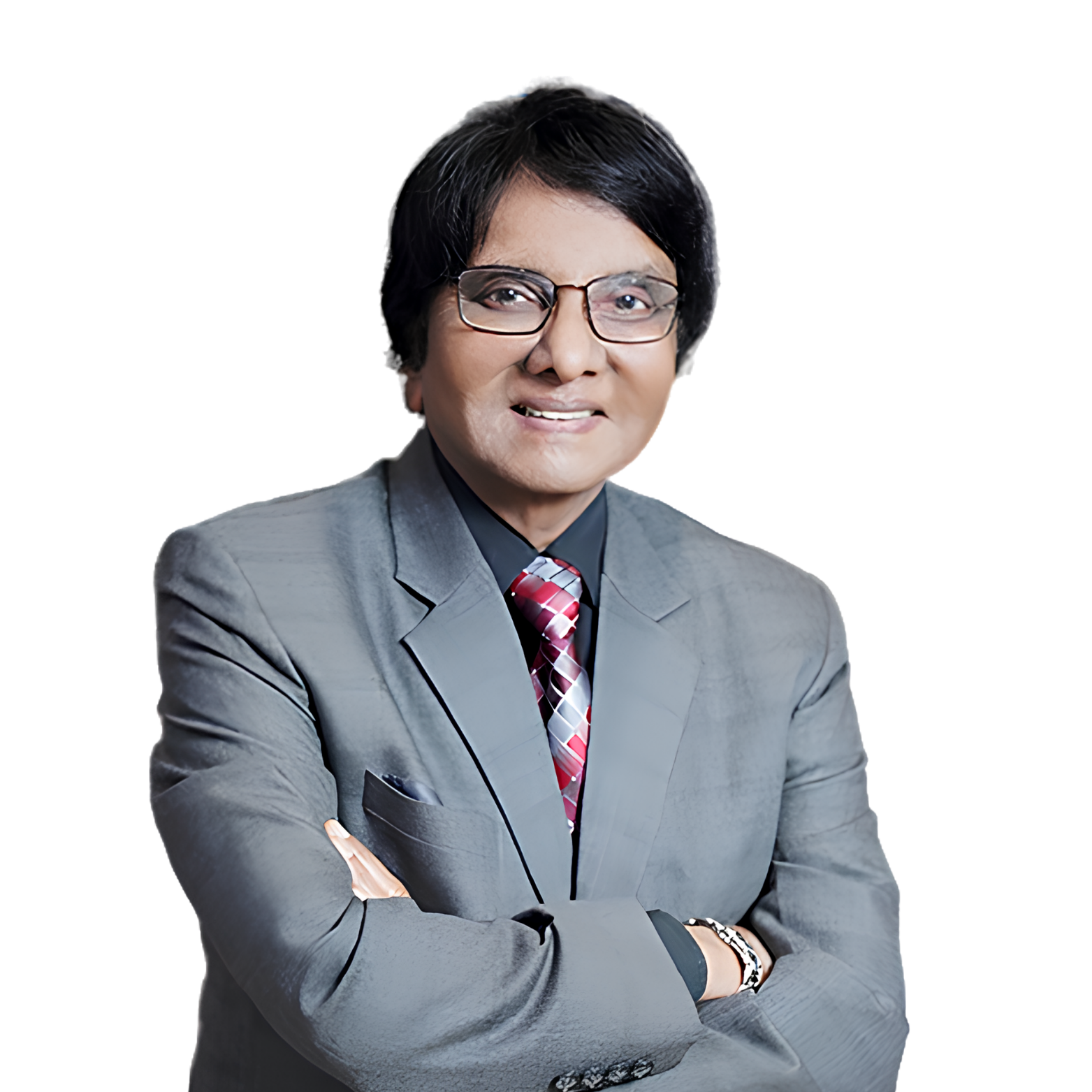
Dr. (Prof) Purshotam LAL
Cardiology
Chairman & Director of Interventional Cardiology
MBBS, MD.
40+ Years of Experience
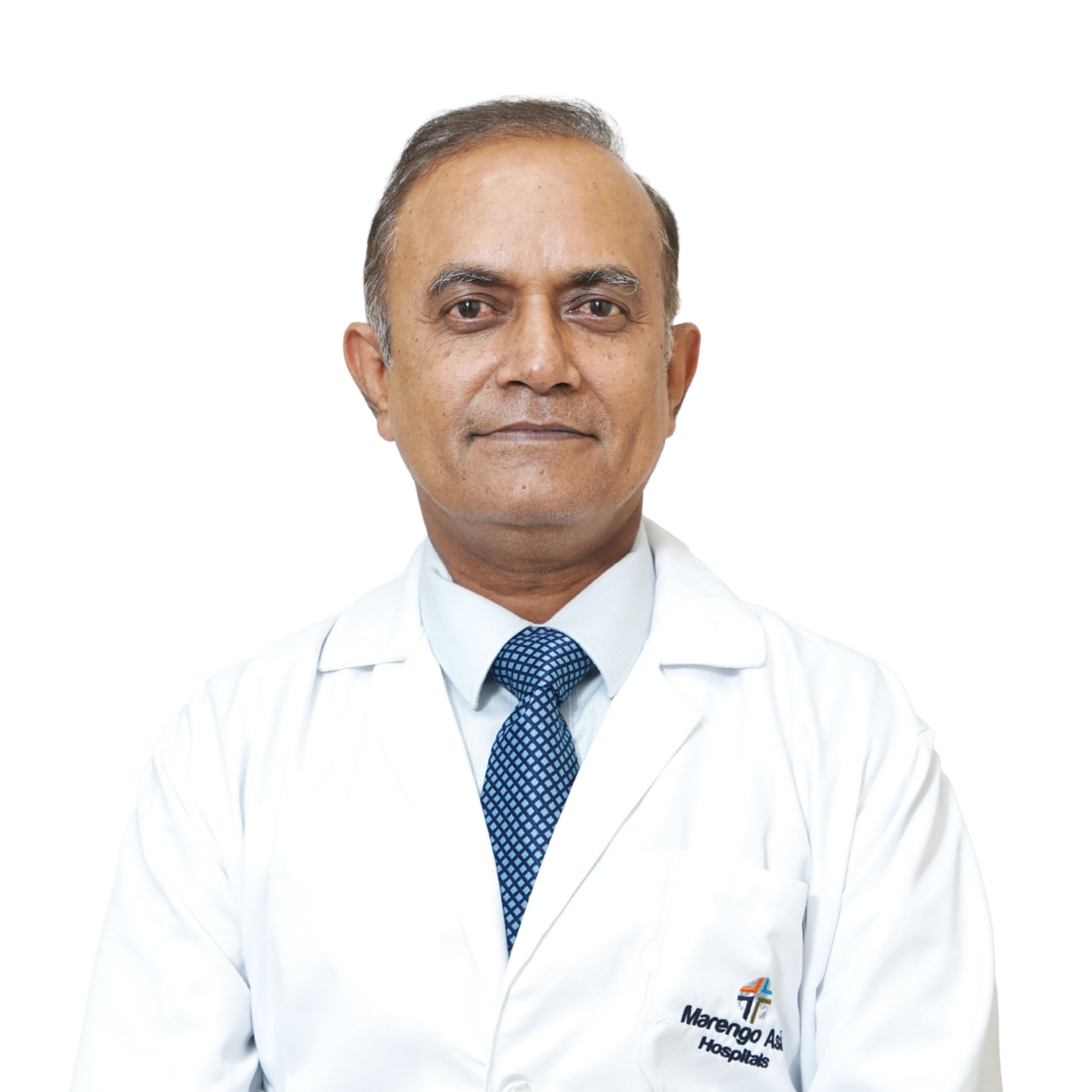
Dr. (Brig.) Sameer Kumar, SM
Cardiac Sciences, Cardiac Surgery, Heart Transplant
Clinical Director & HOD.
MBBS, MS, MCh.
35+ Years of Experience.

Dr. Devananda N.S
Cardiothoracic and Vascular Surgery
Head of Department & Consultant
MBBS, MS, MCh
28 Years of Experience.

Dr. Y K Mishra
Cardiovascular & Thoracic Surgery
Chief of Clinical, Head of Cardiac Sciences
MBBS, MS, Ph.D.
30 Years of

Dr. Bipin Kumar Dubey
Cardiology & Cardiac Surgery
Head of Department and Principal Director
MBBS, MD, DM
39 Years of Experience.

Dr. Anoop K Ganjoo
Cardiothoracic & Vascular Surgery
Senior Consultant
MBBS, MS, MCh, DNB, FIACS
33 Years of Experience.
Why CABG is Needed
Your cardiologist may recommend CABG if you have:Â
- Severe coronary artery blockages in multiple arteries.
- Failed angioplasty or stent placement.
- Recurrent chest pain or angina.
- Reduced pumping efficiency of the heart (low ejection fraction).
- Diabetes with multivessel heart disease.
- Previous heart attack or unstable heart condition.
CABG can be life-saving in such cases and often provides long-term relief compared to temporary stent procedures.
Types of CABG / Bypass Surgery in India
Doctors recommend the right type of constipation/bypass surgery based on the patient’s condition, level of blockage and overall health.
Type of Surgery | Description | Best For |
On-Pump CABG | Performed using a heart-lung machine that takes over heart function during surgery. | Complex cases with multiple blockages. |
Off-Pump CABG (Beating Heart Surgery) | Performed while the heart continues to beat, avoiding use of a heart-lung machine. | Elderly or high-risk patients. |
Minimally Invasive CABG | Done through small incisions between ribs instead of opening the chest bone. | Patients needing faster recovery and minimal scarring. |
Robotic-Assisted CABG | Uses robotic arms for precise graft placement with minimal trauma. | Younger or working patients seeking quick recovery. |
Redo or Revision CABG | Repeat surgery for patients with previous bypass graft failure. | Long-term post-CABG cases needing revascularization. |
How CABG / Bypass Surgery is Performed
- Anesthesia & Incision: The patient is placed under general anesthesia. A small incision is made either in the center of the chest (traditional) or between ribs (minimally invasive).
- Graft Harvesting: Healthy blood vessels are taken from the chest (internal mammary artery), leg (saphenous vein), or arm (radial artery).
- Bypass Creation: The surgeon connects the new grafts to the blocked arteries, redirecting blood flow.
- Closure & Recovery: Once bypasses are complete, the incision is closed, and the patient is shifted to the ICU for observation.
The entire procedure usually takes 3–5 hours, depending on the complexity and number of grafts.
Grafts and Devices Used in CABG / Bypass Surgery
Indian cardiac centers use globally approved grafts and surgical devices to ensure precision, durability, and patient safety.
Types of Grafts Used
- Internal Mammary Artery (IMA): Long-lasting, ideal for main coronary arteries.
- Saphenous Vein Graft (SVG): Taken from the leg, used for multiple bypasses.
- Radial Artery Graft: Taken from the arm, known for long-term performance.
Trusted International Brands in India
- Medtronic (USA): Heart stabilizers, grafting tools, and robotic systems.
- Terumo Cardiovascular (Japan/USA): Perfusion machines and cannulas.
- Edwards Lifesciences (USA): Connectors and valve conduits.
- Maquet – Getinge Group (Germany): Surgical stabilizers and oxygenators.
- Abbott (USA): Monitoring and perfusion devices.Â
All these brands are also used in top hospitals across the USA, Europe, and the Middle East, ensuring global standards of cardiac care.Â
Benefits of CABG / Bypass Surgery in India
- Relief from chronic chest pain (angina).
- Reduced risk of heart attacks and sudden cardiac death.
- Improved energy levels and physical stamina.
- Better oxygen supply and heart efficiency.
- Affordable cost compared to Western countries.
- 95–98% success rate at India’s top cardiac hospitals.Â
Why International Patients Choose CABG / Bypass Surgery in India
For many patients from Dubai, Arab countries, and Africa, CABG / Bypass Surgery in India offers the best blend of medical expertise and affordability.
- Affordable Packages: CABG surgery in India costs between $5,500–$8,000, compared to $30,000–$60,000 abroad.
- Globally Trained Surgeons: Most Indian cardiac surgeons hold international fellowships and certifications.
- Modern Infrastructure: NABH/JCI-accredited hospitals with advanced ICU and hybrid ORs.
- Quick Scheduling: No long waiting lists, urgent surgeries can be arranged in days.
- International Assistance: Hospitals provide visa help, translators, airport transfers, and dietary support.
In short: International patients choose bypass surgery in India for experienced surgeons, JCI/NABH-accredited hospitals, advanced technology, and costs significantly lower than Western countries — supported by coordinated travel and follow-up care.
Recovery After CABG / Bypass Surgery
- Hospital Stay: 5–7 days after surgery in a cardiac ICU.Â
- First 2 Weeks: Focus on breathing exercises, wound healing, and rest.
- 1–3 Months: Gradual return to normal activities with physiotherapy support.
- 6 Months: Most patients regain full strength and heart function.
- 1 Year: Lifestyle changes and regular checkups help ensure long-term success.
Cardiac rehabilitation programs in India include physiotherapy, diet guidance, medication monitoring, and stress management to help patients fully recover and prevent future complications.
In short: Recovery after CABG typically involves 5–7 days in hospital including ICU, and 6–12 weeks for full recovery. Cardiac rehabilitation is strongly recommended for long-term graft patency.
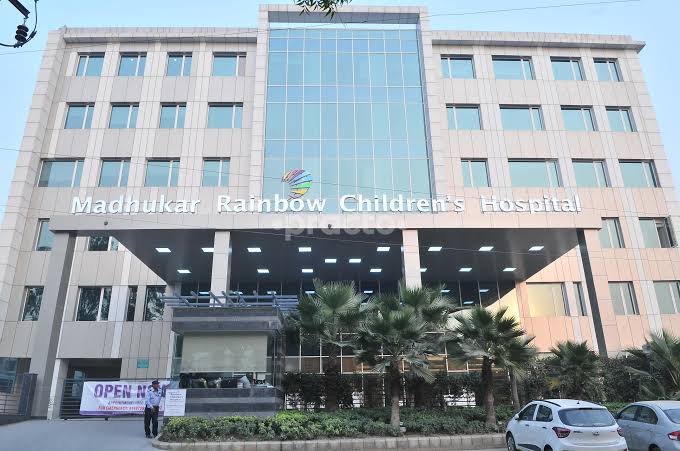
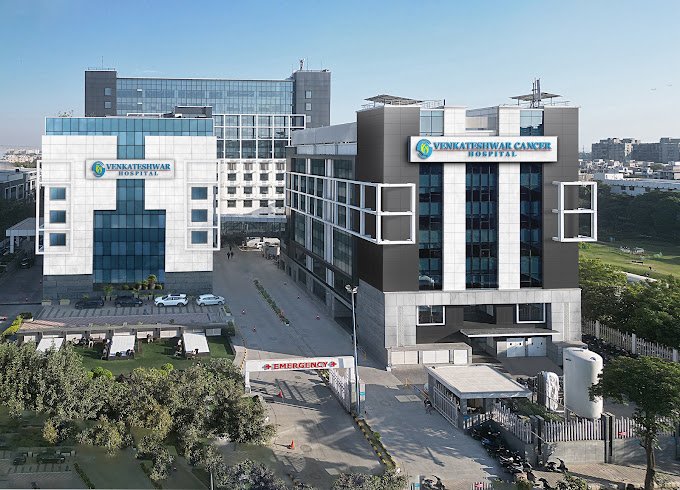
Top Hospitals
Location
New Delhi
Established in
2017
Number of beds
130+
FC-29 5, Geetanjali Marg, near Malviya Nagar, New Delhi
- Multi-speciality
Nearest Metro Station
Malviya Nagar Metro Station
Nearest Airport
Indira Gandhi International Airport
Location
New Delhi
Established in
2016
Number of beds
325+
Sector 12 Rd, Sector 18, Sector 18A Dwarka New Delhi
- Multi-speciality
Nearest Metro Station
Dwarka Sector 12 Metro Station
Nearest Airport
Indira Gandhi International Airport
Location
New Delhi
Established in
2017
Number of beds
300+
Hospital Plot, Road No. 201, Dwarka Sector-3, Dwarka, New Delhi
- Multi-speciality
Nearest Metro Station
Dwarka Sector 12 Metro Station
Nearest Airport
Indira Gandhi International Airport
Frequently Asked Questions (FAQs)
What is CABG or bypass surgery in India?
Coronary artery bypass grafting (CABG), often called bypass surgery, restores blood flow to the heart by using a healthy vessel to route blood around a blocked coronary artery. Indian cardiac centres perform on-pump, off-pump, minimally invasive, and robotic CABG with international-standard devices.
Patients from the Middle East and Africa often choose India for experienced surgical teams and transparent packages. Mycure Pathway coordinates hospital matching, appointments, and travel logistics. See also the full CABG guide and bypass surgery cost page.
How much does bypass surgery cost in India?
Bypass surgery in India is typically far less than $40,000+ common in the USA for comparable care. Final cost depends on graft count (single to multi-vessel), on-pump versus off-pump or robotic technique, hospital brand, ICU needs, and any advanced devices.
Published ranges are on the bypass surgery cost page. For a written estimate matched to your angiogram, contact Mycure Pathway.
Written cost ranges are on the bypass surgery cost page. For hospital matching and a written estimate based on your angiogram, contact Mycure Pathway before booking travel.
How is CABG different from angioplasty and stents?
Angioplasty opens a narrowed artery from the inside with a balloon and stent. CABG creates a new pathway around the blockage using a graft. Stents often suit one or two focal blockages; CABG is often preferred for severe, long, or multi-vessel disease, or left main disease, because grafts can protect more heart muscle.
Your cardiologist decides from angiography and overall health. Share recent reports via Mycure Pathway for an initial hospital opinion before you travel.
How long does bypass surgery take and how long is the hospital stay?
Operation time varies with graft count and technique; many CABG cases take several hours in the operating room. Recovery typically includes 24–48 hours in ICU and about 5–7 days total hospital stay in uncomplicated cases, then roughly 6–12 weeks before many patients resume normal daily activity.
Travel home is usually planned only when wounds and the sternum are healing well. Mycure Pathway can help sequence follow-up before long-haul flights.
Written cost ranges are on the bypass surgery cost page. For hospital matching and a written estimate based on your angiogram, contact Mycure Pathway before booking travel.
What types of bypass surgery are available in India?
Options include on-pump CABG (heart-lung machine), off-pump beating-heart CABG, minimally invasive CABG with smaller incisions, and robotic-assisted CABG. Not every anatomy suits every approach — surgeons choose based on angiogram findings and medical fitness.
If you prefer a specific technique, mention it when you contact Mycure Pathway so matching hospitals are shortlisted.
Written cost ranges are on the bypass surgery cost page. For hospital matching and a written estimate based on your angiogram, contact Mycure Pathway before booking travel.
How long do bypass grafts last?
Internal mammary artery grafts often remain open 15–20 years or longer. Leg vein grafts typically last about 8–12 years, depending on blood flow and medical therapy. Durability depends on blood-pressure and cholesterol control, diabetes management, smoking status, and follow-up.
After surgery, patients usually continue antiplatelet and cholesterol-lowering medication as prescribed. Long-term success is as much about medical therapy and lifestyle as the operation itself.
Written cost ranges are on the bypass surgery cost page. For hospital matching and a written estimate based on your angiogram, contact Mycure Pathway before booking travel.
Who is a candidate for bypass surgery?
CABG is commonly considered when two or more coronary arteries are significantly blocked, the left main artery is narrowed, blockages are unsuitable for stenting, chest pain continues despite medication, or heart function is reduced with multi-vessel disease (especially with diabetes).
A cardiologist reviews angiography, imaging, labs, and overall fitness before recommending surgery. Upload reports through Mycure Pathway for an initial opinion before booking travel.
Written cost ranges are on the bypass surgery cost page. For hospital matching and a written estimate based on your angiogram, contact Mycure Pathway before booking travel.
Can international patients undergo bypass surgery in India?
Yes. Tertiary cardiac hospitals offer international desks for visa documentation, airport pickup, interpreters, and accommodation near campus. English is widely spoken in cardiac units. Mycure Pathway helps organise second opinions, cost transparency, appointment sequencing, and on-ground support.
Share reports and preferred dates via the contact page to start planning before tickets are booked.
Written cost ranges are on the bypass surgery cost page. For hospital matching and a written estimate based on your angiogram, contact Mycure Pathway before booking travel.
What risks are associated with bypass surgery?
Risks include bleeding, infection, stroke, heart rhythm problems, kidney issues, and rarely death. Risk varies with age, other illnesses, emergency versus planned surgery, and disease severity. On-pump surgery adds machine-related considerations; off-pump and minimally invasive approaches may reduce some risks in selected patients but are not risk-free.
Ask your surgeon for risk estimates matched to your angiogram — Mycure Pathway can help arrange that discussion before travel.
Written cost ranges are on the bypass surgery cost page. For hospital matching and a written estimate based on your angiogram, contact Mycure Pathway before booking travel.
What devices and brands are used for CABG in India?
Hospitals use internationally recognised brands such as Medtronic, Terumo, Edwards Lifesciences, and Maquet for related cardiac-surgery devices. Bypass conduits are the patient’s own vessels (internal mammary artery, radial artery, or leg veins).
Request a device list during planning if brand transparency matters to you. Mycure Pathway can ask the hospital before admission.
Written cost ranges are on the bypass surgery cost page. For hospital matching and a written estimate based on your angiogram, contact Mycure Pathway before booking travel.
How do I plan bypass surgery in India with Mycure Pathway?
Send angiogram, echocardiography, and medical reports through the contact page. The team helps match cardiac hospitals and surgeons, gathers written cost estimates, and sequences appointments, admission, and follow-up with travel timing and visa documents.
Read the CABG guide and cost page, then start a conversation with the team.
Written cost ranges are on the bypass surgery cost page. For hospital matching and a written estimate based on your angiogram, contact Mycure Pathway before booking travel.
Begin Your Heart Recovery Journey with MyCurePathway
Getting CABG / Bypass Surgery done in India means receiving the best cardiac care where safety, accuracy, and affordability all come together. With advanced technology and experienced surgeons, India has become a trusted destination for patients from Dubai and Africa.
Through MyCurePathway, international patients can connect directly with accredited hospitals, expert cardiac surgeons, and dedicated global support teams — ensuring a smooth journey from diagnosis to recovery.