
When it comes to navigating a diagnosis like prostate cancer, the biggest question most patients ask is simple: What are my treatment options, and what works best for me? The answer isn’t one-size-fits-all. The journey depends on factors like stage, age, overall health, and personal preferences. The good news? Modern medicine has evolved significantly, offering multiple effective paths—from surgery and radiation to advanced therapies that extend and improve quality of life.
In this guide, we’ll break down everything you need to know about prostate cancer treatment in a clear, medically friendly way. Whether you’re researching for yourself or supporting a loved one, this article will help you understand your choices with confidence.
Understanding Prostate Cancer and Treatment Goals
Before diving into treatment options, it’s essential to understand what doctors aim to achieve. Prostate cancer often grows slowly, especially in early stages, which means not every case requires immediate aggressive treatment. The primary goals usually revolve around eliminating cancer, preventing its spread, and maintaining quality of life.
According to recent data, survival outcomes are highly encouraging. For localised prostate cancer, the 5-year survival rate is nearly 100%, while even regional stages show survival rates above 95%. These statistics highlight how early detection and proper management can dramatically improve outcomes.
What Influences Treatment Decisions?
Doctors consider multiple factors before recommending a plan:
- Stage and grade of the cancer
- PSA (Prostate-Specific Antigen) levels
- Patient’s age and general health
- Risk of side effects
- Personal preferences
Platforms like Mycure Pathway play a valuable role here, helping patients access tailored treatment pathways and connect with specialists who guide them through personalised decisions.
Surgical Treatment: Removing the Cancer
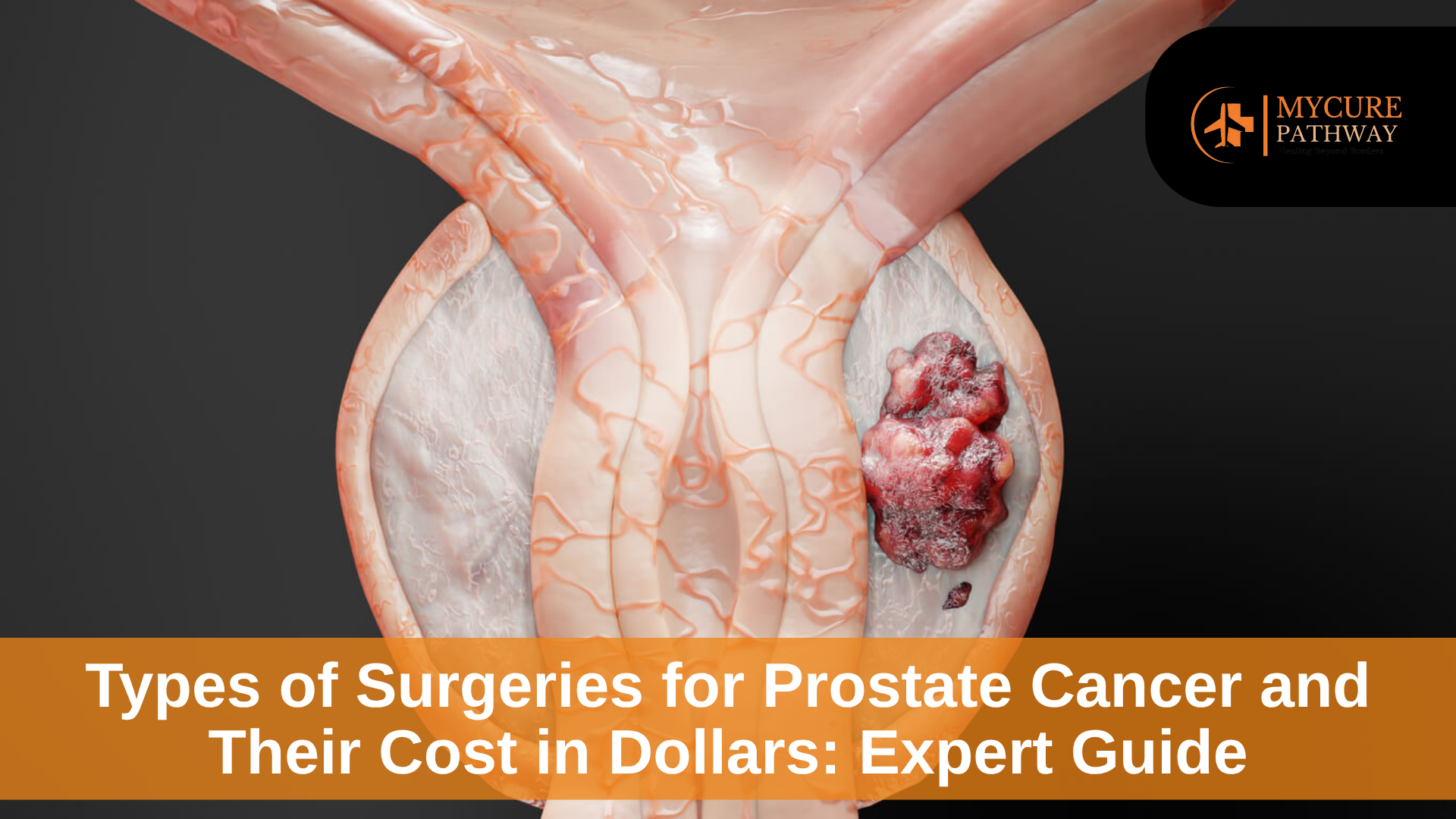
Surgery remains one of the most effective and commonly recommended prostate cancer treatment options, especially for patients with localised disease. The procedure typically involves removing the prostate gland entirely, a process known as a radical prostatectomy.
Types of Prostate Surgery
Modern surgical techniques have evolved significantly, offering safer and more precise options:
- Open prostatectomy (traditional method)
- Laparoscopic surgery
- Robotic-assisted surgery (most advanced and widely used today)
Robotic surgery, in particular, has transformed outcomes. It allows surgeons to operate with greater precision, reducing damage to surrounding tissues and improving recovery time.
Benefits and Considerations
Surgery offers a clear advantage: it aims to completely remove cancer. However, like any procedure, it comes with potential risks, including urinary incontinence and erectile dysfunction. The likelihood of these side effects depends on surgical expertise and patient-specific factors.
Mycure Pathway often helps patients find experienced surgeons and understand recovery expectations, ensuring they feel supported every step of the way.
Radiation Therapy: Targeting Cancer Cells Precisely
For many patients, radiation therapy for prostate cancer is a powerful alternative to surgery. It uses high-energy rays to destroy cancer cells without physically removing the prostate.
Types of Radiation Therapy
Radiation treatment is not a single approach—it includes several advanced methods:
- External Beam Radiation Therapy (EBRT)
- Intensity-Modulated Radiation Therapy (IMRT)
- Brachytherapy (internal radiation)
Each method has its own advantages. For example, brachytherapy delivers radiation directly inside the prostate, reducing exposure to surrounding tissues.
Effectiveness and Side Effects
Radiation therapy is highly effective, particularly in early and intermediate stages. It can also be used after surgery if cancer cells remain. Side effects may include fatigue, urinary issues, and bowel changes, but these are often manageable and temporary.
Many patients choose radiation because it avoids surgery, while still offering strong control over the disease.
Hormone Therapy: Slowing Cancer Growth
Another critical approach is hormone therapy for prostate cancer, also known as androgen deprivation therapy (ADT). This treatment works by reducing levels of male hormones (androgens), which fuel cancer growth.
How Hormone Therapy Works
Prostate cancer cells rely heavily on testosterone. By lowering hormone levels or blocking their effects, doctors can slow or even shrink tumours.
This therapy is often used:
- In advanced stages
- Alongside radiation
- When cancer recurs after initial treatment
Benefits and Limitations
Hormone therapy can significantly extend survival, especially in advanced cases. However, it is not typically curative on its own. Patients may experience side effects such as fatigue, weight gain, reduced libido, and bone thinning.
That said, newer drugs and treatment combinations are improving outcomes dramatically. Clinical advancements continue to push boundaries, offering better quality of life and longer survival.
Advanced and Emerging Therapies
The landscape of advanced prostate cancer treatment has evolved rapidly in recent years. Today, patients have access to innovative therapies that were unavailable just a decade ago.
Breakthrough Treatment Options
Some of the most promising modern therapies include:
- Immunotherapy (boosting the immune system to fight cancer)
- Targeted therapy (attacking specific cancer cell mechanisms)
- Chemotherapy (used in aggressive or metastatic cases)
- Radioligand therapy (a cutting-edge targeted radiation approach)
These treatments are particularly valuable for patients whose cancer has spread or become resistant to traditional therapies.
Real-World Impact
Recent advancements are improving survival outcomes even in late-stage cases. For metastatic prostate cancer, the 5-year survival rate is around 38%, but ongoing research and new drug combinations are steadily improving these figures.
Mycure Pathway plays a crucial role in helping patients explore these advanced options, especially when standard treatments are no longer sufficient.
Survival Rates and Long-Term Outlook
Understanding the prostate cancer survival rate can provide reassurance and clarity. While statistics cannot predict individual outcomes, they offer a helpful overview of what to expect.
Survival Statistics Overview
Here’s a simplified breakdown based on recent data:
| Stage of Cancer | 5-Year Survival Rate |
| Localised | Nearly 100% |
| Regional | 96%–100% |
| Distant | Around 38% |
These numbers highlight a key point: early detection saves lives. The earlier the diagnosis, the better the chances of successful treatment.
Factors That Affect Survival
Survival depends on several variables:
- Stage at diagnosis
- Tumour aggressiveness (Gleason score)
- Response to treatment
- Overall health
Thanks to improvements in screening, treatment, and patient education, outcomes continue to improve year after year.
Choosing the Right Treatment Path
Selecting the best treatment isn’t just a medical decision—it’s a personal one. Each option comes with its own benefits, risks, and lifestyle implications.
Questions to Ask Your Doctor
Before making a decision, consider asking:
- What are the risks and benefits of each option?
- How will treatment affect my daily life?
- What are the chances of recurrence?
- Are there newer or clinical trial options available?
Mycure Pathway and its academy resources can help patients understand these questions more deeply, offering educational support and guidance throughout the decision-making process.
Personalised Care Matters
No two patients are the same. A treatment that works perfectly for one person may not be ideal for another. That’s why personalised care—guided by experts and supported by platforms like Mycure Pathway—is so important.
Final Thoughts
Prostate cancer is one of the most manageable forms of cancer when detected early and treated appropriately. With a wide range of options—from surgery and radiation to hormone therapy and cutting-edge treatments—patients today have more hope than ever before.
The key lies in understanding your diagnosis, exploring all available options, and working closely with trusted healthcare providers. With the right guidance and support, navigating prostate cancer becomes less overwhelming and far more empowering.
FAQs
What is the most effective treatment for prostate cancer?
The effectiveness depends on the stage and individual factors. Surgery and radiation are highly effective for early-stage cancer, while advanced cases may require combined therapies.
Can prostate cancer be cured completely?
Yes, especially when detected early. Many patients with localised cancer achieve complete remission.
Is radiation better than surgery?
Neither is universally better. The choice depends on patient health, cancer stage, and personal preference.
How long can someone live with prostate cancer?
Many patients live long, healthy lives. Early-stage cases often have near-normal life expectancy.
What are the side effects of hormone therapy?
Common side effects include fatigue, weight gain, and reduced libido, but these can often be managed.
Where can I get guidance for treatment decisions?
Platforms like Mycure Pathway provide expert guidance, helping patients understand and choose the best treatment options.