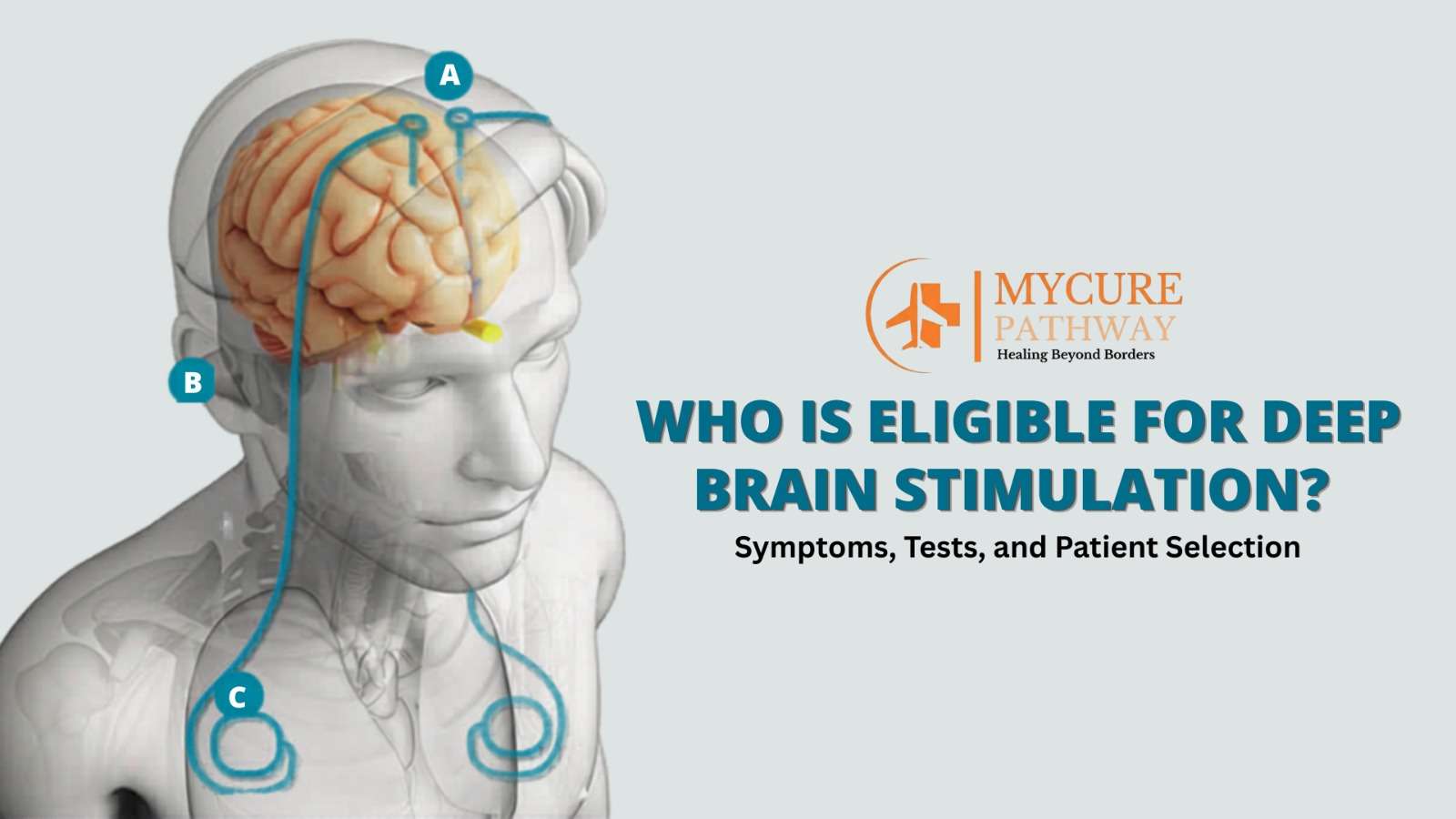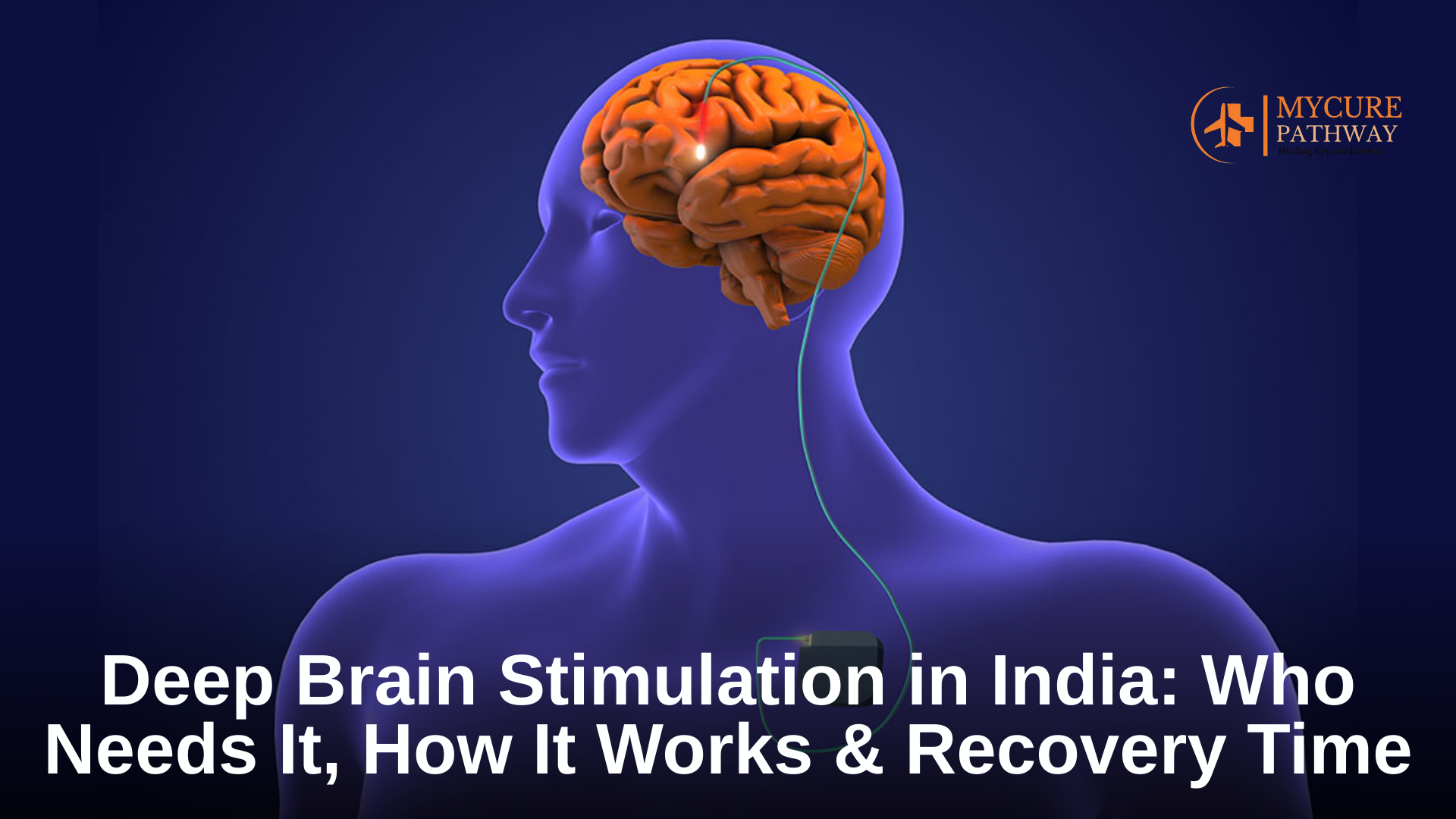
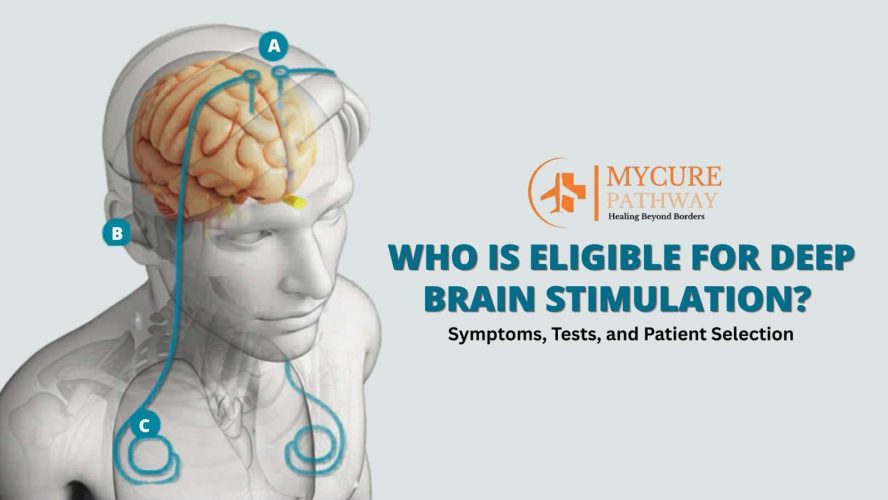
Deep Brain Stimulation (DBS) offers a proven option for patients living with movement-related neurological conditions that no longer respond well to medication. While the treatment can improve quality of life, not every patient qualifies for it. Understanding Deep Brain Stimulation Eligibility helps patients and families make informed decisions about the next steps in care.
At Mycurepathway, we guide patients through every stage—from diagnosis to advanced treatment options—ensuring they receive the right care based on their condition.
Understanding Deep Brain Stimulation Eligibility
Doctors evaluate several medical factors before recommending DBS. Deep brain stimulation eligibility depends on the type of neurological condition, symptom severity, and overall health of the patient.
Patients who meet deep brain stimulation eligibility criteria generally:
- Have a confirmed diagnosis of a movement-related neurological condition
- Experience symptoms that interfere with daily activities
- Show reduced effectiveness of medications over time
- Do not have severe cognitive or psychiatric conditions
- Are medically fit to undergo surgery
The goal is to ensure that patients who undergo DBS are likely to benefit from the procedure.
Conditions Commonly Treated with DBS
DBS is widely used for specific neurological conditions that affect movement and coordination.
Parkinson’s Disease
Patients with advanced symptoms may qualify based on parkinson’s surgery eligibility, especially when medications no longer provide consistent relief.
Essential Tremor
Severe tremors that disrupt daily life can be managed effectively with DBS.
Dystonia
DBS can help control involuntary muscle contractions associated with dystonia.
In all cases, doctors rely on a confirmed movement disorder diagnosis before evaluating further.
Symptoms That Indicate Possible DBS Eligibility
Certain symptoms suggest that a patient may benefit from DBS. These symptoms often persist despite medication or worsen over time.
Patients meeting deep brain stimulation eligibility may experience:
- Persistent tremors
- Muscle stiffness and rigidity
- Slowed movement
- Fluctuating response to medications
- Involuntary movements
When these symptoms affect independence and daily functioning, DBS becomes a viable neurological disorder treatment option.
Deep Brain Stimulation Eligibility: Key Medical Criteria
Doctors follow strict guidelines to assess deep brain stimulation eligibility. These criteria help ensure patient safety and effective outcomes.
Confirmed Diagnosis
A neurologist must clearly identify the underlying condition.
Response to Medication
Patients who respond to medication but experience side effects or reduced effectiveness are often suitable candidates.
Symptom Impact
Symptoms must significantly affect daily activities and quality of life.
Physical Health
Patients should be healthy enough to undergo surgery and recovery.
Mental Health Evaluation
Cognitive stability and emotional health are essential for successful outcomes.
Meeting these factors increases the chances of a successful DBS procedure.
DBS Evaluation Tests and Pre-Surgical Assessment
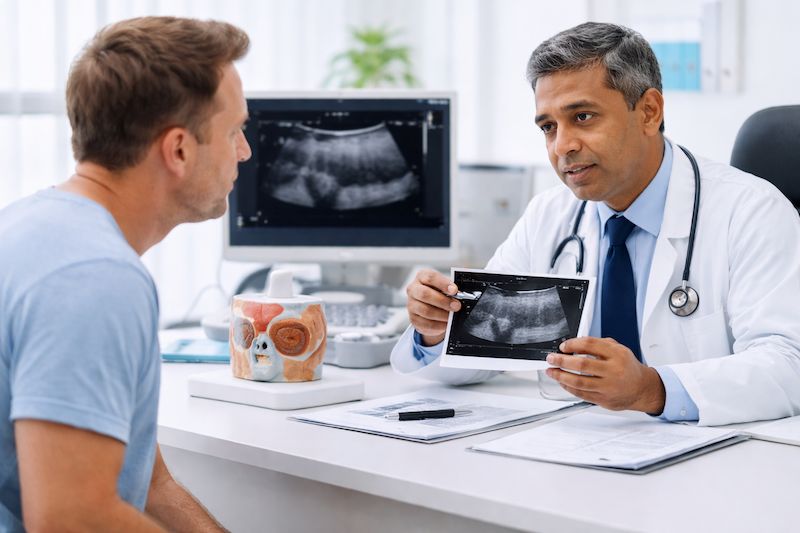
Before confirming deep brain stimulation eligibility, doctors conduct detailed DBS evaluation tests to assess suitability.
Neurological Assessment
Doctors evaluate motor skills, coordination, and reflexes.
Brain Imaging
MRI or CT scans help identify the exact target areas in the brain.
Medication Testing
Doctors compare symptom control with and without medication.
Psychological Evaluation
Mental health assessments ensure patients are prepared for surgery and recovery.
Cognitive Testing
Memory and thinking abilities are evaluated to rule out complications.
These tests provide a complete understanding of the patient’s condition.
Who Are the Ideal Candidates for DBS Surgery?
Doctors carefully identify candidates for DBS surgery based on multiple factors. Ideal candidates usually:
- Have experienced symptoms for several years
- Show clear improvement with medication initially
- Face medication-related side effects
- Do not have severe psychiatric conditions
- Are committed to follow-up care
Proper selection improves both safety and long-term results.
When DBS May Not Be Recommended
Not every patient qualifies for DBS, even if they have a neurological condition.
Patients may not meet deep brain stimulation eligibility if they:
- Have advanced dementia
- Suffer from untreated psychiatric disorders
- Have serious medical conditions that increase surgical risk
- Do not respond to medication at all
Doctors prioritize patient safety when making these decisions.
Benefits of Correct Patient Selection
Accurate evaluation ensures that DBS delivers the best possible results. When deep brain stimulation eligibility is properly assessed, patients may experience:
- Reduced tremors and stiffness
- Better control over movement
- Improved daily functioning
- Reduced dependence on medication
Outcomes vary, but careful selection significantly improves success rates.
How Mycurepathway Supports Your DBS Journey
At Mycurepathway, we understand that choosing a treatment like DBS can feel complex. Our role is to simplify the process and connect you with the right specialists.
We support patients by:
- Coordinating consultations with experienced neurologists and neurosurgeons
- Assisting with accurate diagnosis and evaluation
- Guiding patients through DBS evaluation tests
- Providing personalized treatment pathways
- Offering continued support before and after the procedure
Our patient-first approach ensures you receive care tailored to your condition.
Conclusion
Understanding deep brain stimulation eligibility helps patients take the right step toward managing complex neurological conditions. With proper evaluation, the right candidates can benefit from improved symptom control and better quality of life.
If you or a loved one is experiencing persistent symptoms despite medication, exploring DBS may be the next step. A detailed medical evaluation will determine whether this treatment is suitable for you.
Ready to Explore DBS Treatment Options?
If you want to understand whether you meet deep brain stimulation eligibility, expert guidance can make all the difference.
Connect with MyCure Pathway today to schedule a consultation with experienced specialists. Get a personalized evaluation, clear answers, and the right treatment plan tailored to your condition.
FAQs
1. Who qualifies for deep brain stimulation?
Patients with conditions like Parkinson’s disease, essential tremor, or dystonia who do not respond well to medication may qualify.
2. What tests are done before DBS surgery?
Doctors perform neurological exams, imaging tests, cognitive assessments, and medication response evaluations.
3. How do doctors decide candidates for DBS surgery?
They evaluate diagnosis, symptom severity, medication response, and overall health.
4. Is DBS a permanent solution?
DBS helps manage symptoms but does not cure the underlying condition.
5. How can I check my deep brain stimulation eligibility?
You can consult a specialist through Mycurepathway for a detailed evaluation and personalized guidance.