Brain cancer is one of the most feared health conditions. Yet, facts and myths often blur how patients and families view brain cancer care. Understanding brain cancer treatment in India is vital for making the right choices at every step. This article separates myths from medical reality, highlights available options, and answers key questions many people search for online.
What Is Brain Cancer?
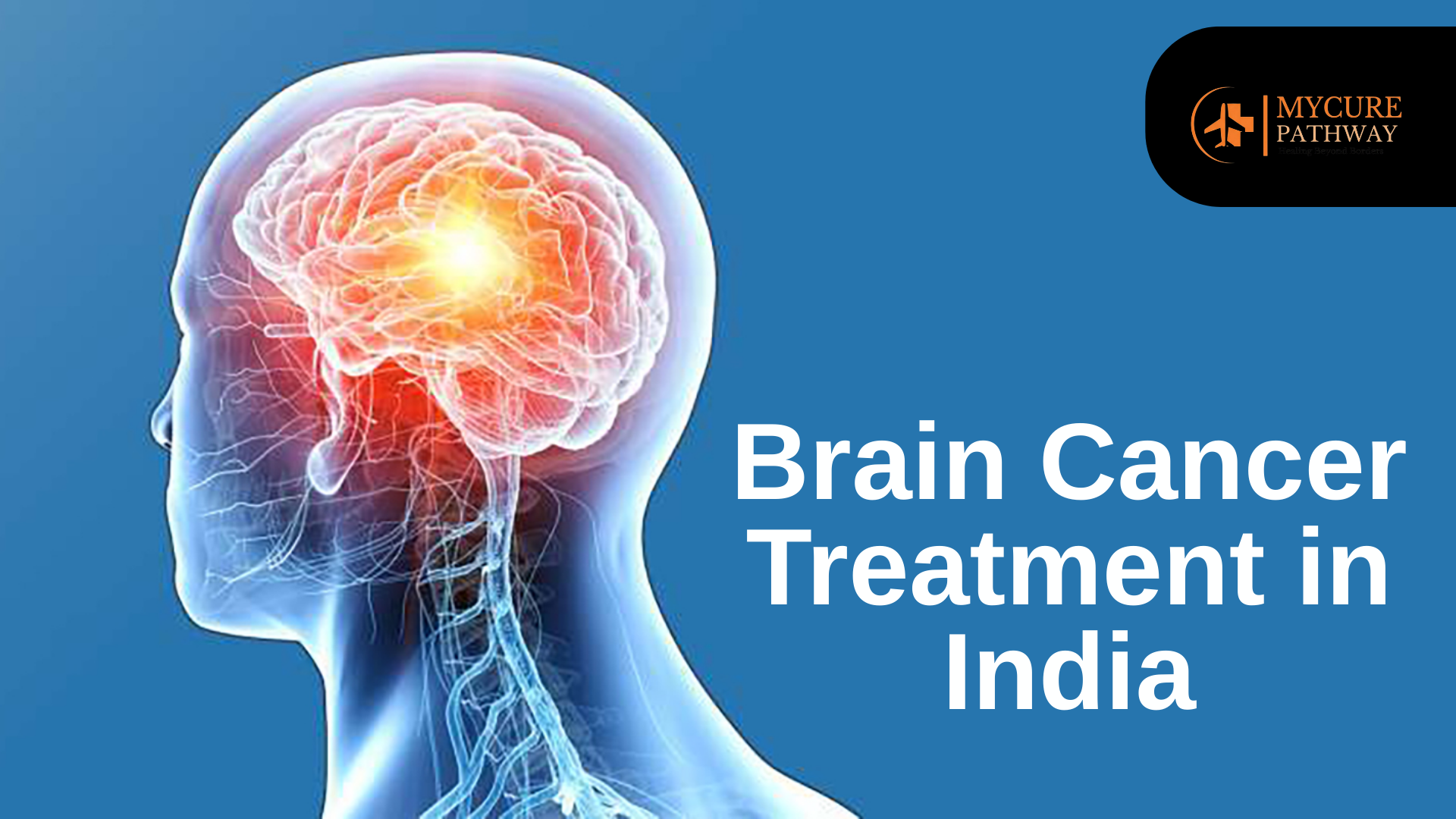
Brain cancer occurs when abnormal cells grow in the brain or its surrounding tissues. These tumors can be primary (starting in the brain) or secondary (spreading from other organs). Symptoms may include headaches, seizures, changes in speech or vision, and weakness. Early detection and accurate diagnosis are essential to plan the best course of brain cancer treatment in India.
Common Myths vs. Medical Facts
Many misconceptions exist around brain tumors and their treatment. Knowing the truth can reduce fear, prevent delays, and support better care.
Myth 1: Brain Tumors Always Cause Immediate Severe Symptoms
Fact: Not all brain tumors show dramatic symptoms at first. Mild headaches, slight vision changes, or balance issues may occur slowly. Only a medical evaluation can determine the seriousness.
Myth 2: Brain Cancer Is Always Fatal
Fact: Some types are aggressive, but many patients live long and fulfilling lives with proper treatment. Advances in brain cancer treatment options in India have improved survival and quality of life.
Myth 3: Surgery Is Too Risky and Should Be Avoided
Fact: Brain surgery, including brain cancer surgery in India, is performed by experienced neurosurgeons using precise imaging and monitoring tools. Risks exist but are managed carefully, and surgery often plays a key role in treatment.
Myth 4: Radiation and Chemotherapy Destroy Brain Function
Fact: Modern protocols aim to target cancer while preserving healthy tissue. Side effects can occur, but specialists work to minimize them and protect brain function.
Understanding these differences helps patients and caregivers focus on realistic expectations and effective planning.
Why Choose Brain Cancer Treatment in India?
India has emerged as a global destination for cancer care for several reasons:
- World-Class Medical Expertise: Highly trained neurosurgeons, radiation oncologists, and medical oncologists provide specialized care.
- Multidisciplinary Teams: Treatment planning often involves neurologists, radiologists, nurses, and rehabilitation specialists working together.
- Advanced Technology: Access to MRI, PET scans, neuro-navigation systems, and targeted radiation improves treatment precision.
- Cost-Effective Care: Compared to many Western countries, treatment costs are often more affordable without compromising quality.
- Comprehensive Support Services: From diagnosis to rehabilitation and follow-up, patients receive coordinated care.
These advantages contribute to making brain cancer treatment in India a reliable choice for both local and international patients.
Brain Cancer Treatment Options in India
Choosing the right treatment depends on tumor type, size, location, and patient health. Common Brain Cancer Treatment in India approaches include:
1. Surgery
Surgery is often the first and most important step when the tumor can be safely accessed. The goal is to remove as much tumor tissue as possible without damaging vital brain areas. Techniques such as awake craniotomy and neuro-navigation enhance precision.
2. Radiation Therapy
Radiation uses targeted energy to destroy cancer cells. It may follow surgery to eliminate remaining tumor cells or be used when surgery is not possible. Techniques like stereotactic radiosurgery deliver high doses precisely to the tumor.
3. Chemotherapy
Chemotherapy uses drugs to kill cancer cells or stop them from dividing. It may be given orally, intravenously, or directly into the spinal fluid depending on the case.
4. Targeted Therapy and Immunotherapy
These newer methods focus on specific cancer cell features or boost the body’s immune response to cancer. Not all patients may qualify, but they are increasingly part of the best treatment for brain cancer in India plans.
5. Rehabilitation and Supportive Care
Physical therapy, occupational therapy, speech therapy, and psychological support help patients recover function and cope with treatment effects. Holistic care improves quality of life.
Leading Brain Cancer Hospitals in India
India hosts several centers of excellence in neurology and oncology. Patients often seek care at renowned institutions known for expert multidisciplinary teams, advanced diagnostic tools, and comprehensive cancer programs.
Access to top specialists and dedicated facilities enhances patient outcomes and contributes to the strong reputation of brain cancer treatment in India.
What to Expect During Diagnosis and Treatment
The journey typically begins with a detailed clinical evaluation and diagnostic imaging (MRI and CT scans). Once a tumor is identified, specialists determine its type through biopsy or advanced imaging.
A personalized treatment plan is then created, considering:
- Tumor grade and type
- Patient age and overall health
- Location and size of the tumor
- Potential impact on brain function
Patients may receive one or a combination of surgery, radiation, and drug therapy. Regular follow-ups monitor progress, manage side effects, and adjust the treatment plan if needed.
Questions Patients Often Ask
Understanding the treatment journey helps reduce stress and builds confidence to make informed decisions.
1. Is brain cancer curable?
Some brain tumors can be completely removed or controlled for long periods with treatment. Prognosis depends on tumor type, stage, and response to therapy.
2. How long does treatment take?
Treatment duration varies. Surgery is a one-time procedure, but radiation and chemotherapy may continue for weeks or months. Follow-up and rehabilitation may extend beyond active treatment.
3. Will treatment affect memory or thinking?
Some treatments can impact cognitive functions, but specialists balance risks and benefits. Rehabilitation and supportive care help improve daily functioning.
4. Can children be treated in India?
Yes, pediatric neuro-oncology teams treat brain tumors in children with age-appropriate protocols and specialized care.
5. Are second opinions recommended?
Getting a second opinion from another expert team is common and can confirm the best treatment path.
Empowering Patients With Truth
Separating myths from facts empowers patients and families to navigate brain cancer treatment in India with confidence. Access to expert care, multiple treatment options, advanced technology, and supportive services helps many patients achieve meaningful outcomes.
Every case is unique. A trusted medical team can guide you through realistic expectations, treatment choices, and long-term care. If you or a loved one faces a brain tumor diagnosis, seeking knowledgeable specialists and asking clear questions ensures that you are informed at every step.
Understanding the journey ahead helps you make the best decisions for health, comfort, and quality of life. Brain cancer treatment in India combines science, skill, and compassionate care to support your path forward.
If you are looking for the right treatment plan, expert doctors, or second opinion support, connect with Mycurepathway today to begin your care journey with clarity and confidence.
FAQs About Brain Cancer Treatment in India
Q1. What are the stages of brain cancer?
Brain tumors are graded by how abnormal the cells appear under a microscope. Grades I and II are slower growing, while III and IV are more aggressive. Accurate grading is essential for planning Brain Cancer Treatment in India.
Q2. How much does brain cancer treatment cost in India?
Costs depend on the hospital, type of treatment, and length of care. Treatment in India is generally more cost-effective compared to many other countries, and hospitals often offer transparent cost estimates.
Q3. How do I choose the best hospital for brain cancer care?
Look for hospitals with dedicated neuro-oncology teams, advanced imaging and radiation technology, and strong support services. Reviews, outcomes data, and specialist availability also guide decisions.
Q4. Are there clinical trials available in India?
Yes, some medical centers participate in clinical research. Ask your care team if suitable trials are available for your specific condition.